U.K. Opens Door to Foreign State Investment in Newspapers
The UK government, on May 15, 2025, announced a policy shift, allowing foreign state-owned funds to hold up to 15% of British newspapers.
Culture Secretary Lisa Nandy revealed the decision, aiming to bolster struggling media outlets while safeguarding press freedom. Financial pressures grip UK newspapers as digital platforms erode print revenues.
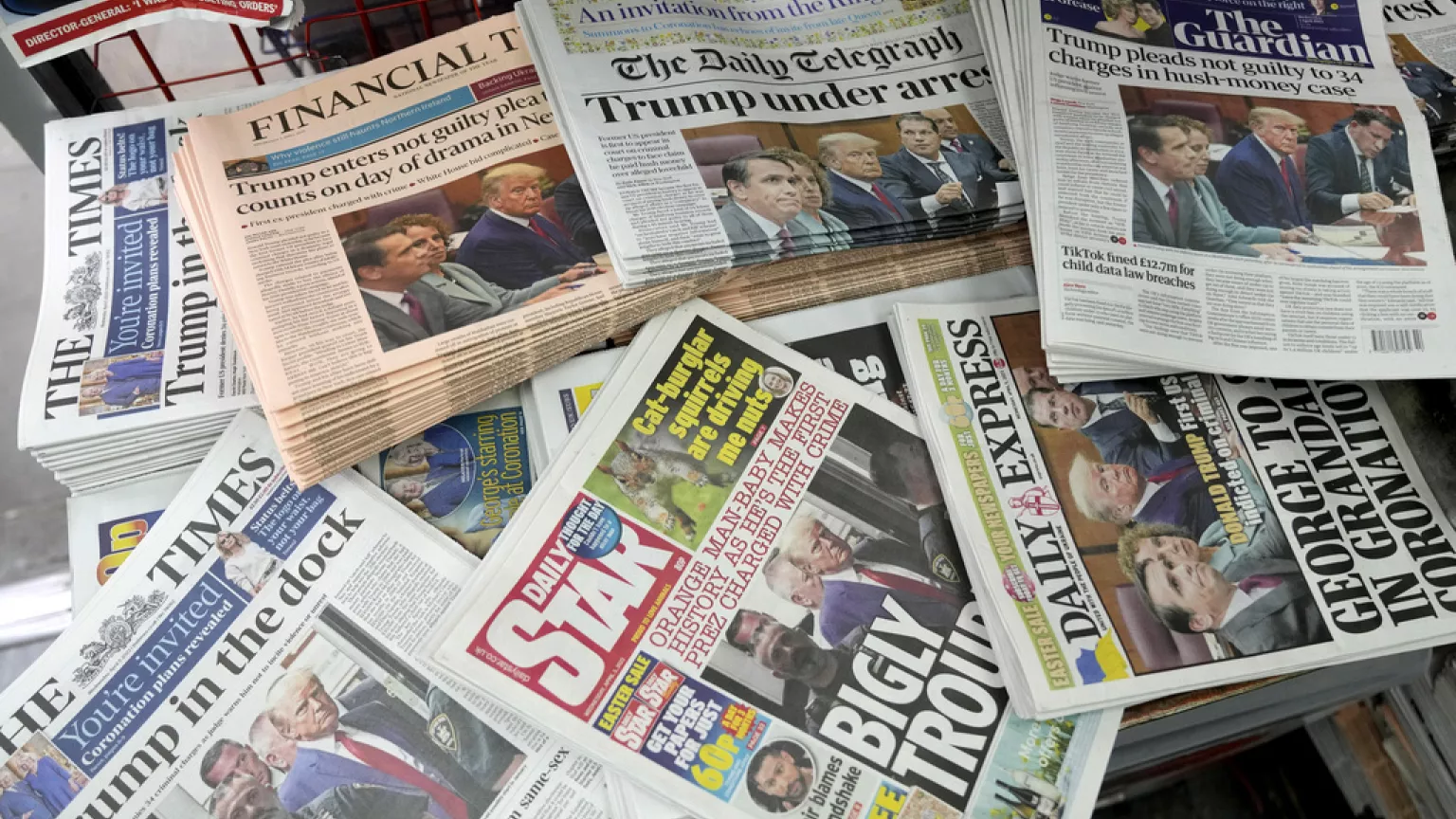
The Telegraph, burdened by £1.2 billion in debt, faced a takeover by Abu Dhabi-backed RedBird IMI in 2023. The Conservative government banned foreign state ownership in 2024, halting the deal.
Labour’s landslide victory in 2024, securing 410 parliamentary seats, shifted priorities. The new policy permits limited foreign investment, addressing media firms’s need for funds. Nandy emphasized that the 15% cap protects media pluralism.
The government strengthens oversight, expanding scrutiny to digital news and magazines. This resolves uncertainties around The Telegraph, still unsold after The Spectator fetched £100 million. RedBird IMI may now reconsider its bid.
Critics warn that even 15% stakes risk foreign influence. The UK, one of five nations without a written constitution, faces unique regulatory challenges. Concentrated media ownership, with three firms controlling 80% of newspapers, heightens concerns.
UK Media Policy Sparks Debate Over Press Freedom
The Conservative Party, led by Rishi Sunak, opposes the move, citing threats to press independence. They argue foreign states could sway editorial decisions, undermining democratic discourse. Labour counters that economic realities demand flexibility.
This policy reflects a mercantile approach, prioritizing industry survival over rigid protectionism. Media employs thousands and drives economic activity, yet local outlets lost 50% of jobs since 2005. Investment could stabilize the sector.
However, risks linger. Foreign funds, like those from the UAE or Qatar, may subtly shape narratives. The UK’s permissive stance contrasts with stricter US and Canadian regulations, sparking debate about long-term impacts.
The decision balances economic pragmatism with press freedom. As newspapers navigate digital disruption, this move aims to ensure viability. Yet, it raises questions about sovereignty in a globalized media landscape.
The policy awaits parliamentary approval, needing votes in both Houses. Its outcome will shape the UK’s media future, particularly for outlets like The Telegraph, still seeking buyers.
This article was produced by The Rio Times’ automated newsroom system. How we use AI · Report an error
Read More from The Rio Times