Chevron to More Than Double Venezuela Rigs, Testing Washington’s Oil Bet
Key Facts
This story is part of our coverage of the Venezuela US tensions. Who runs Venezuela, the US sanctions and oil deals, the Maduro case and the odds are in our dossier.
Washington is betting that US companies can revive Venezuela’s oil industry, which sits on the world’s largest reserves. Chevron, the one Western oil company already producing there at scale, now says it will more than double its drilling rigs.
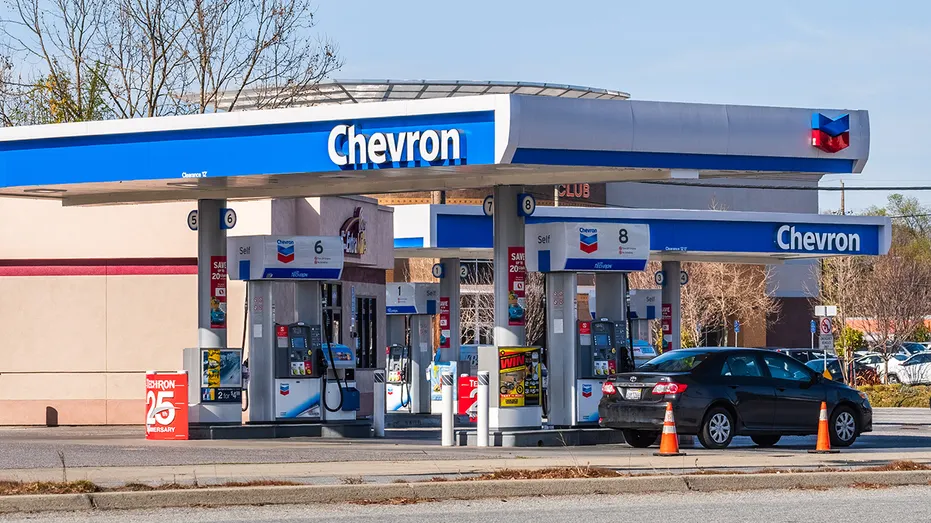
On 8 September, Chevron finance chief Eimear Bonner told a Barclays conference the company will more than double its Venezuelan rigs. She spoke five days after Chevron committed more than US$7 billion there over five years.
Why This Matters Beyond Venezuela
Venezuela holds about 303 billion barrels of proven crude reserves, the most of any country, according to OPEC data. It is also a founding member of OPEC, the group of major oil-exporting countries.
PDVSA, the state oil company, produced about 3.4 million barrels a day in 1998. Output later fell to roughly 800,000 barrels a day in the 2020s, a decline of more than 75%.
In 2007 the government required foreign partners to give PDVSA majority control of their projects. Exxon and ConocoPhillips refused and lost their operations, while Chevron accepted a minority stake and stayed.
US sanctions imposed from August 2017 restricted PDVSA’s access to credit markets. In November 2022 the US Treasury licensed Chevron to resume limited production through its joint ventures.
The politics shifted on 3 January 2026, when Nicolas Maduro was seized in a US military operation. His vice president, Delcy Rodriguez, was sworn in as interim president on 5 January.
On 2 September, she and US Energy Secretary Chris Wright signed an oil accord covering about 65 billion barrels. Chevron’s plans are therefore an early test of whether that US bet produces real barrels.
What Was Actually Said
Bonner is the finance chief of Chevron, the second-largest US oil company by revenue after ExxonMobil. Her words were that the company intends to increase the number of rigs, so more than double the number of rigs.
Note the phrasing, because it says more than double, not double. It also refers to drilling rigs, the machines that bore wells, rather than offshore platforms.
Those two words are not interchangeable, and several accounts have used the wrong one. No base figure and no target figure were given.
Nobody on the record has said how many rigs Chevron runs today. So we are not printing a from and to number, because it does not exist in any source we could reach.
The Money and the Production Target
Chevron announced its expanded position in Venezuela on 3 September. The commitment is more than US$7 billion over five years, running to 2031.
Current production is described as about 280,000 to 290,000 barrels a day. The target is roughly 600,000 barrels a day, with a plateau of 600,000 to 700,000 for five to ten years.
Total cost per barrel is put below US$20, which is what makes the arithmetic work at current prices. Bonner said the rigs would be added under new contract terms signed with Venezuela the week before.
Chevron’s own release names stakes in three joint ventures and three new asset assignments. It contains no rig count at all.
Signing Is Not the Same as Operating
The United States controls this through general licences issued by OFAC, the Treasury’s sanctions office. One of those licences allows companies to negotiate and sign contingent contracts, but not to perform them.
That means no drilling, no production, no services and no payments under that licence alone. A separate licence names the companies that may actually operate, and there are six of them.
They are BP, Chevron, Eni, Repsol, Shell and Etablissements Maurel et Prom, plus their subsidiaries. Everyone else holding a Venezuelan contract is holding a piece of paper they cannot yet act on.
Two Claims Circulating That Do Not Hold Up
One report says twenty-five companies have received market entry licences in Venezuela, which is not what happened. A Colombian newspaper counted more than twenty-five companies weighing entry, an interest tally rather than a register of licences.
An earlier count by another Colombian paper put the same number at seventeen, so it is a moving press estimate. A second claim links the oil company GeoPark to US$6.8 billion, a figure we could not find in any filing or release.
The actual deal is a share exchange, with GeoPark issuing 42.1 million shares for a Gilinski group holding company. The value cited is about US$160 million, and the result is that Gilinski takes majority control of GeoPark.
GeoPark’s own filing says closing depends on sanctions compliance. No US licence naming the company is on the public record.
What Happened to Petrodelta
Petrodelta is a joint venture between PDVSA and a private partner, with the state holding 60% and operating it. The private 40% was held by a Dutch vehicle belonging to the heirs of the late Venezuelan businessman Oswaldo Cisneros.
The oil ministry revoked that stake and its rights for alleged non-compliance. Proceedings opened in May and the revocation came in June.
The fields were transferred in July to Pacific Coast Energy Company, a firm based in Santa Barbara County, California. The six fields are in Monagas Sur and Delta Amacuro, not the Orinoco Belt, though several reports place them wrongly.
The family says it invested more than US$2 billion plus a signing bonus above US$165 million, and seeks about US$2 billion. The revocation decision has never been published, and the government has neither confirmed nor denied the transfer.
The Argument For and Against
Chevron’s case is commercial, resting on costs below US$20 a barrel and a long production plateau. Washington’s accord adds a strategic motive, including a right to buy a fifth of output at production cost.
Elliott Abrams, US special representative for Venezuela in the first Trump administration, published a critical column on 2 September. His argument is that the arrangement gives the government a financial reason to stay.
It also gives Washington a stake in that government’s stability, he argues. His sharpest line is that the deal will fail if democracy returns, because most Venezuelans will oppose it.
This is an opinion column rather than testimony or a report, and it should be read as one. He is not the only critic writing that week.
The Poll You Will See Quoted
A Caracas pollster released a survey on 8 September saying 82% of Venezuelans back the oil alliance with the United States. The sample was 700 people, interviewed in a single day, with a stated margin of error of 3.5 points.
The firm is long identified with pro-government positions, and state and government-aligned outlets carried the release. Every item in the survey lands between 81% and 91%, and no independent Venezuelan pollster has published anything comparable.
Treat it as a claim by an aligned pollster rather than a finding about Venezuelan opinion. It says little about how a future elected government would view the deals.
What It Means If You Invest in or Follow Venezuela
For oil markets, Al Jazeera’s analysis of the accord said a real rise in output would probably take several years. Chevron’s rig plan is the first concrete signal of how fast that could happen.
For Chevron shareholders, the exposure is political, because licences issued by Washington can be revoked. Abrams’s warning points to a second risk, that a future elected government could reject contracts signed now.
For other companies, the six-name operating list is the gate that matters, not press counts of interested firms. Anyone quoting a rig count, a licence tally or a GeoPark figure should check it against filings first.
What Is Not Yet Known
Chevron has not said how many rigs it runs in Venezuela or how many it will add. It is not known when the added rigs will arrive or which fields they will drill.
Washington has not said whether more companies will be added to the operating licence. The Petrodelta revocation decision, and the grounds behind it, remain unpublished.
Frequently Asked Questions
Why does Chevron’s rig plan matter?
Venezuela holds the world’s largest proven oil reserves, and Washington is betting US firms can revive output. Chevron is the one Western company already producing there at scale, so its plans are an early test.
How many rigs will Chevron run in Venezuela?
Nobody has said. The finance chief said the company will more than double the number, but gave no starting or target count.
Can any company now operate in Venezuela?
No. Only six named companies hold operating authorisation: BP, Chevron, Eni, Repsol, Shell and Etablissements Maurel et Prom.
Is the GeoPark deal worth US$6.8 billion?
That figure appears in no filing we could find. The deal is a share exchange valued at about US$160 million that hands the Gilinski group control of GeoPark.
Sources: Chevron, its expanded position in Venezuela, Conference transcript, the chief financial officer’s remarks, Rigzone, the joint venture investment plan, US Treasury, Venezuela sanctions programme, US Treasury, the 2022 Chevron licence, GeoPark, the share exchange filing, Bloomberg Law, the Petrodelta claim, The Washington Post, Elliott Abrams on the deal, OPEC, Venezuela’s reserves and membership, Wikipedia, PDVSA production history and the 2007 takeovers, Wikipedia, oil reserves by country, Wikipedia, Chevron’s size, Al Jazeera, Delcy Rodriguez sworn in, Al Jazeera, the intergovernmental oil accord
This article was produced by The Rio Times’ automated newsroom system. How we use AI · Report an error · Editorial responsibility: Matthias Camenzind, Editor-in-Chief
Venezuela and the United States
- What Is Going On Between Venezuela and the United States?
- What Is Going On Between Venezuela and the United States?
- Venezuela Geopolitics Explained, US Now Runs Its Oil
- Venezuela Politics 2026, Who Holds Power After Maduro