Tunisia’s Power and Water Crisis Fuels Public Anger

Africa · Northern
Key Facts
—STEG debt. The state electricity utility’s debt reached 7.36 billion dinars by June 2026, with unpaid bills owed to it at 6.06 billion dinars.
—Water rationing. Scheduled night-time water cuts began in March 2023, with many areas losing supply for roughly seven hours each night.
—Algerian lifeline. Algeria supplied roughly two-thirds of Tunisia’s imported natural gas and provided $650 million in loans and deposits between 2020 and 2022.
—Price shock. Drinking water prices rose by up to 16 percent in March 2024, with steeper tariffs imposed on large users and tourist facilities.
—Health vacuum. President Kais Saied’s two-week public absence in July 2026 triggered unconfirmed hospitalisation rumours, which he later dismissed as “crazy.”
Tunisia’s power and water crisis has crossed a dangerous threshold, turning routine summer hardship into a politically explosive test of state competence as unconfirmed speculation about President Kais Saied’s health compounds the uncertainty.
A summer of blackouts and dry taps
Tunisia is enduring another punishing summer of high temperatures, repeated electricity interruptions, and drinking-water shortages that have pushed public frustration well beyond the usual seasonal grumbling. The state water utility, Sonede, has been imposing scheduled cuts since March 2023, and in the worst periods residents have faced water being switched off for roughly seven hours each night.
Dam levels have fallen sharply, with some reservoirs dropping to around 17 percent of capacity, while more than 650,000 rural Tunisians were reported to be without running water at home according to a UN-backed figure. The restrictions hit households hardest, even as agriculture, industry, and tourism continue to draw heavily on dwindling supplies.
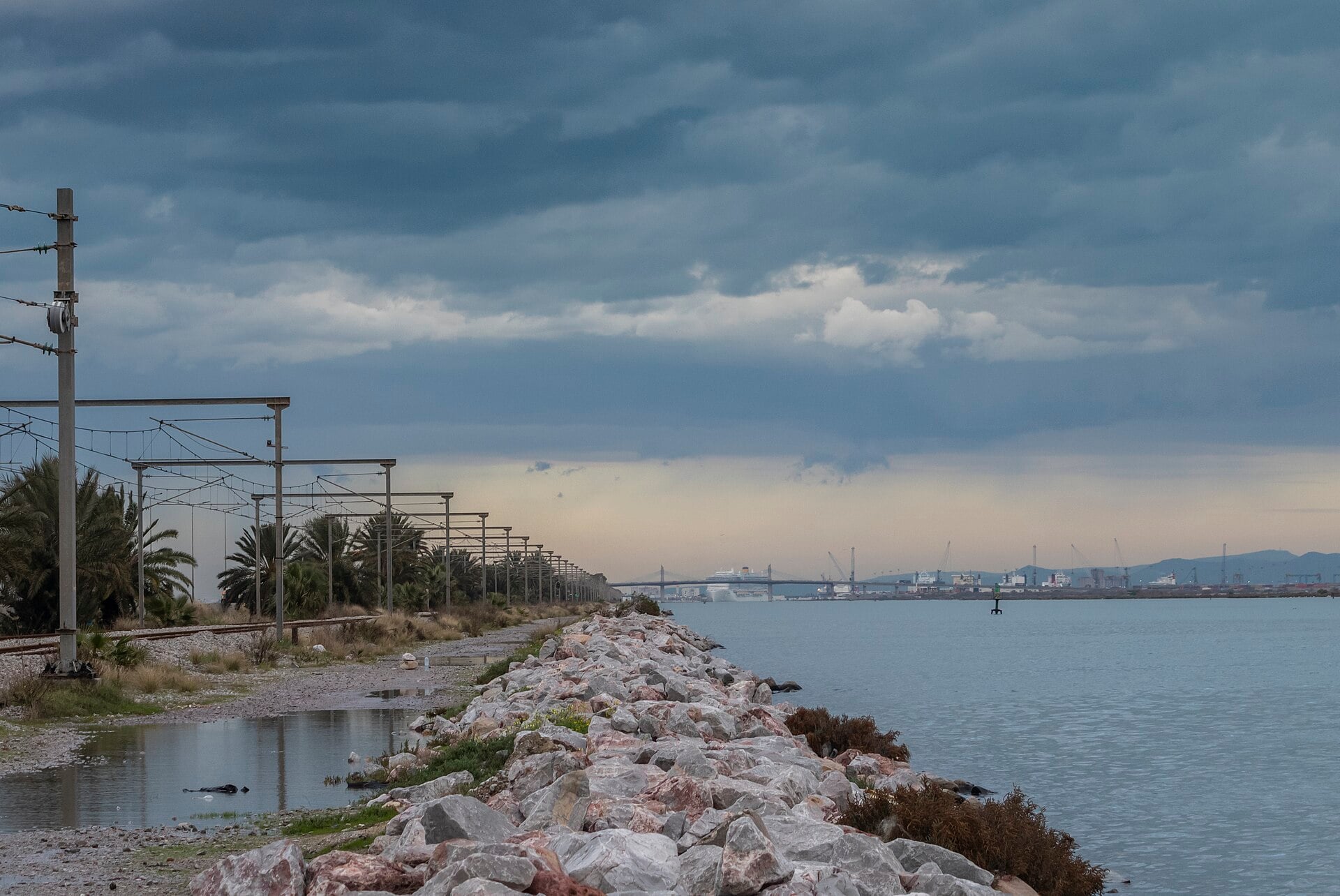
STEG: the utility at the heart of the Tunisia power water crisis
The state electricity and gas company STEG has become the most visible symbol of institutional decay. By June 2026 its debt had swollen to 7.36 billion dinars, while unpaid bills owed to the company reached 6.06 billion dinars, leaving it financially strangled and unable to invest in new generation capacity.
A member of parliament’s finance committee described the crisis as fundamentally one of governance, not financing, pointing to years of underinvestment and policy choices that weakened the utility. Tunisia remains overwhelmingly dependent on imported fossil fuels, with roughly 98.1 percent of its electricity derived from natural gas, leaving supply acutely vulnerable to external price shocks.
Drought meets decades of policy neglect
The water emergency is real and climatic: Tunisia is living through what multiple sources describe as its most severe recorded drought, and rationing was introduced on 31 March 2023 in direct response to critically low dam levels. Yet the crisis is not nature’s work alone, because poor maintenance, ageing infrastructure, and decades of policy that favoured certain users over households have magnified the damage.
Drinking water prices rose by up to 16 percent in March 2024, with higher tariffs applied to large consumers and tourist establishments, squeezing ordinary Tunisians already battered by inflation. The water and energy crises are tightly linked, since nearly all of Tunisia’s electricity comes from gas-fired plants that themselves require water, creating a feedback loop that deepens the country’s vulnerability.
The Algeria factor and a shrinking geopolitical room
Tunisia’s predicament has quietly redrawn its external relationships, pushing it into deeper dependence on Algeria. Roughly two-thirds of Tunisia’s imported natural gas comes from its western neighbour, and between 2020 and 2022 Algerian loans and deposits at Tunisia’s central bank totalled $650 million, making Algiers the indispensable backstop.
This shift matters for any reader tracking the great-power contest reshaping Africa, a dynamic we follow closely in our pillar Africa: The New Scramble. While European and Gulf partners once balanced Tunis, Saied’s rejection of an International Monetary Fund programme and the democratic breakdown since 2021 have left the country more isolated, more reliant on Algerian goodwill, and more exposed to a balance-of-payments squeeze.
Saied’s health rumours and the vacuum at the top
Into this volatile mix came a two-week public absence by President Saied in July 2026, which ignited a storm of unconfirmed speculation. Italian newspaper Il Foglio reported that he had been hospitalised after an urgent intervention for a heart attack, though the Tunisian presidency never confirmed the claim.
Saied later reappeared in a video on his official Facebook page and dismissed the health rumours as “crazy,” but the episode exposed how much of the system now rests on one man. For investors and diplomats watching Tunisia, the question is less about any single medical bulletin and more about the institutional void that the speculation revealed.
What to watch as the pressure builds
The immediate risk is that another heatwave or a prolonged blackout turns scattered protests into a broader challenge to public order, especially in interior regions where water stress is most acute. European Union and German-backed green hydrogen and renewable-energy projects are being pitched as long-term solutions, but Tunisian civil society voices warn they could further strain scarce water resources if not managed with extreme care.
For Latin American readers accustomed to the interplay of commodity dependence, state utility fragility, and political risk, Tunisia offers a familiar but urgent case study. The country is not yet in freefall, but it is drifting without a financial safety net, tethered to an Algerian lifeline, and governed by a leadership whose durability is suddenly an open question.
Connected Coverage
Frequently Asked Questions
Why is Tunisia facing electricity and water shortages right now?
The shortages stem from a combination of prolonged drought, years of underinvestment in the state utilities STEG and Sonede, and heavy dependence on imported natural gas. Dam levels have fallen to critically low levels, while STEG’s debt reached 7.36 billion dinars by mid-2026, leaving it unable to finance new generation capacity or maintain existing infrastructure.
Is President Kais Saied seriously ill?
There is no confirmed evidence that President Saied is seriously ill. His two-week public absence in July 2026 triggered unconfirmed Italian press reports of a hospitalisation for a heart attack, but the Tunisian presidency never verified the claim, and Saied himself later dismissed the speculation in a social media video.
How dependent is Tunisia on Algeria for energy?
Tunisia is heavily dependent on Algeria, which supplies roughly two-thirds of its imported natural gas and provided $650 million in loans and deposits between 2020 and 2022. With Tunisia having rejected an IMF programme and facing international isolation, Algeria has become the country’s most important external financial and energy backstop.
This article was produced by The Rio Times’ automated newsroom system. How we use AI · Report an error · Editorial responsibility: Matthias Camenzind, Editor-in-Chief
LatAm Markets: Live Signals → — real-time movers, turnover leaders and FX across Latin America.