DR Congo Court Backs Referendum on Tshisekedi Third Term
DR Congo · POLITICS
Key Facts
- —What happened Parliament passed a referendum bill in June 2026 and the Constitutional Court backed it in July, clearing a path for President Félix Tshisekedi to seek a third term.
- —The legal barrier The 2006 constitution limits presidents to two five-year terms and protects those limits from revision, meaning Tshisekedi is due to leave office in 2028 under the current text.
- —The security angle Tshisekedi has linked any possible electoral delay to insecurity in the east, where the state is fighting the M23 rebellion widely tied to Rwanda in international reporting.
- —The money stakes The DR Congo is mineral-rich and strategically central to global supply chains for copper and cobalt, which heightens elite competition over state control.
- —What comes next Opposition coalitions and churches warn of a constitutional coup, while Western, Chinese and regional interests watch who governs Kinshasa and on what basis.
Félix Tshisekedi’s push toward a possible third term in the Democratic Republic of Congo exposes a familiar African constitutional trap. Incumbents keep formal limits in place until power, security and institutions align for a rewrite.
President Félix Tshisekedi is testing the Democratic Republic of Congo’s constitutional order as he moves toward a possible third term. The push has already cleared parliament and the Constitutional Court, turning a legal question into a broader struggle over power, security and mineral wealth.
The legal path to a Tshisekedi third term
The 2006 constitution limits presidents to two five-year terms and explicitly protects those term limits from revision. Tshisekedi, in office since 2019 and re-elected in December 2023, is due to leave in 2028 under the current text.
That legal barrier is now under direct assault. Parliament passed a referendum bill in June 2026, and the Constitutional Court backed it in July, clearing a procedural path for constitutional change.
Tshisekedi said in May he would accept another mandate “if the people want” it. The sequence of events suggests the question is no longer whether a rewrite will be attempted, but how quickly and through which mechanism.
Security as the justification for delay
Tshisekedi has linked any possible electoral delay to insecurity in the east, where the state is fighting M23, a rebellion widely tied to Rwanda in international reporting. That framing makes constitutional change part of a security narrative, not just an electoral one.
The eastern conflict has displaced large populations and drawn in regional actors. By tying a third term to the war, Tshisekedi shifts the debate from legal limits to national survival.
Opposition figures reject this framing. They argue the security crisis is being used to justify an extension of power that the constitution was designed to prevent.
Money, minerals and the fight for Kinshasa
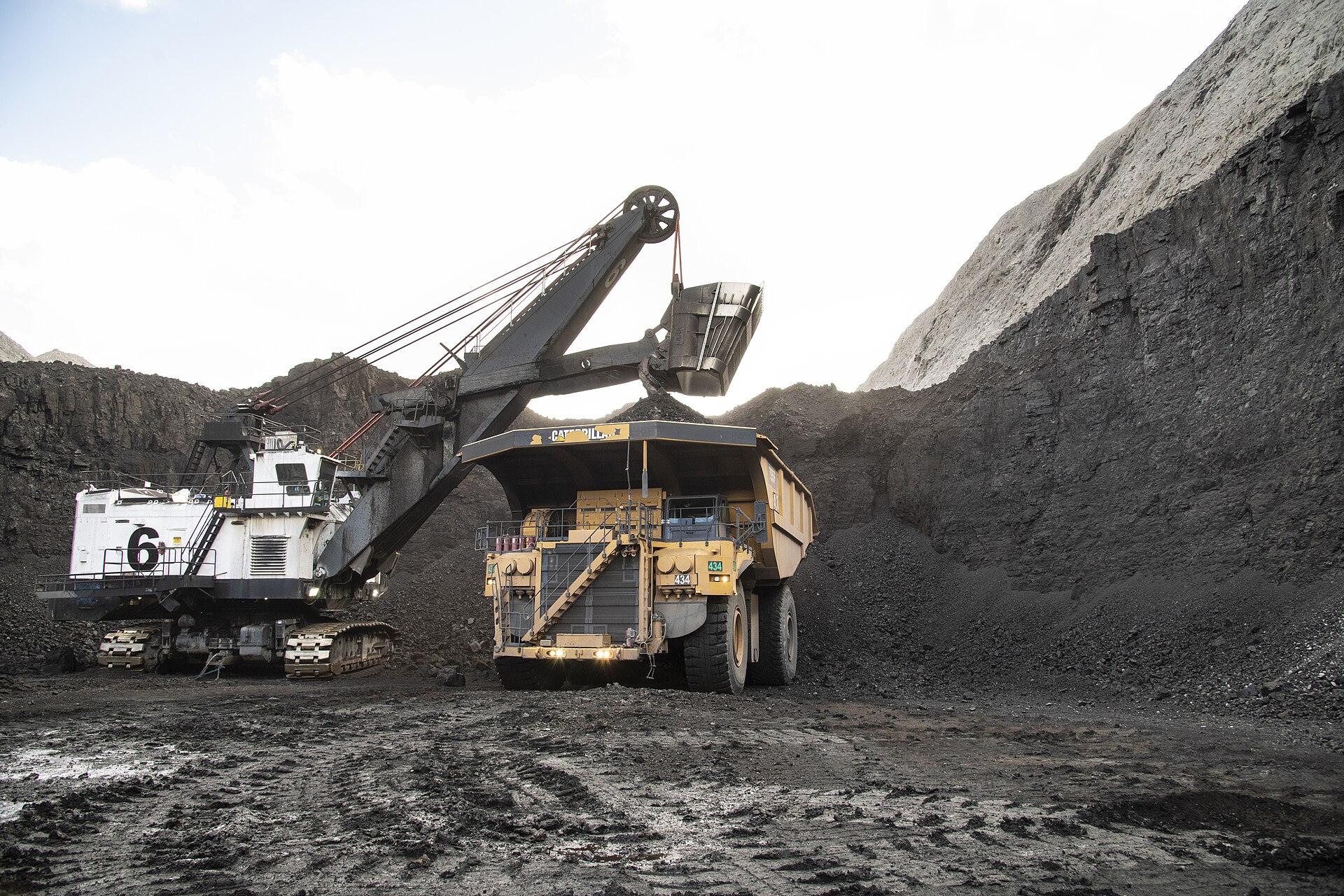
The DR Congo is mineral-rich and strategically central to global supply chains, especially copper and cobalt. That wealth heightens elite competition over state control, making the constitutional fight about far more than legal texts.
Western, Chinese and regional interests all have stakes in who governs Kinshasa and on what constitutional basis. The country’s cobalt is critical for electric vehicle batteries, while its copper feeds global manufacturing.
This is the core of the Africa: The New Scramble dynamic. Great powers and corporations watch constitutional stability as a proxy for investment risk.
The African pattern of term-limit erosion
The African pattern is familiar: leaders test term limits through courts, referendums, emergency claims or “new constitutions.” Tshisekedi’s bid is less an isolated drama than a stress test of African constitutionalism under pressure from money, war and great-power rivalry.
Opposition coalitions and churches warn of a constitutional coup. They see the referendum bill and court ruling as coordinated moves to dismantle the two-term safeguard.
The DR Congo now joins a list of countries where formal limits remain on paper while incumbents work to rewrite the rules. The outcome will signal whether constitutional constraints still bind in Central Africa.
Who gains and who loses
Tshisekedi and his inner circle stand to gain the most from a successful rewrite. A third term would extend their control over state resources, security forces and mining revenues.
Opposition parties, civil society groups and churches stand to lose. They have framed the referendum push as an attack on democratic rotation and a return to personalised rule.
Foreign investors face a mixed picture. Some may welcome continuity, while others worry that constitutional instability increases long-term risk in a country already marked by conflict.
What to watch next
The next milestone is the referendum itself, though no date has been confirmed in the available reporting. The speed of the parliamentary and court actions suggests momentum is building.
Watch whether regional bodies and international partners publicly push back. Their response will shape how far Tshisekedi can go without diplomatic cost.
The eastern security situation remains the wild card. If M23 advances further, the argument for delay and constitutional change may strengthen in Kinshasa, even as opposition resistance hardens.
Frequently Asked Questions
Can Tshisekedi legally run for a third term in DR Congo?
No, under the 2006 constitution he is limited to two five-year terms and is due to leave in 2028. However, parliament passed a referendum bill in June 2026 and the Constitutional Court backed it in July, opening a path to change that limit.
Why is the security situation in eastern DR Congo part of this debate?
Tshisekedi has linked any possible electoral delay to insecurity in the east, where the state is fighting the M23 rebellion widely tied to Rwanda in international reporting. This framing makes constitutional change part of a security narrative rather than a purely electoral one.
What role do minerals play in the constitutional fight?
The DR Congo is mineral-rich and strategically central to global supply chains for copper and cobalt. That wealth heightens elite competition over state control, making the constitutional question about access to resources as much as legal texts.
Connected Coverage
Sources
This article was produced by The Rio Times’ automated newsroom system. How we use AI · Report an error
Read More from The Rio Times