Trump’s Election Overhaul Targets Fraud, Sparks Debate
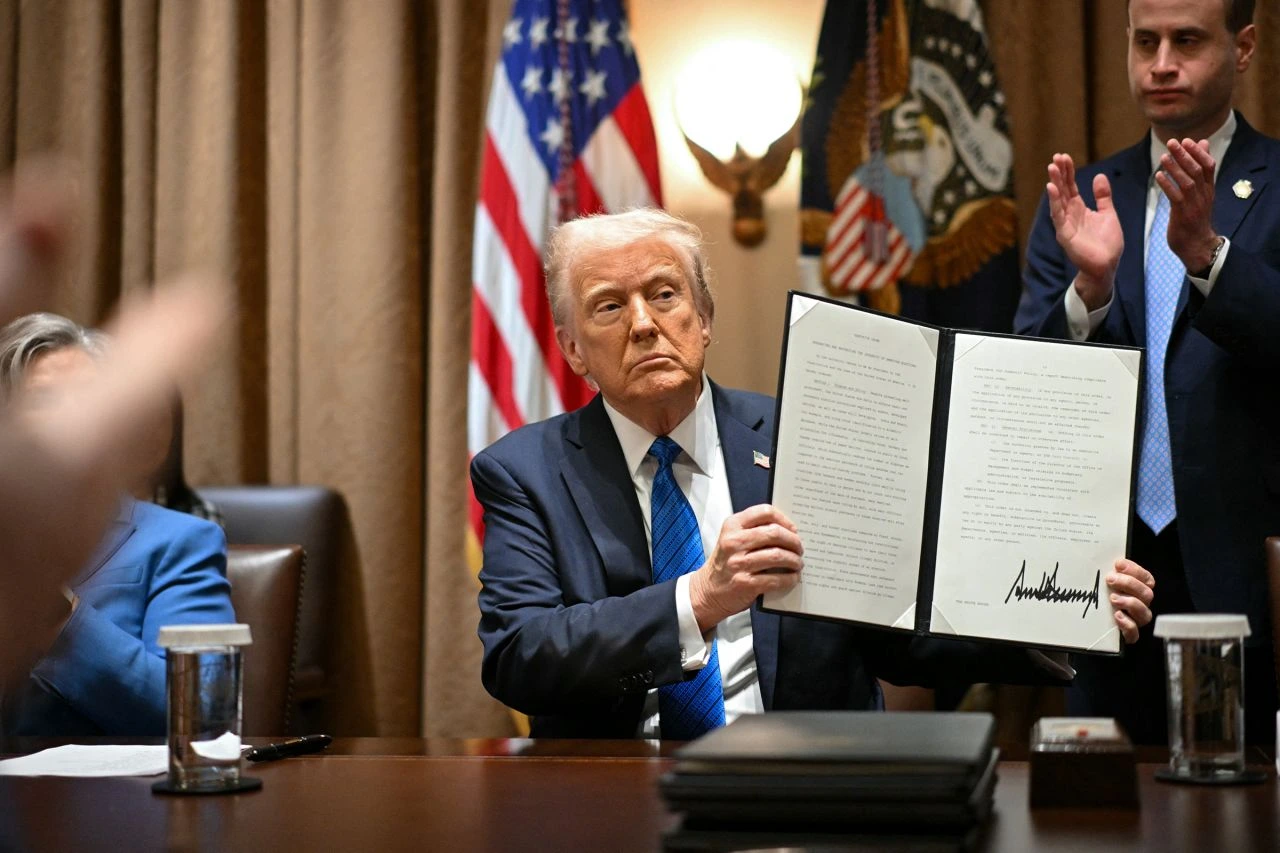
President Donald Trump signed an executive order on March 25, 2025, aiming to reshape U.S. elections, White House officials announced. He demands proof of citizenship, like passports, for voting and restricts late mail-in ballots.
Critics doubt its enforceability, predicting lawsuits since states oversee their own election rules. Trump fuels this push with years of fraud claims shadowing his wins and losses.
He insists illegal immigrants vote, despite laws imposing prison or deportation for non-citizen voting. At the signing, he praises Brazil and India, highlighting their biometric voter systems against America’s self-reported citizenship checks.
The order pressures states by threatening to cut federal funding if they resist. This echoes past moves, like tying funds to a national drinking age in the 1980s. Yet, 21 million Americans lack valid IDs, facing potential exclusion, while mail-in limits could burden rural voters amid postal delays.
Rewind to 2016, Trump claims millions of illegal votes cost him the popular vote against Hillary Clinton. Jump to 2024, he wins again but revisits fraud allegations from his 2020 loss to Joe Biden.
Investigations consistently find no widespread fraud, yet his supporters back tougher voting laws. The stakes loom large: 9% of U.S. voters could lose access without IDs.
Trump’s Election Order Sparks Legal and Political Battle
Legal experts argue Trump oversteps, lacking Congressional authority to dictate election rules. Courts will likely weigh in, testing this executive flex against states’ constitutional rights.
Trump’s move builds on a trend—since 2020, over 20 states tighten ID laws and voter roll purges. Kansas once tried a citizenship proof law, sidelining 30,000 eligible voters until courts struck it down.
Now, Trump aims to nationalize this fight, sidestepping a divided Congress. Transitioning to impact, the order could shift future elections if it holds. Business leaders watch closely, gauging stability versus disruption.
The plan seeks control, rooted in unproven fraud fears, but risks alienating millions in a fragmented system. This story strips down to essentials: policy, power, and people. Figures reveal the cost—millions at risk of exclusion.
Trump bets on this overhaul to cement influence, but legal and practical hurdles loom. Observers track the fallout, weighing democracy’s balance in this bold gambit.
This article was produced by The Rio Times’ automated newsroom system. How we use AI · Report an error · Editorial responsibility: Matthias Camenzind, Editor-in-Chief