Terrorism among Mozambique’s priorities at the UN Security Council
As of Tuesday, Mozambique begins its mandate as a non-permanent member of the Security Council of the United Nations (UN) and the fight against terrorism is among the priorities on the agenda, according to an official source.
“We are going to deal a lot with terrorism,” said the Mozambican ambassador to the United Nations, Pedro Comissário, quoted by the organization’s official communication organ, UN News.
In addition to taking the fight against terrorism to the table of the United Nations Security Council, according to the diplomat, Mozambique wants to raise the debate on the need for a reform of the body to include “African concerns”.
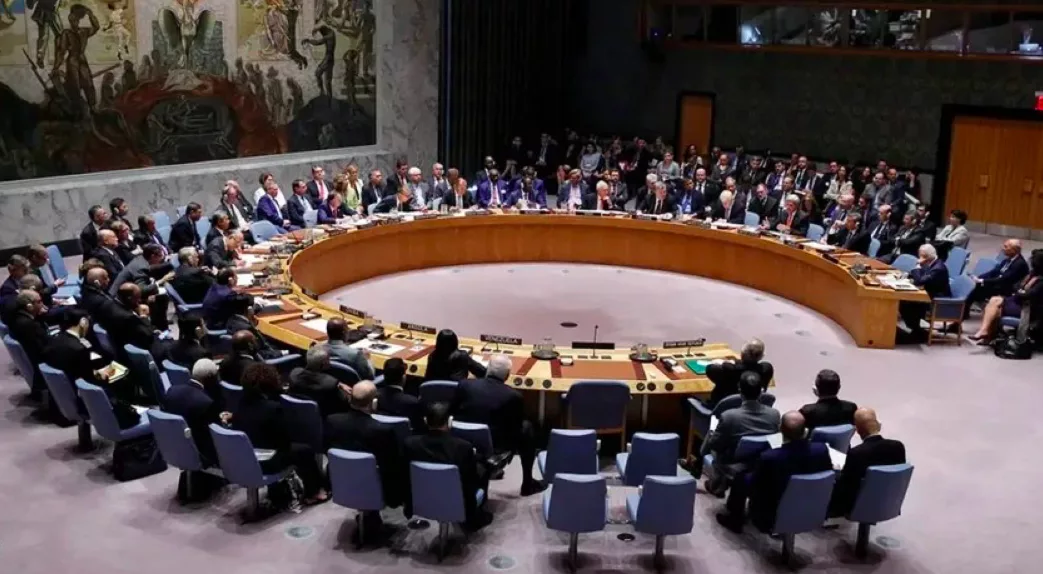
“It is necessary to pay attention to reforming the Security Council to reflect African concerns, a region that has suffered historical injustice. We have no permanent member on the Security Council”, warned Pedro Comissário.
Mozambique was elected a non-permanent member of the Security Council of the United Nations (UN) for the period 2023 and 2024 on June 9.
This body, created to maintain international peace and security in accordance with the principles of the United Nations, has five permanent members – the United States of America, Russia, France, the United Kingdom and China – and ten non-permanent members.
Every year, the General Assembly elects five out of a total of ten non-permanent members, who under the terms of a UN resolution are distributed as follows: five Africans and Asians, one from Eastern Europe, two from Latin America, two from Western Europe and other states.
Mozambique’s election comes at a time when the armed insurgency in Cabo Delgado province remains the main security challenge, with some attacks claimed by the extremist group Islamic State.
The insurgency, which has lasted for the past five years, has led to a military response since July 2021 with the support of Rwanda and the Southern African Development Community (SADC), liberating districts next to gas projects, but new waves of attacks have emerged. south of the region and in the neighboring province of Nampula.
The conflict has already displaced one million people, according to the United Nations High Commissioner for Refugees (UNHCR), and around 4,000 deaths, according to the ACLED conflict registration project.
With information from RTP
This article was produced by The Rio Times’ automated newsroom system. How we use AI · Report an error · Editorial responsibility: Matthias Camenzind, Editor-in-Chief
Read More from The Rio Times