Tariff Uncertainty Slashes Mexican Clothing Exports to U.S. by 20%
José Pablo Maauad, president of Mexico’s National Chamber of the Apparel Industry, reports a 20% drop in U.S. clothing orders this year. This decline, triggered by tariff uncertainty, costs Mexico 7,000 garment jobs so far.
The nation, a key U.S. supplier, now faces a critical test. Mexico ranks as the fifth-largest clothing provider to the U.S., exporting $2.5 billion annually, with denim leading at 40%.
The U.S. buys jeans, t-shirts, shirts, jackets, and bedding, driving 1.2 million Mexican jobs. Yet, threats of U.S. tariffs under the USMCA spark hesitation among buyers.
The industry loses 10,000 jobs in three months, with 7,000 tied to this export slump, affecting mostly women workers. Maauad notes U.S. clients delay orders, awaiting clarity on policies set for March or April 2025.
He predicts a six-month disruption before recovery. Meanwhile, Mexico’s government, led by Claudia Sheinbaum, hikes taxes to 19% and tariffs to 35% on Asian clothing imports.
This shift pushes platforms like Shein, Temu, Amazon, and Mercado Libre to order from Mexico. Producers in Puebla and Guanajuato now supply these giants.
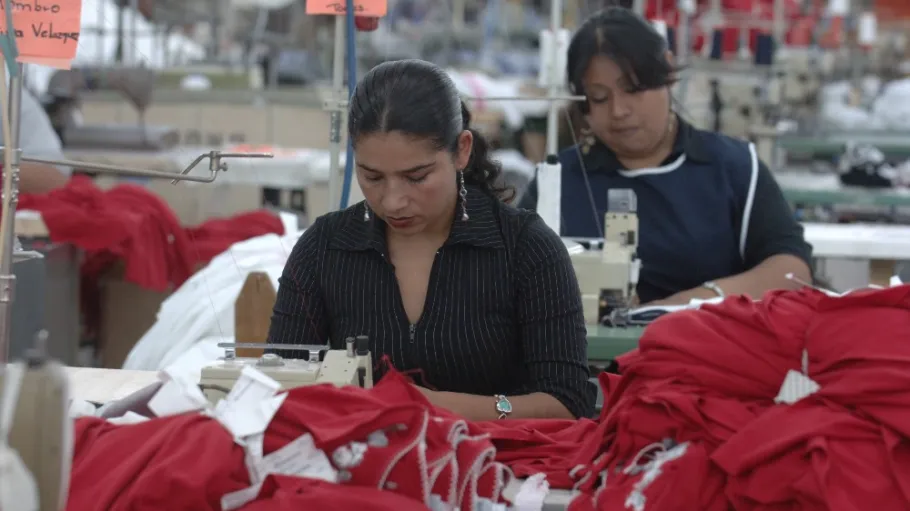
Mexico’s Apparel Industry
The policy curbs cheap Asian goods, boosting local manufacturing as 15 Puebla and 25 Guanajuato firms join e-commerce chains. Maauad sees growing demand from retailers aiming to stock more Mexican-made products.
This trend offers hope amid the export downturn. Previously, fast-fashion competition cost 20,000 jobs in 2024, with production down 8% due to undervalued imports.
Today’s U.S. slowdown adds pressure, threatening regions like Puebla and northern states. Still, nearshoring and lower labor costs keep Mexico competitive.
Maauad expects U.S. retailers to face inventory shortages if tariff issues persist, potentially reviving Mexican exports. The industry adapts, promoting local goods and building e-commerce ties to offset losses. Transition hinges on U.S. trade moves.
This story reveals Mexico’s apparel sector at a crossroads, balancing export woes with new domestic opportunities. The 7,000 lost jobs underscore the stakes, while e-commerce shifts signal resilience. Business leaders watch closely as trade policies unfold.
The outcome depends on swift resolution and Mexico’s ability to leverage its strengths. For now, uncertainty rules, but adaptation offers a lifeline. This shift shapes a $2.5 billion industry’s future.
More: Latin America news in English, every day from The Rio Times.
This article was produced by The Rio Times’ automated newsroom system. How we use AI · Report an error
In depth
Read More from The Rio Times