Tanzania Urges Local Firms to Win US$1.9bn Mining Spend
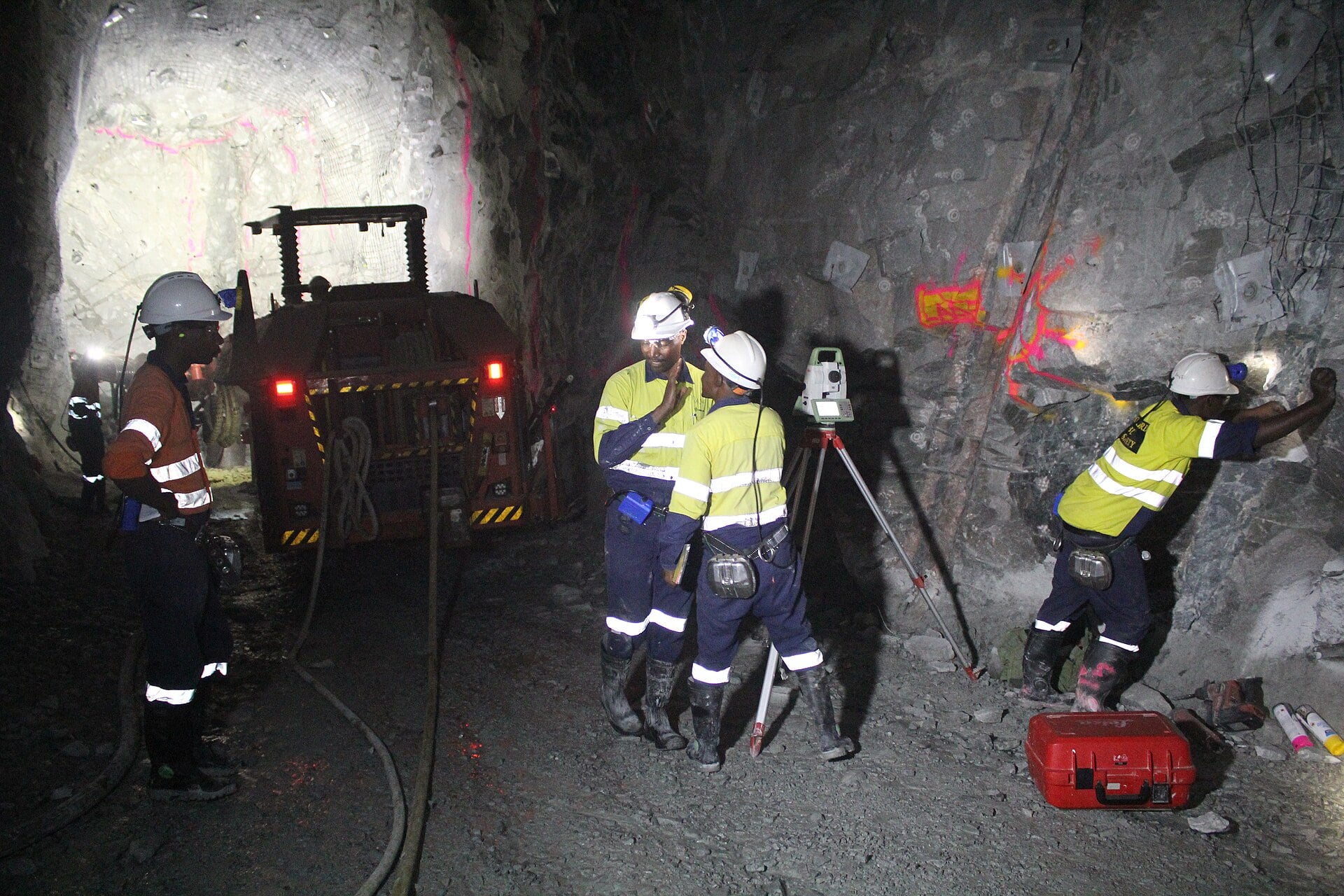
Key Facts
- —The country Tanzania, on the Indian Ocean coast of East Africa, has about 70.5 million people, slightly more than Britain. Its economy was worth about US$90 billion in 2025, World Bank data show.
- —Why it matters Mining makes up about 10.3 percent of Tanzania’s economy, and gold is its biggest export. Foreign miners such as Barrick and AngloGold Ashanti run the largest mines.
- —Why now Minerals Minister Anthony Mavunde spoke at a mining technology exhibition in Geita, the country’s gold heartland, as 14 major new projects move toward development.
- —What happened On 2 October, local media reported his call for Tanzanian firms to pool money and skills to win bigger mining contracts.
- —The numbers Mines spend about US$1.9 billion a year on goods and services. The government wants at least 90 percent of that spent inside Tanzania.
- —What it means for you Foreign suppliers and investors should expect closer checks on local partners. The national Mining Commission has been told to audit joint ventures with Tanzanian firms.
- —Still open The minister’s published remarks did not list the 14 projects, and no deadline or penalty for the joint-venture audits has been announced.
Tanzania mining is moving beyond gold into nickel, graphite and rare earths. The government wants local companies to take a far bigger share of the spending.
Tanzania, one of Africa’s biggest gold producers, is telling its own companies to grow up fast. Its minerals minister says 14 major projects are moving toward development, and Tanzania mining suppliers must be ready to serve them.
Minerals Minister Anthony Mavunde made the call at the ninth Mining Technology Exhibition in Geita, a gold-mining town near Lake Victoria.
He spoke on the event’s Local Content Day. The Citizen and the state-owned Daily News reported his remarks on 2 and 3 October.
A US$1.9 billion market the government wants kept at home
Mining companies in Tanzania spend about 5.1 trillion shillings (about US$1.9 billion) a year on goods and services, the minister said. The government wants at least 90 percent of that spending to stay inside the country.
Conversions here use 2,649 Tanzanian shillings to the US dollar, the market rate at Friday’s close on 2 October 2026.
“The issue is no longer simply gaining access to contracts, but building companies large enough to execute them,” The Citizen quoted him.
He urged firms to stop competing in small fragments and combine finance, equipment, technology and expertise.
From catering contracts to drilling and engineering
The minister said local firms should move beyond routine supply contracts. The government now wants them in drilling, engineering, explosives, mining technology, equipment maintenance and the manufacture of mine inputs.
Mr Mavunde wants local companies to build factories, buy advanced machinery and eventually compete for work across the region. He said firms should scale up before the new mines enter production, not after.
Dr Janet Reuben Lekashingo, who chairs the Mining Commission, the state regulator, said foreign partners had brought capital, technology and skills. She said the goal was to move Tanzanian firms “from participation to ownership”.
Audits for joint ventures with local partners
The sharpest new step is an audit. Mr Mavunde directed the Mining Commission to examine companies operating through joint ventures with Tanzanian partners.
The check will test whether local shareholding is real, meaning it shows up in operations, transactions and the profits from contracts. Partnerships must build real businesses, not simply satisfy ownership requirements, the Daily News quoted him as saying.
The legal base already exists. Tanzania’s Mining Act requires licence holders to prefer goods made in Tanzania and services from Tanzanian people and companies.
Holders of special mining licences, the permits for the largest mines, must keep at least 30 percent local shareholding throughout. That rule comes from 2016 regulations, as summarised by Tanzania’s extractive industries transparency body in a December 2025 report.
The 14 Tanzania mining projects and the graphite push
The minister did not name the 14 projects in his published remarks. Tanzania’s pipeline is known to include nickel, graphite and rare-earth deposits, minerals used in electric-vehicle batteries and magnets.
Holders of a further 28 graphite mining licences have been directed to speed up development, The Citizen reported. Graphite is used in the anodes of lithium-ion batteries.
The best-known nickel project is Kabanga, in north-western Tanzania, developed by the US-listed Lifezone Metals. Like other large mines, it carries a free stake for the Tanzanian state under the country’s 2017 mining laws.
Jobs, revenue and exploration
Tanzanians hold about 96 percent of more than 19,000 formal jobs in the mining sector, the minister said. He said more citizens now fill senior technical and management posts.
The sector collected 411 billion shillings (about US$155 million) in the first quarter of the 2026/27 financial year, which began in July. That was 117 percent of its 350 billion shilling (about US$132 million) target, according to Mr Mavunde.
President Samia Suluhu Hassan has approved putting 10 percent of mining-sector collections into geological exploration. The aim is better data on what lies underground and new areas opened for investors.
Why outsiders are watching
China backs the rehabilitation of the TAZARA railway, which links Zambia’s copper belt to the port of Dar es Salaam. That is according to the OECD, the Paris-based policy body for rich economies.
Western, Australian and Chinese capital are all competing for African battery minerals. Local-content rules decide how much of that money stays in the host country, a theme covered in Africa: The New Scramble.
What it means for foreign investors and suppliers
For a foreign company, a credible Tanzanian partner matters more than ever for large mining contracts. The new audits mean that partner must have a real role, not just a name on the share register.
Equipment makers and engineering firms may find openings in joint ventures and local assembly. The risk is delay if regulators reject local-content plans or question existing partnerships.
What remains unclear is how the audits will run, how long they will take and what happens to ventures that fail them. None of that was spelled out in the reports of the minister’s speech.
Frequently Asked Questions
How many mining projects is Tanzania advancing?
Minerals Minister Anthony Mavunde said 14 major mining projects are moving toward development. He did not list them in his published remarks, but Tanzania’s pipeline includes nickel, graphite and rare-earth deposits.
How big is Tanzania’s mining procurement market?
Mining companies spend about 5.1 trillion Tanzanian shillings, about US$1.9 billion, a year on goods and services. The government wants at least 90 percent of that spent inside Tanzania.
What local ownership rules apply to large mines in Tanzania?
Holders of special mining licences must keep at least 30 percent local shareholding for the life of the licence. The Mining Act also requires them to prefer Tanzanian goods and services.
What changes for foreign companies in Tanzania mining?
The Mining Commission has been told to audit joint ventures with Tanzanian partners. It will check whether local shareholding brings real benefits, so paper-only partnerships face scrutiny.
Connected Coverage
Sources
- The Citizen: Tanzania pushes local firms to scale up as 14 mining projects take shape (2 Oct 2026)
- Daily News: 14 mining projects open new opportunities for local firms (3 Oct 2026)
- TEITI: Report on CSR and local content in the mineral sector (Dec 2025)
- OECD: Critical minerals regional note, Africa (2026)
- World Bank: Tanzania data
This article was produced by The Rio Times’ automated newsroom system. How we use AI · Report an error · Editorial responsibility: Matthias Camenzind, Editor-in-Chief
LatAm Markets: Live Signals → — real-time movers, turnover leaders and FX across Latin America.