Sanctions Deaths Study: La Diaria Revisits Estimate of 564,258 a Year
URUGUAY · SANCTIONS
Key Facts
- —The article Uruguay’s daily La Diaria published a long article by Edgardo Rubianes on 30 September 2026 on the human cost of sanctions promoted by the United States.
- —The core figure Unilateral sanctions were associated with 564,258 deaths a year from 1971 to 2021, a 2025 study in The Lancet Global Health estimated.
- —Who dies Children under five made up 51% of the deaths the study links to sanctions, according to its authors.
- —The US view The US Treasury called sanctions “an essential and effective policy tool” in its October 2021 review and widened humanitarian exemptions in December 2022.
- —The limits The study rests on non-experimental data, found no significant effect from UN sanctions and was funded by the Washington think tank CEPR.
Uruguay’s La Diaria revisits a sanctions deaths study that links unilateral measures to more than half a million deaths a year. Most of those measures are American.
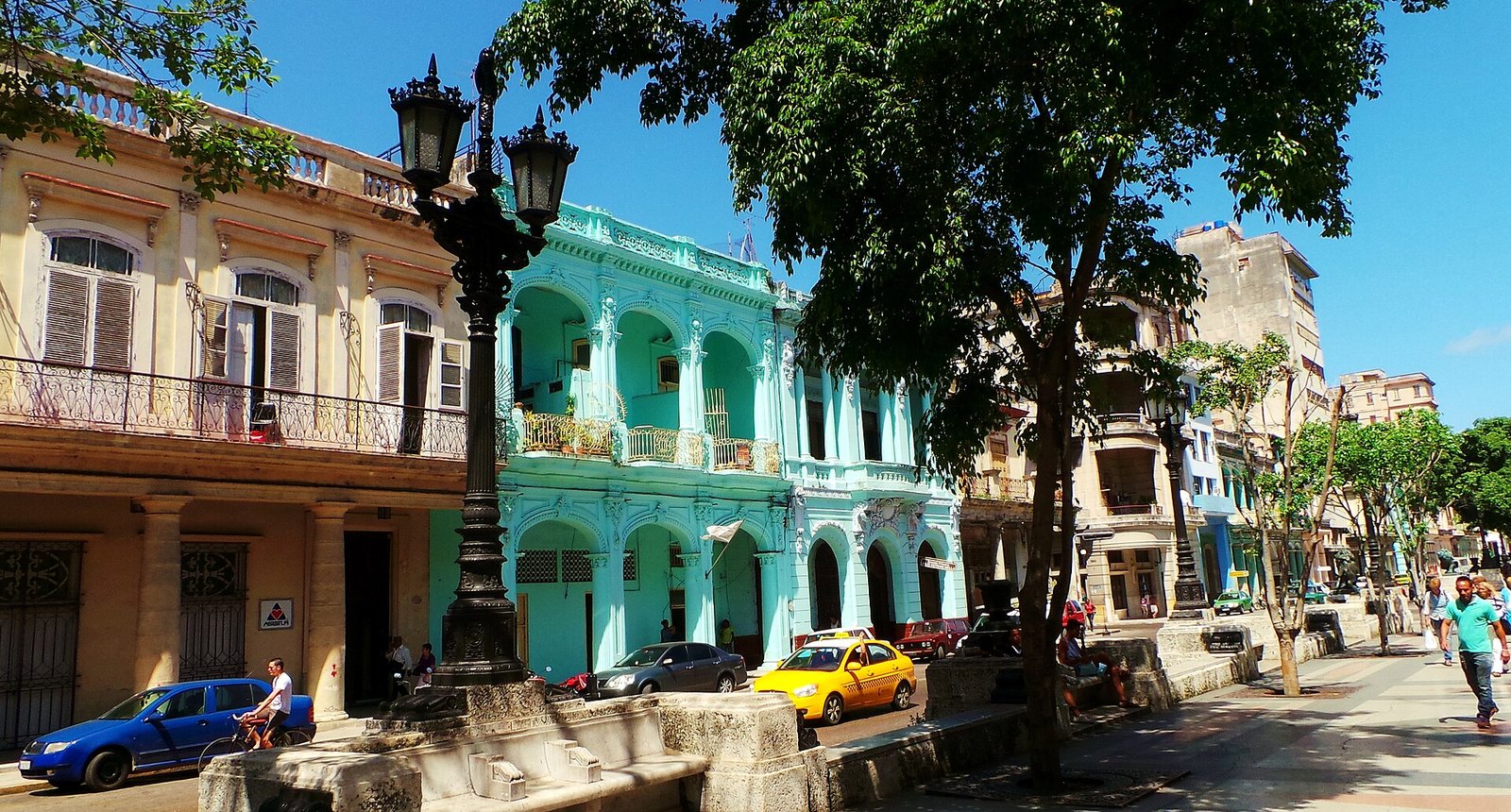
Uruguay’s newspaper La Diaria published a long article on 30 September 2026 arguing that US-promoted sanctions carry a large hidden death toll. Its central evidence is a 2025 study linking unilateral sanctions to an estimated 564,258 deaths a year worldwide.
What La Diaria argues
The article, by Edgardo Rubianes, appeared in the paper’s world section. Its title reads “The hidden deaths behind the sanctions promoted by the United States”.
It opens with a 1919 speech by US President Woodrow Wilson. Wilson called the economic boycott a “peaceful, silent, deadly remedy” that “does not cost a life outside the nation boycotted”.
Rubianes argues the reverse: the cost falls inside the sanctioned country, on its most vulnerable people. He builds the case from published research rather than new data.
He also sets it against a violent period. Sweden’s Uppsala Conflict Data Program counted 65 conflicts involving states in 2025, the most since its records began in 1946.
A study of 152 countries over five decades
The key source is a paper in The Lancet Global Health, a peer-reviewed medical journal, published in July 2025. Its lead author is Francisco Rodríguez of the University of Denver.
His co-authors are Silvio Rendón and Mark Weisbrot of the Center for Economic and Policy Research (CEPR), a think tank in Washington.
They matched age-specific death rates with sanctions episodes in 152 countries from 1971 to 2021. Unilateral sanctions, those imposed without United Nations approval, were associated with 564,258 deaths a year.
The authors give a range of 367,838 to 760,677 deaths for that estimate. They compare it with an average of about 106,000 battle deaths a year over the same period.
Children bear most of the toll
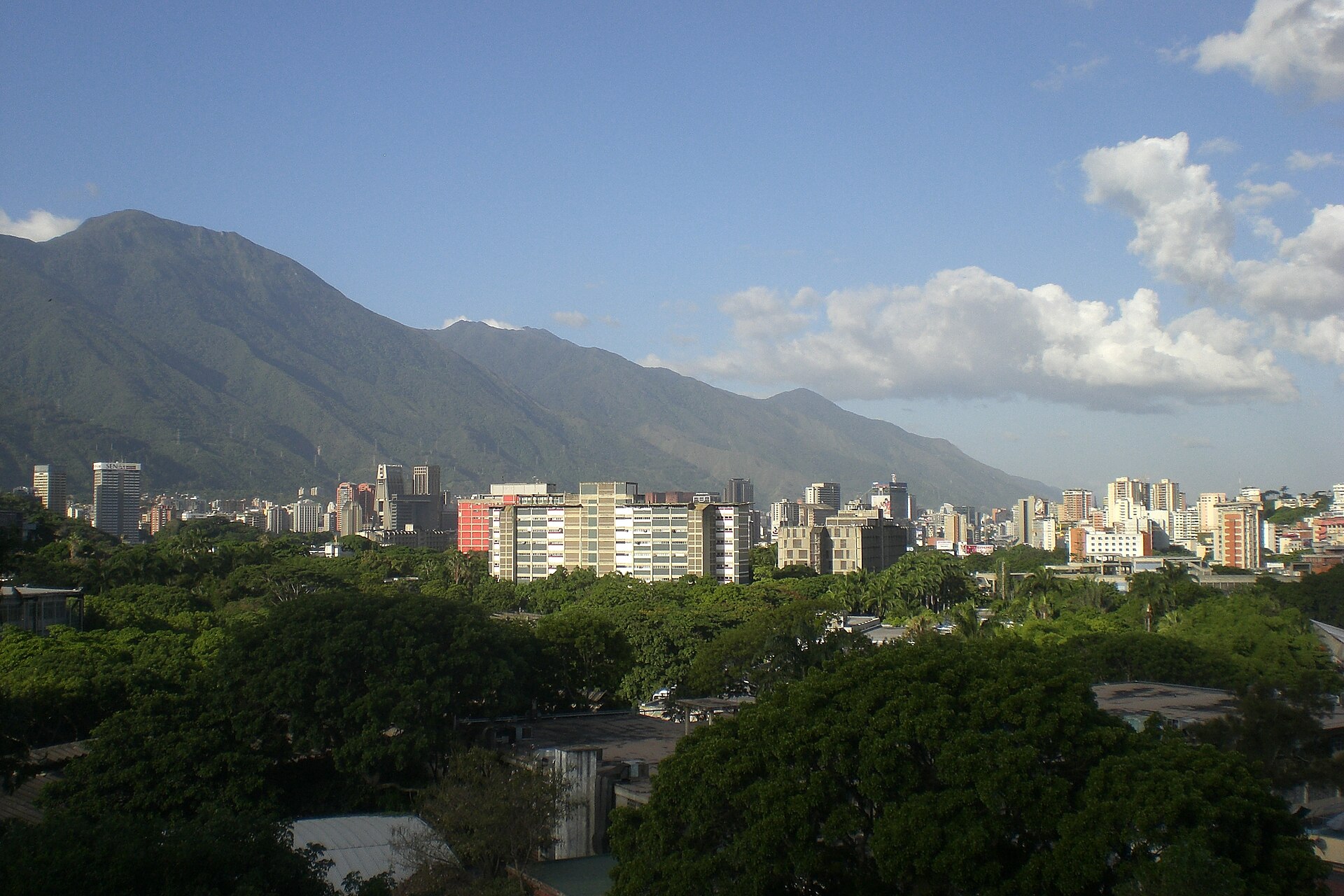
Children under five accounted for 51% of the deaths the study links to sanctions. The effect was smallest, though still significant, for people aged 60 to 80.
The authors describe three channels. Sanctions cut public revenue for health care, reduce the foreign currency needed to import medicine and food, and hamper aid groups.
La Diaria adds a fourth effect, known as over-compliance. Banks, insurers and drug makers often avoid sanctioned countries entirely, even when medical goods are formally exempt.
Why US sanctions stand out
The study found the strongest effects for unilateral, economic and US sanctions. It found no statistical evidence of an effect from UN sanctions.
La Diaria notes that UN measures usually carry wider humanitarian exemptions. The UN Security Council has created 31 sanctions regimes since 1966, starting with Southern Rhodesia, now Zimbabwe.
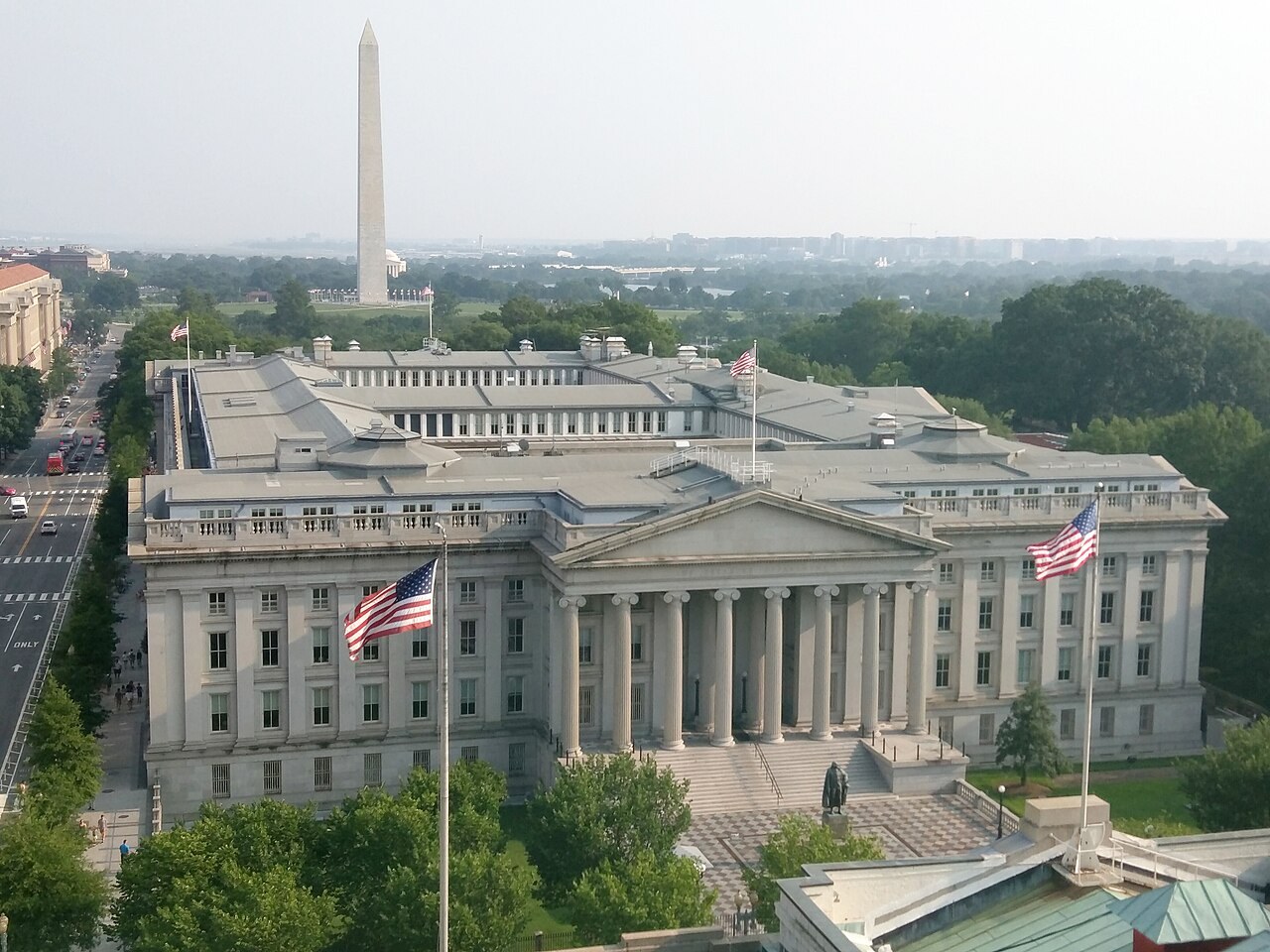
The United States runs its own programmes through the Treasury’s Office of Foreign Assets Control (OFAC). Their reach is global because most international payments run through dollars and US banks.
Some are full embargoes, such as those on Cuba, Iran and North Korea. Others target specific firms, sectors or people.
A quarter of all countries faced US, EU or UN sanctions in 2010 to 2022, the authors found. In the 1960s the share was 8%.
Washington’s case for sanctions
The US government treats sanctions as a tool of national security and foreign policy. OFAC applies them to states, groups and people it sees as threats to US security, foreign policy or the economy.
A Treasury review in October 2021 called sanctions “an essential and effective policy tool”. It also urged Treasury to “mitigate unintended economic, humanitarian, and political impacts” on people who are not the targets.
In December 2022 OFAC widened exemptions across its programmes. They cover certain aid-group work and the supply of food, medicine and medical devices for personal use.
Two cases, and the limits of the evidence
La Diaria cites Syria and North Korea as failures of the method. Washington began lifting its Syria sanctions after Bashar al-Assad fell in December 2024.
President Donald Trump then met Assad’s successor, Ahmed al-Sharaa, in May 2025. In North Korea, decades of US and UN sanctions did not stop a nuclear weapons programme, the article argues.
The study’s authors state their own limits, “those inherent to the use of non-experimental data”. No controlled experiment can test what sanctions do to a population.
CEPR funded the research. Rodríguez declares that he owns a consultancy, VenAnalytics, and acts as an expert witness in litigation involving Venezuela.
What it means for Latin America
For Latin America the debate is close to home. Cuba has lived under a US trade embargo since the early 1960s, and Venezuela has faced broad US sanctions in recent years.
La Diaria quotes Weisbrot as saying that sanctions “kill in silence, without the political cost of war”. Rubianes ends by suggesting that some Uruguayan politicians weigh that point, without naming them.
The authors urge restraint and a redesign of sanctions, while Washington says it already tailors its measures. The open question is how far the exemptions reach the people the study counts.
More: Uruguay news, every day from The Rio Times.
Frequently Asked Questions
How many deaths does the Lancet study link to sanctions?
The 2025 study in The Lancet Global Health linked unilateral sanctions to 564,258 deaths a year from 1971 to 2021. The authors give a range of 367,838 to 760,677. Children under five made up 51% of those deaths.
Do UN sanctions have the same effect?
The study found no statistical evidence of a mortality effect from UN sanctions. The strongest effects came from unilateral, economic and US sanctions.
What does the US government say about sanctions?
The US Treasury calls sanctions an essential and effective tool of national security and foreign policy. Its 2021 review said they should be tailored to limit humanitarian harm. In December 2022, OFAC widened exemptions for aid groups, food and medicine.
Sources: La Diaria · The Lancet Global Health (PubMed record) · Center for Economic and Policy Research (study text) · US Department of the Treasury · Office of Foreign Assets Control · UN Security Council · Uppsala University (UCDP)
This article was produced by The Rio Times’ automated newsroom system. How we use AI · Report an error
Read More from The Rio Times