Rotterdam and Antwerp Shift Gears: Europe’s Ports Prepare for War
Europe’s biggest ports, Rotterdam in the Netherlands and Antwerp in Belgium, are changing how they operate.
Official statements from the Rotterdam Port Authority confirm that both ports now set aside space for NATO military ships and coordinate closely in case a crisis requires rapid movement of military supplies.
This is a major shift from their usual focus on commercial trade. Rotterdam stretches 42 kilometers along the Maas River and handles about 436 million tons of cargo each year.
Antwerp, the second largest in the EU, moves 240 million tons. Together, they are key entry points for goods into Europe. Rotterdam’s chief executive, Boudewijn Siemons, says not every part of the port can handle military cargo.
Rotterdam and Antwerp now work together to share this responsibility, especially for shipments from the United States, United Kingdom, and Canada.
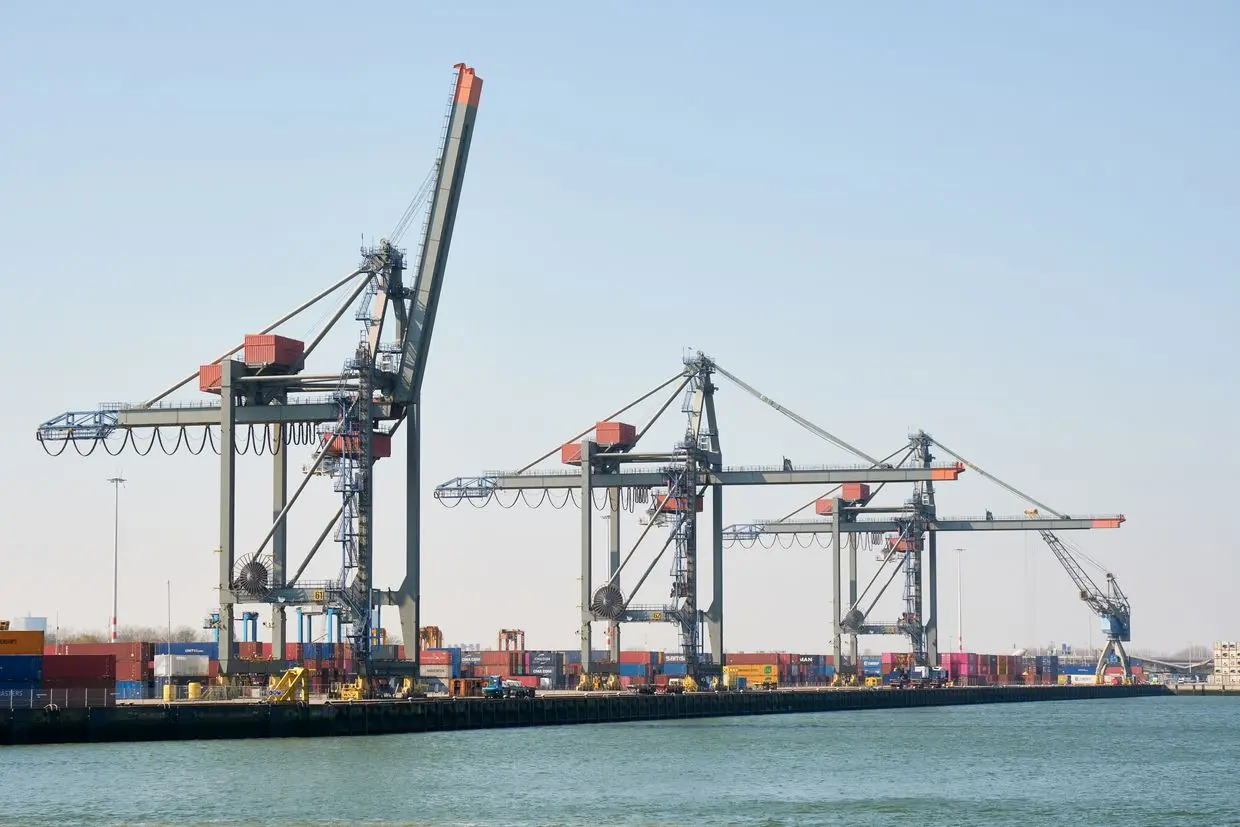
For the first time, Rotterdam will dedicate a dock for military ships, expecting four to five visits per year, each lasting several weeks. The port will also host military landing exercises multiple times a year.
This change comes as the European Union plans to spend up to 800 billion euros to strengthen its own defense and reduce reliance on outside suppliers.
Rotterdam and NATO Boost Military Readiness Amid Russia Threat
The Netherlands and other NATO members have promised to raise military spending to five percent of GDP. In May, Dutch officials announced that Rotterdam must be ready to receive military cargo whenever NATO asks.
Rotterdam has handled military cargo before, like during the 2003 Gulf War, but never had a dock just for military use. Antwerp regularly receives supplies for U.S. troops in Europe.
Warnings from NATO and German intelligence say Russia could threaten a NATO country by 2030. This has pushed European ports to prepare for emergencies. Rotterdam lost about eight percent of its trade, mostly oil, after EU sanctions on Russia.
The COVID-19 pandemic and the loss of Russian oil showed how much Europe depends on a few suppliers. Siemons says Europe should stockpile not only oil but also metals and medicines.
The EU already requires countries to keep a 90-day oil reserve, a rule from the 1973 oil crisis. Rotterdam stores part of the Dutch oil reserve. Ports like Rotterdam and Antwerp, with strong transport networks, are ideal for storing these reserves.
Now, both ports work together to strengthen Europe’s ability to handle future shocks. This new approach shows Europe’s ports must balance business with security as the world becomes less predictable.
This article was produced by The Rio Times’ automated newsroom system. How we use AI · Report an error · Editorial responsibility: Matthias Camenzind, Editor-in-Chief