Report Says JBS Owner Lobbied Trump on Brazilian Beef Duty
Brazil · TRADE
Key Facts
- —Meeting The Wall Street Journal reports, citing unnamed sources, that Joesley Batista met President Trump in the Oval Office on 20 August 2026. JBS has not confirmed the account.
- —Duty Brazilian beef pays 4.4 US cents a kilo inside the WTO quota and 26.4% above it. Brazil has no country-specific quota.
- —Announcement Trump announced the easing on 21 August 2026 and signed Proclamation 11059 on 26 August. It took effect on 1 September 2026.
- —Company JBS is controlled by the Batista family through holding J&F.
- —EU ban The European Union suspends Brazilian animal products on 3 September 2026.
Runoff · Sunday, 25 October
Brazil Runoff 2026: Lula vs Flávio
Date, polls, debates, odds and how the runoff works, updated every day.
Brazil runoff polls · Polymarket and Kalshi odds · When results come
Prediction markets · who wins the runoff
Implied chance of winning Brazil’s presidency on 25 October, from traders’ prices.
Polymarket
Flávio Bolsonaro 78.6% · Lula 21.5% (US$188 million traded)
Kalshi (regulated in the US by the CFTC)
Flávio Bolsonaro 79% · Lula 21%
As of 19 October, 2:00 am ET (07:00 Lisbon), updated every 20 minutes. Prices are bets, not polls, and can move fast.
Why we show this: prediction markets turn real-money bets into a live probability that moves within minutes of the news, which is why investors, campaigns and newsrooms in the United States now follow them closely. We show them next to polls and official results, never instead of them.
One meeting in the Oval Office, and a tariff change announced the following day.
A new report says JBS owner Joesley Batista lobbied Trump on Brazilian beef. He urged a lower US import duty to help tame high American prices.
The meeting took place in the Oval Office on 20 August 2026, according to the Wall Street Journal, which cited unnamed sources.
The Oval Office Meeting
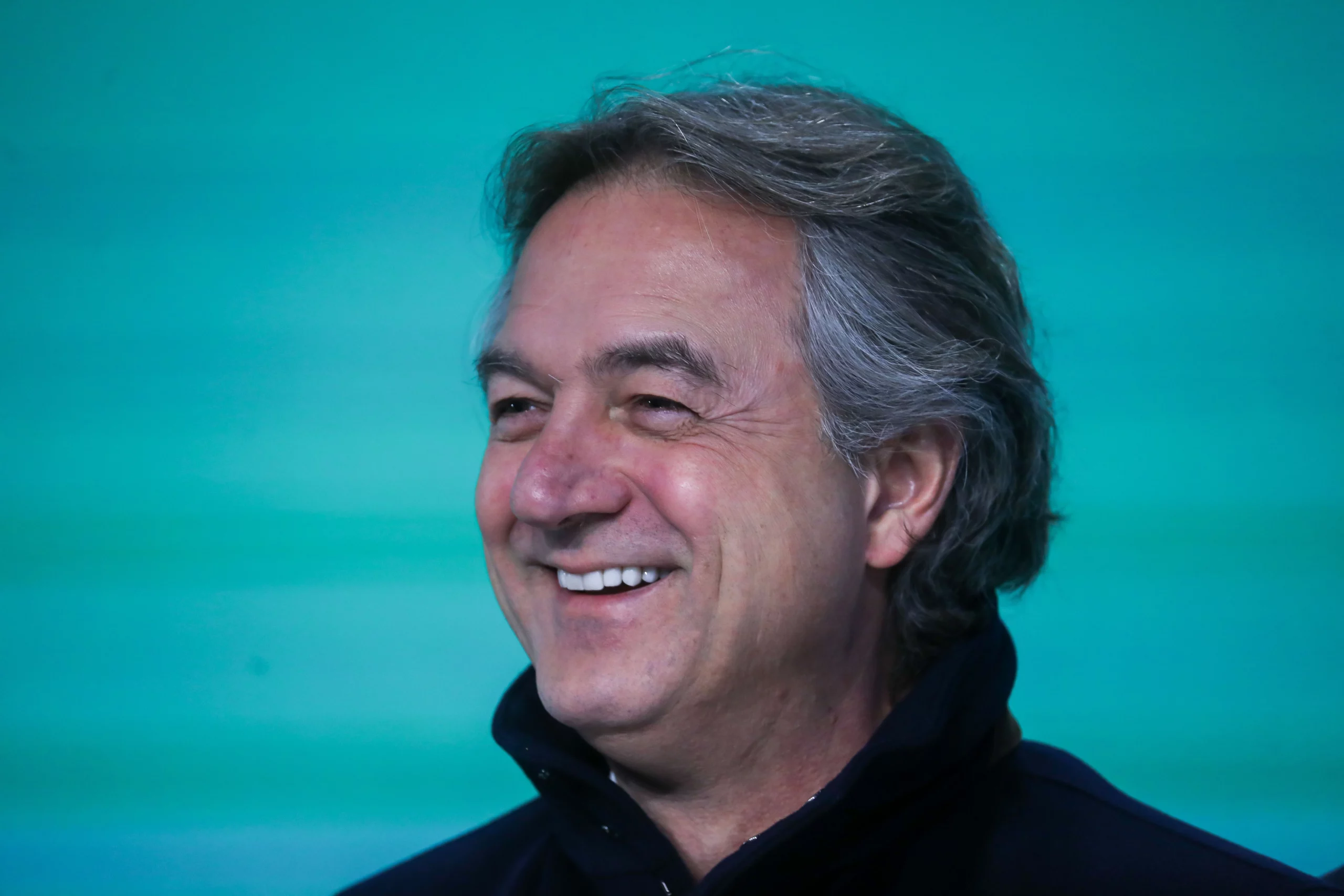
Joesley Batista, co-controller of JBS, met President Trump in the Oval Office on 20 August 2026. The account comes from the Wall Street Journal, in a report published on 31 August 2026.
Reuters, relaying the report, said it could not independently verify it. JBS has not confirmed that the meeting took place.
The Oval Office is the president’s office in the White House, and a meeting there is a mark of access. During the meeting, according to the Wall Street Journal, Batista urged Trump to lower the 26.4% over-quota United States import duty on Brazilian beef.
He argued that reducing the duty would help tame high American beef prices.
Lobbying for Lower Duties
The report says the two discussed how extra Brazilian supply could help if Trump dropped the duty. JBS played an important role in shaping the administration’s position on boosting beef imports, according to the report.
Brazilian outlets including Poder360 relayed the account on 31 August 2026. Each credited the Wall Street Journal, and none reported the meeting independently.
Live Company IntelligenceJBS N.V. — the full investor dossier
Wall Street view
Valuation & profitability
Price & risk
$10.6152-wk high
$17.27
Revenue trend · 6y
Ownership
Dividend
Trump’s Tariff Announcement
Trump announced an easing of tariffs on beef imports the following day, 21 August 2026. The administration framed it as a measure to boost imports and lower domestic beef prices.
The mechanism is an expanded tariff-rate quota rather than a cut in the duty itself. Proclamation 11059, signed on 26 August 2026 and published in the Federal Register on 31 August, admits 300,000 tonnes of lean beef trimmings at the in-quota rate of 4.4 cents a kilo instead of the 26.4% over-quota rate.
JBS and the Batista Family
JBS is one of the world’s largest meat companies. It is controlled by the Batista family through the holding J&F.
Therefore, the company’s access to the White House highlights its influence in global meat trade. Still, the report does not prove that Batista secured the decision, only that he lobbied for it.
Impact on Brazilian Beef
A lower US duty could open the door for more Brazilian beef in the American market. This would likely increase supply and potentially reduce prices for US consumers.
Meanwhile, the European Union’s suspension of Brazilian animal products takes effect on 3 September 2026. That move could offset some gains from the US market.
Broader Trade Context
The US decision to ease beef tariffs comes amid efforts to address high domestic prices. By contrast, the EU’s suspension adds uncertainty for Brazilian exporters.
As a result, Brazilian beef producers face a mixed outlook. While the US may offer new opportunities, the EU market is closing temporarily.
Reactions and Uncertainty
Neither JBS nor the White House has confirmed that the lobbying took place. The report rests on unnamed sources.
JBS said it has a long history of taking part in the civic process and of working to provide affordable food to American consumers. It has said its meetings with public officials follow its code of conduct.
The White House gave a different rationale for the measure. Proclamation 11059 cites screwworm restrictions on live-animal imports from Mexico, drought and wildfire damage to feed supply, and a US Department of Agriculture forecast that American beef output will fall about 4% from 2025.
No public evidence links the decision to Mr Batista, and the report does not allege that any commitment was made. The quota is open to a pooled group of countries on a first-come basis, and Brazil is not named in the proclamation.
American cattle producers opposed the quota expansion, arguing it undercuts a domestic herd rebuild. Brazil shipped about US$1.5 billion of beef to the United States in the first half of 2026, roughly 10% more than a year earlier.
What This Means for Consumers
If the duty is lowered, more Brazilian beef could enter the US market. This might help reduce beef prices, which have been high for American shoppers.
In short, the lobbying effort could benefit consumers if it leads to lower tariffs. The measure has been published and took effect on 1 September 2026.
Future of Brazilian Beef Trade
The outcome of this lobbying could shape future trade relations between the US and Brazil. Brazilian beef exports may grow if the US market opens further.
The quota opened on 1 September. The coming weeks will show how much of it Brazilian exporters capture, since they must compete for it without a dedicated allocation.
Background: our brazilian economy guide.
Frequently Asked Questions
Who is Joesley Batista?
Joesley Batista is the co-controller of JBS, one of the world’s largest meat companies. The Wall Street Journal reports that he met President Trump in the Oval Office on 20 August 2026 and argued for lower duties on Brazilian beef, an account JBS has not confirmed.
What is the current US import duty on Brazilian beef?
Brazilian beef pays 4.4 US cents a kilo within the WTO tariff-rate quota and 26.4% above it. Proclamation 11059 opened an extra 300,000 tonnes at the in-quota rate from 1 September 2026.
Did President Trump announce any change to beef tariffs?
Yes, on 21 August 2026, Trump announced an easing of tariffs on beef imports. The administration said it aimed to boost imports and lower domestic beef prices.
How might this affect beef prices in the US?
If the duty is lowered, more Brazilian beef could enter the US market, increasing supply. This could help reduce high beef prices for American consumers.
Connected Coverage
Sources: The Wall Street Journal, 31 August 2026; Reuters; Federal Register, Proclamation 11059; White House fact sheet, 26 August 2026; Poder360.
This article was produced by The Rio Times’ automated newsroom system. How we use AI · Report an error · Editorial responsibility: Matthias Camenzind, Editor-in-Chief