Ecuador’s Capital Quito Opens 50+ Free Tech & Culture Workshops
Youth & Culture: Quito
Key Facts
—Program. Quito’s municipal government is offering more than 50 free activities for young people throughout August 2026, under its “Mes de las Juventudes,” or Youth Month.
—Organizer. The agenda is presented by the Municipality of Quito; Mayor Pabel Muñoz has framed August as a month for youth innovation, employment, education, culture and participation.
—Technology. Free workshops cover app development, Python, Git and GitHub, data analysis, artificial intelligence, cybersecurity and digital-identity protection at the iQ Innovation Centre, ConQuito and online.
—Culture and sport. Events include the Fiesta del Sol Norte, Varieté and After Circo, Wambras Chef, a Puppy Yoga Fest, Wambras Talento Fest, the Premios Dolores Veintimilla and a university hackathon on safety in La Mariscal.
—Access. Activities run across the north, centre and south of the city all month and are free; Ecuador uses the US dollar, so visitors face no currency conversion.
Quito’s city government is turning August into a month for its young residents, staging more than 50 free workshops, festivals, sports sessions and a hackathon across the Ecuadorian capital under the banner of its Mes de las Juventudes.
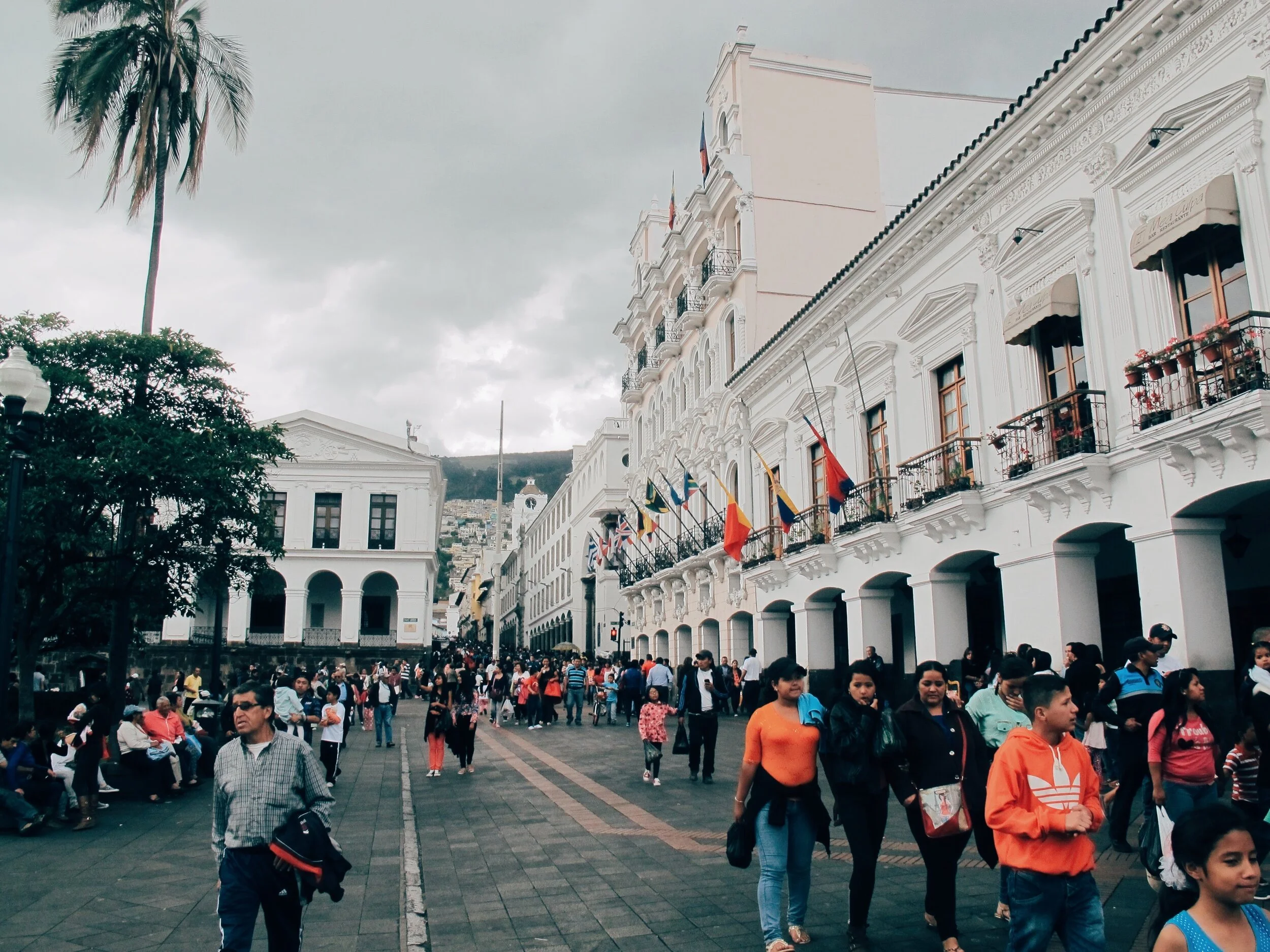
What Quito’s August Youth Month Includes
Every August, Quito sets aside programming for its young population, and the 2026 edition gathers more than 50 free activities across the Ecuadorian capital. The agenda spans technology, culture, sport, leadership and entrepreneurship, and runs the full month at sites in the north, centre and south of the city.
The initiative is presented by the Municipality of Quito as part of what it calls the “Mes de las Juventudes,” or Youth Month. The stated aim is to widen the spaces where young people can train, take part and connect, rather than concentrate everything in a single district or venue.
At the launch, Mayor Pabel Muñoz said the programme is meant to turn August into a month dedicated to innovation, employment, education, culture and youth participation. For a foreign reader, that framing signals a city-run civic effort rather than a private festival.
A Technology Track Built Around Employable Skills
One pillar of the programme is digital training. Through August, the city is running free workshops on application development, programming in Python, and version control with Git and GitHub, alongside sessions on data analysis and artificial intelligence.
The technology agenda also reaches into online safety, with classes on cybersecurity and protecting one’s digital identity. These are practical, employability-focused skills rather than purely recreational offerings.
The workshops are hosted at the iQ Innovation Centre and ConQuito, the city’s economic-development agency, and are also delivered through virtual platforms. That hybrid format lets young people outside the central districts join without traveling across the city.
Culture, Sport and Community Gatherings
Beyond the classroom, the calendar leans heavily on culture and recreation. Listed events include the Fiesta del Sol Norte, a Varieté and After Circo show, Wambras Chef, a Puppy Yoga Fest and a Wambras Talento Fest showcasing young performers.
The month also carries a civic-recognition element in the Premios Dolores Veintimilla, named after the 19th-century Ecuadorian poet. Additional activities are designed to strengthen youth leadership, entrepreneurship and community participation.
Taken together, the cultural strand is meant to give young Quiteños both stages to perform on and spaces to gather, complementing the more skills-driven technology track.
A Hackathon Focused on La Mariscal
Among the standout events is a hackathon that brings in universities from across the city. Participating teams are challenged to design technology-based proposals to improve safety in La Mariscal, the well-known nightlife and tourism district north of the colonial centre.
For expats, La Mariscal — long nicknamed “Gringolandia” — is one of the most familiar parts of Quito, home to hostels, bars and restaurants. Channeling a youth hackathon toward its security is a pointed choice that ties the programme to a real, everyday urban concern. Coverage of the wider agenda has appeared in outlets such as Teleamazonas.
How Newcomers and Foreign Families Can Take Part
Because the activities are municipal and free, they are broadly open to residents, including expats and their children who fall within the youth bracket. Details for each event — schedules, locations and any registration — are published through the city’s channels and local news outlets.
Ecuador’s use of the US dollar removes a common friction for newcomers: there is no currency to convert and, in this case, no admission to pay. That makes the programme an easy, low-risk way for a foreign family to sample Quito’s civic and cultural life.
The youth month also sits inside a wider municipal push. Quito has been promoting a broader “Verano de las Artes” season of free cultural programming, so the August youth agenda is one strand of a larger effort to keep the city’s public spaces active through the Andean winter.
More: Ecuador news in English, every day from The Rio Times.
Frequently Asked Questions
What is Quito’s Youth Month in August 2026?
It is a municipal programme of more than 50 free activities for young people, presented by the Municipality of Quito as its “Mes de las Juventudes.” It runs throughout August 2026 and spans technology, culture, sport, leadership and entrepreneurship.
Are the activities really free, and who can take part?
Yes. The activities are organized by the city and are free to attend, aimed at young people across Quito. Because Ecuador uses the US dollar, there is no currency to convert and no admission cost.
Where do the activities take place?
Events are spread across the north, centre and south of Quito. Technology workshops are held at the iQ Innovation Centre, ConQuito and online, while cultural and sports events use public venues around the city.
Sources: Teleamazonas; Municipio de Quito.
This article was produced by The Rio Times’ automated newsroom system. How we use AI · Report an error
Read More from The Rio Times