Q2 2025: Eneva, Ultrapar, and Allos Show Different Paths in Brazil
Three of Brazil's most notable companies—Eneva, Ultrapar, and Allos—reported strikingly different performances in the second
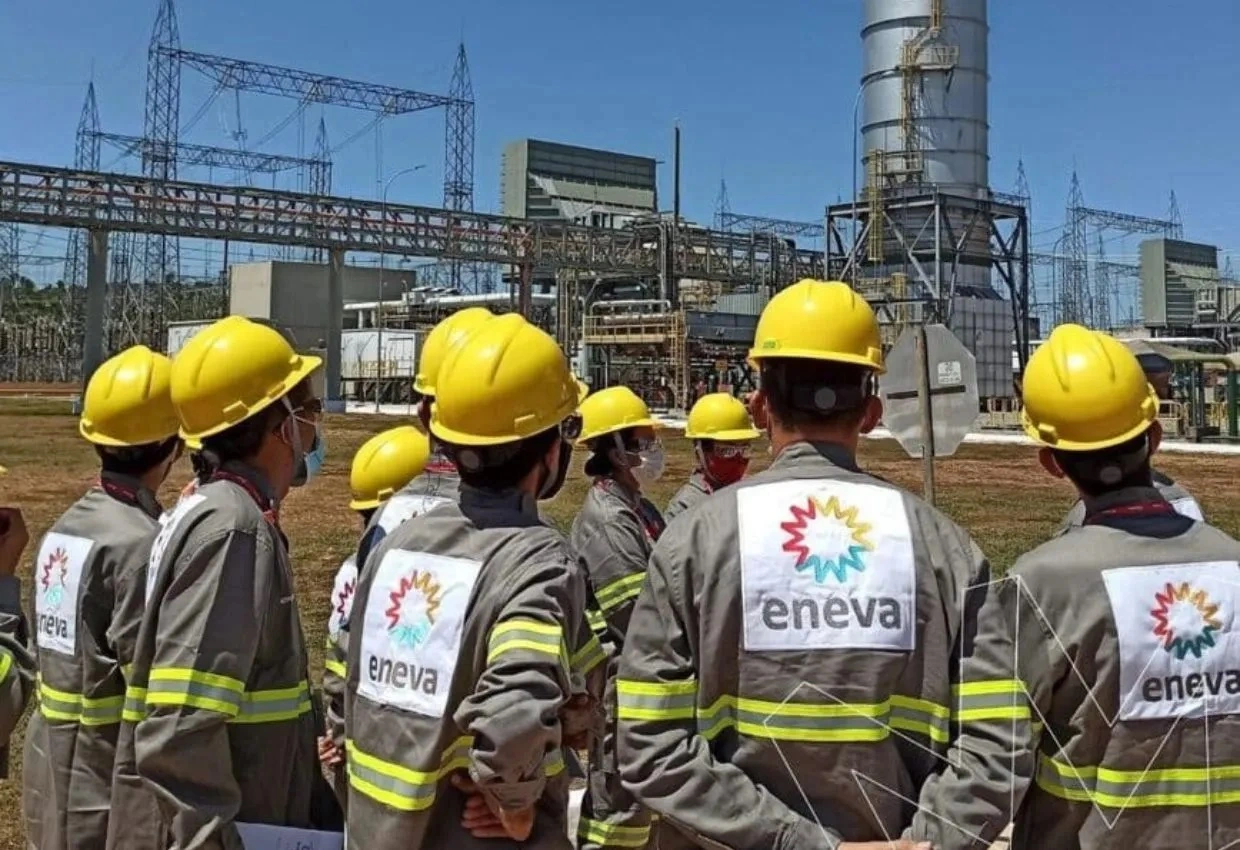
Three of Brazil’s most notable companies—Eneva, Ultrapar, and Allos—reported strikingly different performances in the second quarter of 2025.
These official earnings results highlight not only profit and loss, but also the strategies and economic realities in Brazil’s energy, fuel, and shopping center sectors.
Eneva: Energy Producer’s Record Sales, Profit Pressures
Eneva, a major energy producer focusing on electricity and natural gas, saw its quarterly sales jump to R$3.5 billion ($616 million). That is an 81% increase from a year ago.
Profits dropped sharply though, with net income at R$364 million ($64 million)—down 66% from R$1.07 billion ($188 million) in Q2 2024. The company smashed previous records in operational earnings, with EBITDA of R$1.67 billion ($292 million), up 56% year over year.
However, depreciation, higher financing costs, and tax changes pulled down the bottom line. Eneva cut its net debt by 14% to R$15.3 billion ($2.7 billion) and invested a heavy R$1.6 billion ($281 million) this quarter, almost double last year.
All of this highlights Eneva’s priorities: expand generating capacity, modernize assets, and prepare for Brazil’s changing electricity needs, even at the cost of short-term profit dips.
Their bet is that these current investments and debts will turn into future growth and improved profitability as demand rises and costs are spread out over more production.
Ultrapar: Fuel and Chemical Giant’s Profit Surge
Ultrapar, one of Brazil’s largest fuel and chemicals groups, logged a net income of R$1.15 billion ($202 million). This more than doubled last year’s R$491 million ($86 million).
Official projections for revenue hovered around R$33 billion ($5.8 billion). Operating profits (EBITDA) were a strong R$2.1 billion ($368 million). Most of the gain came from higher fuel sales volumes and strict cost management.
The company’s board approved a dividend of R$326 million ($57 million) for shareholders. Ultrapar has focused recently on efficiency and market expansion, allowing it to weather price swings and inflation better than some of its peers.
Analysts point to improvements in working capital discipline and stabilizing markets for its main products as reasons for the sharp rebound.
Ultrapar’s case shows how companies with diversified, essential offerings and strong cost discipline can thrive—even as Brazil’s consumer demand and global commodity prices remain volatile.
Allos: Shopping Mall Leader Faces Profit Challenges—But Sales Hold Firm
Allos is the country’s largest shopping mall operator. In Q2 2025, Allos recorded net profit of R$186 million ($33 million), which was down 39% compared to last year.
This slide is mostly due to much higher financial costs—a result of Brazil’s persistently high interest rates—and the lack of repeat gains from one-off asset sales in 2024.
Still, Allos’s operational cash flow (FFO) came in at R$305 million ($54 million), which barely changed from the prior year. That shows resilient core operations: overall tenant sales reached R$10.1 billion ($1.77 billion), up 9.5% year over year.
Same-store sales rose 7.1%. The company issued over R$4 billion ($702 million) in long-term, lower-rate debt to secure liquidity, and issued R$2.5 billion ($439 million) in new debentures this July.
This let them refinance costs and prepare for future projects. Allos increased its estimates for new project receipts to R$433 million ($76 million) through 2036. Management is cautious about new investments or sales, focusing on stable cash flow given Brazil’s high rates.
Live Company IntelligenceEneva S.A — the full investor dossier
Valuation & profitability
Price & risk
$16.3052-wk high
$32.02
Revenue trend · 6y
Ownership
Dividend
This article was produced by The Rio Times’ automated newsroom system. How we use AI · Report an error · Editorial responsibility: Matthias Camenzind, Editor-in-Chief
LatAm Markets: Live Signals → — real-time movers, turnover leaders and FX across Latin America.