Brazil Q2 2025: SLC Agrícola, Casas Bahia, and Hapvida Face Contrasts in a Shifting Economy
Brazil’s latest financial reports from SLC Agrícola, Casas Bahia, and Hapvida, all released in August 2025, reveal the real-world
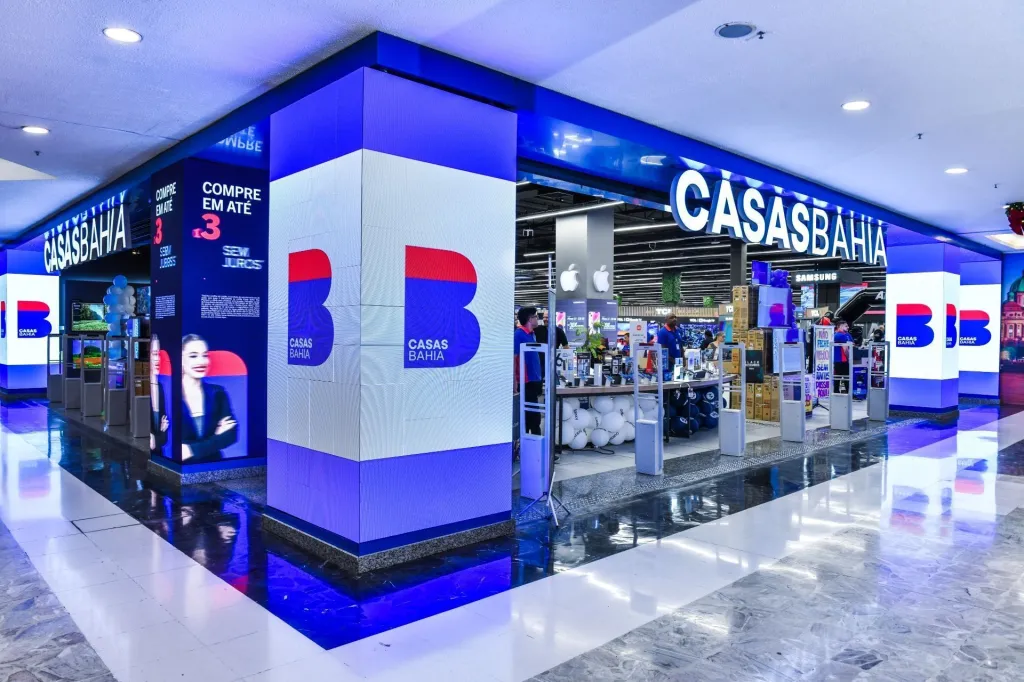
Brazil’s latest financial reports from SLC Agrícola, Casas Bahia, and Hapvida, all released in August 2025, reveal the real-world challenges and adjustments for three very different companies.
SLC Agrícola is a major Brazilian agricultural producer. Casas Bahia is a leading retailer specializing in consumer goods and home appliances. Hapvida operates as one of Brazil’s largest healthcare plan providers.
SLC Agrícola – Strong Revenue Growth but Shrinking Margins
SLC Agrícola raised its earnings power in Q2 2025. The company saw its adjusted EBITDA climb to about R$557 million ($98 million). This means it generated more profit from its core operations before accounting for taxes and interest.
Net profit, however, fell sharply to R$140 million ($25 million), about half of what it made a year ago, despite being slightly ahead of analyst forecasts. Net revenue increased by 38% to R$1.9 billion ($333 million).
SLC attributed the revenue jump to favorable rain and improved yields, especially for cotton and second-crop corn. Corn yields are projected to grow by 17% over the previous crop and sit 36% higher than the national average.
SLC also expanded its reach: it took over Sierentz Agro, adding 100,000 hectares to its planting area, and began a new irrigation project in Bahia.
Despite strong growth and operational improvements, heavier costs and tough markets squeezed the company’s profits. The story behind the strong revenue is margin pressure—a theme typical in a global agricultural supply chain buffeted by uncertain commodity prices and input costs.
Casas Bahia – Retail Resilience Undermined by Debt Costs
For Casas Bahia, the second quarter was about steady sales growth but painful financial costs. The retailer reported a net loss of R$555 million ($97 million), swinging from a modest profit a year earlier.

Higher interest rates in Brazil and the loss of a large one-off gain last year drove losses. However, operationally, things improved: adjusted EBITDA rose to R$572 million ($100 million) and sales grew 6% to R$6.9 billion ($1.2 billion).
The company kept a tight lid on expenses, cut general and administrative costs by almost 3%, and managed to increase its gross merchandise volume.
Marketplaces grew, own-stock sales improved, and the company generated R$6.3 billion ($1.1 billion) in physical store sales despite closing 30 stores in 12 months.
Most importantly, Casas Bahia restructured its finances and won a new controlling investor, Mapa Capital, which now owns a majority stake.
This move reduced debt by 40%, dropped its net debt to EBITDA ratio from 1.8 to 1.1, and provides expected financial relief of R$400 million ($70 million) over the next two years.
While growth remains, the real story for Casas Bahia is the steep ongoing cost of funding, emphasizing how financial structure and borrowing costs matter as much as operations in Brazil’s retail sector.
Hapvida – Growth in Clients and Revenue but Heavy Cost Pressures
Hapvida outlined a quarter of slow revenue gains but major pressure on profit. The health insurer and operator saw adjusted net profit plummet to R$149 million ($26 million)—a nearly 70% drop and below market forecasts.
Its adjusted EBITDA was R$703 million ($123 million), and would have reached R$905 million ($159 million) if not for a one-time regulatory cost.
Total revenue improved 7% to R$7.7 billion ($1.4 billion), mainly due to pricing increases and an uptick in new health plan subscribers (up by 58,000).
The cash claims ratio, a key measure of how much the company spends on paying health costs, climbed to almost 74%. This signals rising expenses and the difficulty of balancing affordable plans with higher medical and regulatory costs.
The story behind these figures is familiar in healthcare worldwide: rising claims and operating expenses eat quickly into profits, even as the client base and revenue grow.
For Hapvida, holding the line on costs and finding room to grow margins has never been more important.
Live Company IntelligenceSLC Agrícola S.A — the full investor dossier
Valuation & profitability
Price & risk
$12.5852-wk high
$19.48
Revenue trend · 6y
Ownership
Dividend
This article was produced by The Rio Times’ automated newsroom system. How we use AI · Report an error · Editorial responsibility: Matthias Camenzind, Editor-in-Chief
LatAm Markets: Live Signals → — real-time movers, turnover leaders and FX across Latin America.