PayJustNow Owner Faces Bad Debt Risk and DebiCheck Payment Friction
Update — Friday 18 September 2026
Since this article was published, Weaver Fintech has started rolling out PayJustNow Mobile, its own mobile network on Cell C infrastructure, with airtime and data rewards tied to repayment behaviour. July arrears measures improved 13 percent, the first sign the credit tightening is taking hold. Read our coverage of the PayJustNow Mobile launch.
South Africa latest: PayJustNow owner: bad-debt risk now in the numbers · Tembisa kingpin arrested on SARS tax charges · Ferroglobe smelter: the tariff endgame
South Africa · FINANCE
Key Facts
—Ownership structure: Weaver Fintech, the Mauritian subsidiary of HomeChoice International, acquired an 85 percent stake in PayJustNow in 2022.
—User scale: PayJustNow reported 2.5 million users in March 2025 and was adding 100,000 customers a month, according to Disrupt Africa.
—Default performance: PayJustNow told ITWeb it maintained a default rate below 2 percent of gross merchandise value since inception.
—DebiCheck timeline: DebiCheck went live in August 2018 and became fully operational on 1 November 2021, replacing older early debit order systems.
—DebiCheck purpose: The South African Reserve Bank designed DebiCheck to verify consumer debit mandates up front and reduce unauthorized debit-order abuse.
—Key drawback: Industry and bank sources say DebiCheck adds administrative friction, slows onboarding, and can lower collection success when customers lack funds on debit day.
PayJustNow bad debts are emerging as a key pressure point for the South African buy now, pay later platform, whose rapid growth now collides with a tougher collections environment shaped by DebiCheck authentication rules and stretched consumer finances.
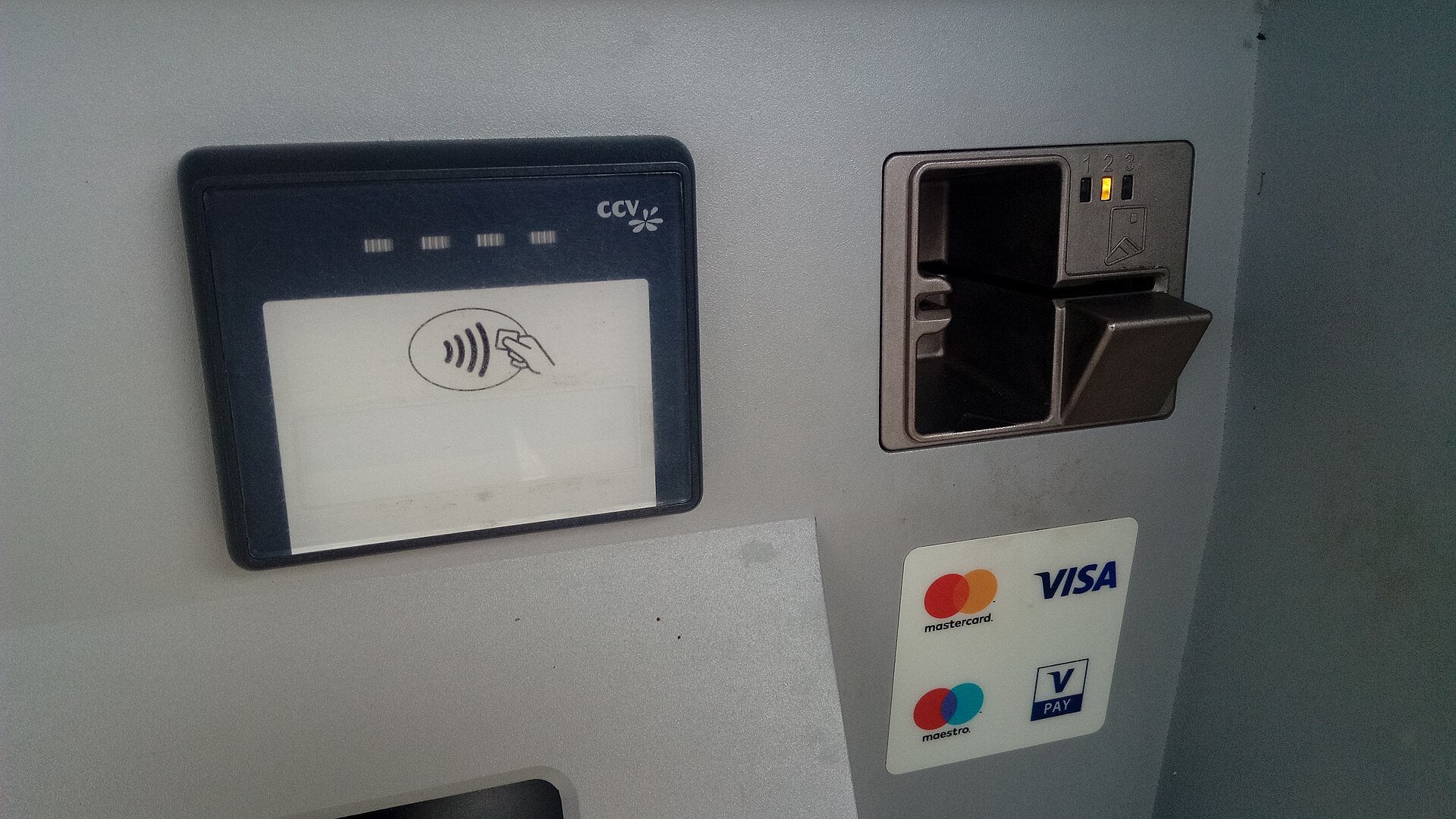
Who owns PayJustNow and how fast it has grown
PayJustNow was acquired in 2022 by Weaver Fintech, the Mauritian financial-services subsidiary of HomeChoice International, which took an 85 percent stake in the business. The company has scaled quickly since then, reaching 2.5 million users by March 2025 and adding 100,000 customers a month, according to Disrupt Africa.
Disrupt Africa identifies Craig Newborn as PayJustNow’s founder and former chief executive. Greg van der Riet and Dean Hyde are both listed among the company’s current leadership, though PayJustNow does not publish their titles.
That expansion has made PayJustNow one of the more visible buy now, pay later operators in South Africa. But the model depends on collecting many small consumer repayments reliably, which leaves it exposed when customers fall behind or when collection rails become less forgiving.
The default picture and where PayJustNow bad debts pressure comes from
PayJustNow has defended its underwriting publicly, telling ITWeb that it maintained a default rate below 2 percent of gross merchandise value since inception, even under cost-of-living pressure. Another industry piece similarly reported the company at just under 2 percent in defaults.
The commercial risk is not that PayJustNow is publicly known to be in distress, but that its model is exposed to credit-loss pressure in a weak consumer environment. Buy now, pay later providers can grow quickly when approvals are easy, yet they carry repayment risk among consumers with thin or volatile cash flows.
In South Africa, that risk is heightened by a payment landscape where cash remains important, digital adoption is constrained by fees and infrastructure, and many consumers still experience payment frictions in low-income and township markets. The World Bank describes the country’s financial-consumer landscape as complex and fragmented, with overlapping ombud structures and inconsistent access across products.
What DebiCheck was meant to fix and why it creates friction
DebiCheck was rolled out in phases from late 2017, and the older authenticated and non-authenticated early debit order systems were discontinued on 1 November 2021. The South African Reserve Bank says DebiCheck was designed to verify consumer debit mandates up front and reduce abuse.
The system helps businesses by making fraudulent or unauthorized debit-order reversals harder, because the mandate is authenticated by the consumer’s bank. But it hurts some merchants by adding friction at onboarding, increasing the chance that a customer never completes mandate approval.
Industry and bank sources say DebiCheck can create more administration, slower onboarding, and lower collection success because customers must approve the mandate before collection starts. ITWeb also notes that the initial DebiCheck roll-out suffered from inconsistent rule interpretation across banks and systems operators.
Why the collections game has changed for South African lenders
DebiCheck changes the collections game in two opposite ways. It reduces unauthorized debit-order abuse, but it does not solve problems caused by customers simply not having money in the account on debit day.
That trade-off is especially relevant to buy now, pay later and consumer-lending firms, whose profitability depends on getting large numbers of small-ticket repayments through efficiently. When authentication adds steps, conversion can drop and arrears or write-offs can rise even if fraud falls.
The South African Reserve Bank’s digital-payments roadmap highlights obstacles including interoperability gaps, legacy systems, financial exclusion, and digital-literacy constraints. Treasury and other policy documents similarly stress that cash remains widely used and that inclusion efforts must fit low-income users and non-bank participants better.
The wider struggle over payment rails and consumer data
The geopolitics here is less about sanctions or direct state rivalry and more about who controls payment infrastructure, credit rails, and data. The International Monetary Fund notes that digital payments in sub-Saharan Africa create efficiency gains but also competition, governance, privacy, cybersecurity, and money-laundering concerns.
That matters because payments infrastructure is becoming strategic: whoever controls rails, identity, settlement data, and consumer credit origination can shape market access and consumer behavior. For South Africa, this sits inside a broader contest between domestic incumbents protecting established banking infrastructure, fintechs seeking lower-friction growth, and regulators trying to expand inclusion while reducing systemic risk.
This private-sector infrastructure struggle inside a major African economy has external relevance because South Africa is a regional payments hub and a test case for how emerging markets manage digital credit and mandate authentication. The outcome will shape how other African markets approach the same tension between growth and collections discipline, a theme explored in Africa: The New Scramble.
What to watch next for PayJustNow and South African BNPL
The key indicator to watch is whether PayJustNow can keep its default rate below 2 percent of gross merchandise value while still adding customers at the pace reported in March 2025. Any upward drift in arrears would signal that the collections environment is biting harder than the company’s public statements suggest.
Regulatory attention is also likely to intensify. The South African Reserve Bank has already warned about buy now, pay later risks, and PayJustNow was among the firms that defended the model after that warning, according to ITWeb.
For investors and merchants, the PayJustNow story is a live test of whether South African buy now, pay later can sustain rapid growth without a painful rise in bad debts. The answer will depend on how well the company manages the friction DebiCheck has introduced into the very collections process its business model relies on.
More: South Africa news in English, every day from The Rio Times.
The big picture: South Africa explained — economy, politics, society and daily life in one read.
Frequently Asked Questions
Who owns PayJustNow?
Weaver Fintech, the Mauritian financial-services subsidiary of HomeChoice International, acquired an 85 percent stake in PayJustNow in 2022.
What is PayJustNow’s reported default rate?
PayJustNow told ITWeb it maintained a default rate below 2 percent of gross merchandise value since inception.
Why does DebiCheck create problems for buy now, pay later firms?
DebiCheck adds authentication friction and administrative steps, which can lower conversion and collection success when customers lack funds on debit day.
Connected Coverage
For more on how African payment infrastructure and consumer credit are becoming strategic battlegrounds, read Africa: The New Scramble.
{“@context”:”https://schema.org”,”@type”:”FAQPage”,”mainEntity”:[{“@type”:”Question”,”name”:”Who owns PayJustNow?”,”acceptedAnswer”:{“@type”:”Answer”,”text”:”Weaver Fintech, the Mauritian financial-services subsidiary of HomeChoice International, acquired an 85 percent stake in PayJustNow in 2022.”}},{“@type”:”Question”,”name”:”What is PayJustNow’s reported default rate?”,”acceptedAnswer”:{“@type”:”Answer”,”text”:”PayJustNow told ITWeb it maintained a default rate below 2 percent of gross merchandise value since inception.”}},{“@type”:”Question”,”name”:”Why does DebiCheck create problems for buy now, pay later firms?”,”acceptedAnswer”:{“@type”:”Answer”,”text”:”DebiCheck adds authentication friction and administrative steps, which can lower conversion and collection success when customers lack funds on debit day.”}}]}
Sources
Update, September 2026: The Bad-Debt Risk Is Now in the Numbers
Weaver Fintech’s interim results for the six months to 30 June 2026, published in August, confirm the pressure this article flagged — and show how management is responding.
- Group revenue rose 9.6% to R2.85 billion, with the fintech division (which includes PayJustNow) growing revenue 30% to R2.07 billion. The legacy retail arm shrank 22% to R786 million.
- Profit before tax fell 8.9% to R337 million, squeezed by debtor costs that jumped 44% to R1.23 billion across the group — and 62% to R1.01 billion inside fintech.
- Provisions were raised deliberately: the expected credit loss ratio went to 17.3% of the fintech book (from 14.7% at year-end), adding R259 million to debtor costs, and coverage of stage 2 and 3 loans was lifted by 400 basis points to 71.9%.
- No interim dividend was declared, with the board saying it is preserving capital while credit performance normalises.
The corrective actions are specific. Weaver cut its targeted lending approval rate from 81.4% to 75.8%, reduced customer credit-limit exposure by R700 million, shortened average loan terms from 13.1 to 12.6 months, and slowed second-quarter disbursement growth to 6% — from 28% a year earlier. Early indicators are turning: July’s roll rates into arrears improved 13% across all lending products.
On the payment-friction side, the DebiCheck shift is measurable: DebiCheck-authenticated collections now account for 48% of retail collections (up from 35%), with an 82.5% success rate — the system’s answer to the debit-order failures described below.
PayJustNow itself remains the group’s crown jewel: South Africa’s number-one BNPL provider, with 3,850 merchants, 17,600 points of presence, and — critically — capital at risk consistently below 2% of gross merchandise value. Weaver is now building on that base with “PJN Mobile,” a mobile-network partnership for airtime and data that soft-launches in the third quarter of 2026. The question for the second half is whether July’s improving roll rates hold long enough for lending growth to resume.
This article was produced by The Rio Times’ automated newsroom system. How we use AI · Report an error
LatAm Markets: Live Signals → — real-time movers, turnover leaders and FX across Latin America.
Read More from The Rio Times