Panama’s Economy Grows 2.9% in 2024 Despite Major Mining Closure
Panama’s National Institute of Statistics and Census reported a 2.9% economic growth for 2024, showing resilience despite significant challenges. This growth rate marks a considerable slowdown from the robust 7.3% expansion recorded in 2023.
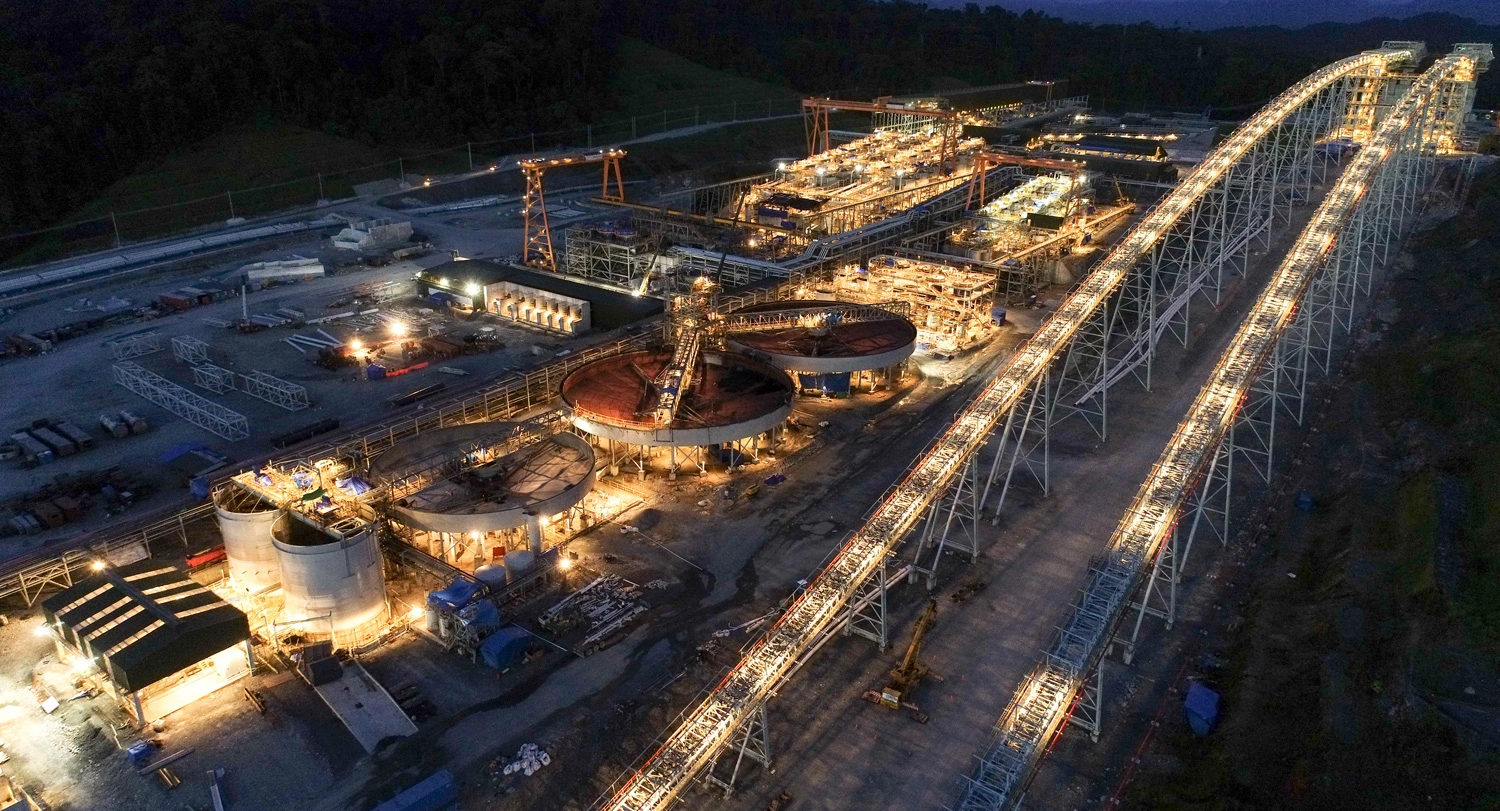
The closure of the Cobre Panama copper mine severely impacted the economy. The Supreme Court declared the mine’s contract unconstitutional in late 2023, shutting down operations that contributed nearly 5% to Panama’s GDP and represented 75% of its exports.
Experts estimate the mine closure cost Panama approximately $4 billion annually and affected up to 54,000 jobs. The shutdown particularly hurt the mining sector alongside air transportation, which both experienced negative performance.
The Panama Canal helped offset some losses by increasing toll revenues despite facing water level restrictions. Commercial activities in the Colon Free Trade Zone showed positive growth along with financial services, construction, real estate, tourism, and agriculture.
Panama’s economy relies heavily on services, which account for approximately 80% of GDP. This diversification has historically helped the country withstand external shocks better than regional neighbors.
President José Raúl Mulino, who took office in July 2024, launched several initiatives to stimulate growth. His administration focuses on infrastructure projects, including a $5 billion rail line expected to generate 6,000 new jobs.
Panama’s Economic Outlook
Financial challenges continue as the fiscal deficit widened to approximately 4.6% of GDP in 2024. Fitch downgraded Panama’s sovereign risk rating from BBB— to BB+ in March, creating additional economic pressure.
Looking forward, Panama expects accelerated growth starting in 2025 if it maintains attractiveness for foreign investment. The International Monetary Fund projects medium-term growth around 4%, outperforming regional averages.
Panama maintains its status as one of the world’s first carbon-negative countries. Its forests capture more carbon than the nation emits, highlighting its environmental commitment amid economic transitions.
Despite significant economic progress over decades, Panama still faces challenges with inequality. Poverty rates have fallen dramatically from 48.2% in 1991 to 12.9% in 2023, but distribution of wealth remains uneven, particularly affecting indigenous communities.
More: Latin America news in English, every day from The Rio Times.
This article was produced by The Rio Times’ automated newsroom system. How we use AI · Report an error · Editorial responsibility: Matthias Camenzind, Editor-in-Chief