IBOV 206,911.89 ▲ 7.70% IPSA 11,124.65 ▲ 1.91% IPC MEX 64,327.79 ▼ 0.32% MERVAL 2,869,488 ▲ 3.68% COLCAP 2,582.65 ▲ 2.69% BVL PERÚ 59,860.04 ▲ 0.60% USD/BRL5.00▼ 4.11% USD/MXN18.07▼ 0.53% USD/CLP970.78▼ 1.99% USD/COP3,203▼ 1.57% USD/PEN3.44▲ 0.16% USD/ARS1,520▼ 0.32% USD/UYU40.34▼ 0.30% USD/PYG5,844▲ 0.40% USD/BOB11.95▲ 0.17% USD/DOP60.17▲ 0.45% USD/CRC455.71▼ 0.15% USD/GTQ7.63▼ 0.09% USD/HNL26.86▼ 0.01% USD/NIO36.62— 0.00% USD/VES870.21▼ 0.01% USD/PAB1.00— 0.00% USD/BZD2.00— 0.00% USD/JMD 157.28 — 0.00% USD/TTD6.68▼ 0.14% EUR/BRL5.60▼ 4.79% BRENT 88.88 ▼ 0.03% WTI 83.11 ▼ 0.11% IRON ORE 161.91 — — COPPER 6.61 ▲ 0.03% GOLD 4,461 ▲ 1.78% SILVER 65.59 ▲ 1.26% SOY 1,184 ▲ 3.20% CORN 480.50 ▲ 10.02% WHEAT 655.00 ▲ 3.93% COFFEE 317.25 ▼ 5.51% SUGAR 16.43 ▼ 1.79% ORANGE JUICE 138.55 ▼ 0.47% COTTON 85.03 ▲ 2.33% COCOA 5,719 ▲ 3.18% BEEF 223.60 ▼ 3.93% CATTLE 339.10 ▼ 3.16% LITHIUM 75.20 ▲ 1.47% PETR4 41.64 ▼ 0.05% VALE3 72.97 ▲ 0.83% ITUB4 38.60 ▼ 1.03% BBDC4 16.85 ▲ 0.36% ABEV3 14.89 ▼ 0.80% BBAS3 19.37 ▲ 0.47% B3SA3 14.26 ▼ 0.21% WEGE3 47.59 ▲ 0.49% PRIO3 59.14 ▼ 0.19% SUZB3 41.33 ▲ 2.35% RENT3 34.68 ▼ 0.09% AZZA3 15.89 ▼ 2.63% CSAN3 3.22 ▼ 1.83% RAIZ4 0.25 — 0.00% PCAR3 2.75 ▼ 0.36% GMAT3 3.65 ▼ 1.08% PSSA3 48.13 ▼ 0.54% CVCB3 1.33 ▼ 2.92% POSI3 3.36 ▲ 2.44% SLCE3 13.34 ▲ 0.30% NATU3 8.14 ▼ 0.73% IBOV 206,911.89 ▲ 7.70% IPSA 11,124.65 ▲ 1.91% IPC MEX 64,327.79 ▼ 0.32% MERVAL 2,869,488 ▲ 3.68% COLCAP 2,582.65 ▲ 2.69% BVL PERÚ 59,860.04 ▲ 0.60% USD/BRL 5.16 ▲ 0.01% USD/MXN 17.06 ▼ 0.24% USD/CLP 913.98 ▲ 0.04% USD/COP 3,140 ▲ 0.03% USD/PEN 3.36 ▼ 0.66% USD/ARS 1,493 ▲ 0.10% USD/UYU 40.27 ▲ 1.24% USD/PYG 5,939 ▲ 1.68% USD/BOB 11.64 ▼ 0.76% USD/DOP 58.34 ▲ 1.25% USD/CRC 445.92 ▲ 0.89% USD/GTQ 7.62 ▲ 2.21% USD/HNL 26.79 ▲ 1.57% USD/NIO 36.62 ▲ 0.69% USD/VES 762.44 ▼ 0.13% USD/PAB 1.00 — 0.00% USD/BZD 2.00 — 0.00% USD/JMD 157.28 — 0.00% USD/TTD 6.70 ▲ 0.61% EUR/BRL 5.95 ▲ 1.01% BRENT 88.88 ▼ 0.03% WTI 83.11 ▼ 0.11% IRON ORE 161.91 — — COPPER 6.61 ▲ 0.03% GOLD 4,461 ▲ 1.78% SILVER 65.59 ▲ 1.26% SOY 1,184 ▲ 3.20% CORN 480.50 ▲ 10.02% WHEAT 655.00 ▲ 3.93% COFFEE 317.25 ▼ 5.51% SUGAR 16.43 ▼ 1.79% ORANGE JUICE 138.55 ▼ 0.47% COTTON 85.03 ▲ 2.33% COCOA 5,719 ▲ 3.18% BEEF 223.60 ▼ 3.93% CATTLE 339.10 ▼ 3.16% LITHIUM 75.20 ▲ 1.47% PETR4 41.64 ▼ 0.05% VALE3 72.97 ▲ 0.83% ITUB4 38.60 ▼ 1.03% BBDC4 16.85 ▲ 0.36% ABEV3 14.89 ▼ 0.80% BBAS3 19.37 ▲ 0.47% B3SA3 14.26 ▼ 0.21% WEGE3 47.59 ▲ 0.49% PRIO3 59.14 ▼ 0.19% SUZB3 41.33 ▲ 2.35% RENT3 34.68 ▼ 0.09% AZZA3 15.89 ▼ 2.63% CSAN3 3.22 ▼ 1.83% RAIZ4 0.25 — 0.00% PCAR3 2.75 ▼ 0.36% GMAT3 3.65 ▼ 1.08% PSSA3 48.13 ▼ 0.54% CVCB3 1.33 ▼ 2.92% POSI3 3.36 ▲ 2.44% SLCE3 13.34 ▲ 0.30% NATU3 8.14 ▼ 0.73%
since 2009
Tuesday, October 6, 2026

Opinion: Why Brazilians Don’t Bank on Dollars

By · September 27, 2023 · 2 min read

(Opinion) Brazil’s Real Plan in the 1990s achieved two remarkable things. First, it halted a long spell of inflation.

Second, it averted the dollar’s grip on the economy, a path Argentina took with its Convertibility Plan.

Unlike Argentina, where the dollar rules, Brazil shuns the U.S. currency. Walk into a shop in São Paulo or Rio, and you’ll notice prices are in reais, not dollars.

So why the disparity? To understand, let’s go back a few decades. From the ’60s to the ’90s, Brazil faced persistent inflation.

High interest rates set by the U.S. Federal Reserve triggered a payment crisis. Multiple stabilization attempts failed. Despite this, the dollar didn’t become a go-to currency.

The LatAm Brief

One email, every weekday morning. What moved in Latin American markets, politics and expat life.

Yesterday’s subject line: “Brazil runoff set: Flávio 47%, Lula 45%, 25 October”

Free. We send a confirmation link first — nothing arrives until you click it. Unsubscribe with one click in any edition. If you stop opening us for 30 days we stop sending by ourselves, as we assume the interest is no longer there. See our privacy policy. We never share your email.

Brazil had its own tricks. Not just laws preventing individuals from buying dollars, but also a unique financial tool.

This was the ORTN, an inflation-indexed bond. Its value adjusted monthly based on inflation rates.
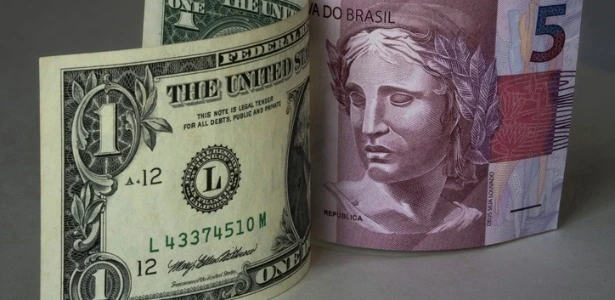
Why Brazilians Don't Bank on Dollars.
Why Brazilians Don’t Bank on Dollars.
RT
Ask Rio Times
17 years of Latin America reporting, on demand.
Open the full Ask Rio Times →

This clever tool was a game-changer. It was used in financial contracts and corporate pricing, among other things.

Now, economists Persio Arida and André Lara-Resende had a bright idea. Use the ORTN as the core of a new stabilization plan.

First, index everything—wages, rents, and other prices—to the ORTN. Then, replace the national currency, the cruzeiro, with the ORTN.

Once that was done, all prices would be stable in the new currency, no longer indexed and prone to inflation.

The Real Plan

This way, the Real Plan curbed inflation and steered clear of dollarization.

It gave Brazilians a stable currency in which to invest, without surrendering control to the U.S. dollar.

Today, Brazil doesn’t face the same kind of currency crises that plague its neighbors. It’s a lesson in the value of homegrown financial innovation.

Even when their currency depreciates against the dollar, the impact on domestic prices remains low.

So the next time you wonder why Brazilians don’t think in dollars, remember the ingenious Real Plan.

It’s not just a past success story; it’s a lesson for other countries in how to manage an economy smartly.

It also serves as a cautionary tale for nations like Argentina, still shackled to the dollar.

Brazil’s unique strategy offers a pathway for economic stability, independent of foreign currencies.


This article was produced by The Rio Times’ automated newsroom system. How we use AI · Report an error · Editorial responsibility: Matthias Camenzind, Editor-in-Chief

Read More from The Rio Times

The Rio Times · Power Map
See who really holds power in Latin America
Click to open the Power Map →

Rotate for Best Experience

This report is optimized for landscape viewing. Rotate your phone for the full experience.