Nigeria Power Sector Bond Raises US$548 Million
NIGERIA · POWER
Key Facts
- —What happened Nigeria signed off on the second tranche of a bond issued to clear old debts owed to its electricity generating companies. The announcement came on 15 September 2026.
- —How much ₦728.97 billion, about US$548 million at the official window rate of ₦1,329.50 to the dollar on 15 September.
- —Who owes the money NBET Finance Company Plc, a vehicle of Nigerian Bulk Electricity Trading Plc. The federal government guarantees it.
- —Who arranged it CardinalStone, acting as issuing house. The firm is the adviser, not the borrower.
- —The terms Seven years, amortising, clearing at 18.0%.
- —What it is for Settling legacy debt owed to generating companies, so they can pay for gas and maintain plants.
Nigeria’s power stations have been owed money for years. The government has now borrowed half a billion dollars to start paying them.

Nigeria completed a ₦728.97 billion power sector bond, about US$548 million, with the signing announced on 15 September 2026. The proceeds settle legacy debts owed to electricity generating companies.
What Was Issued
The issuer is NBET Finance Company Plc, a special purpose vehicle of Nigerian Bulk Electricity Trading Plc.
It issued under a ₦4 trillion multi-instrument issuance programme, roughly US$3.01 billion, set up for the Presidential Power Sector Debt Reduction Programme.
The tenor is seven years and the bond amortises. It cleared at 18.0%.
The federal government stands behind it with a full faith and credit guarantee.
Cash and Paper
The ₦728.97 billion splits two ways.
₦402 billion, about US$302 million, is cash raised from investors.
₦326.97 billion, some US$246 million, is issued directly to generating companies in settlement of what they are owed.
That second half never touches the market. It converts an unpaid invoice into a tradeable seven-year instrument.
The Timeline
The book opened on 3 August 2026 and closed on 14 August.
Price guidance was 17.85% to 17.95%. It cleared at 18.0%, so investors required a little more yield than guided.
The funding date was 24 August.
What happened on 15 September was the signing and the public announcement, not the close.
Phase One Is Now Complete
Series 1 raised ₦501.02 billion, about US$377 million, in January 2026 at a 17.50% coupon over seven years.
It was also split, ₦300 billion in cash and ₦201.02 billion in paper to generating companies.
Series 1 listed on FMDQ Exchange on 12 May 2026.
The two series together come to ₦1.23 trillion, roughly US$925 million.
Why Nigeria Owes Its Power Stations
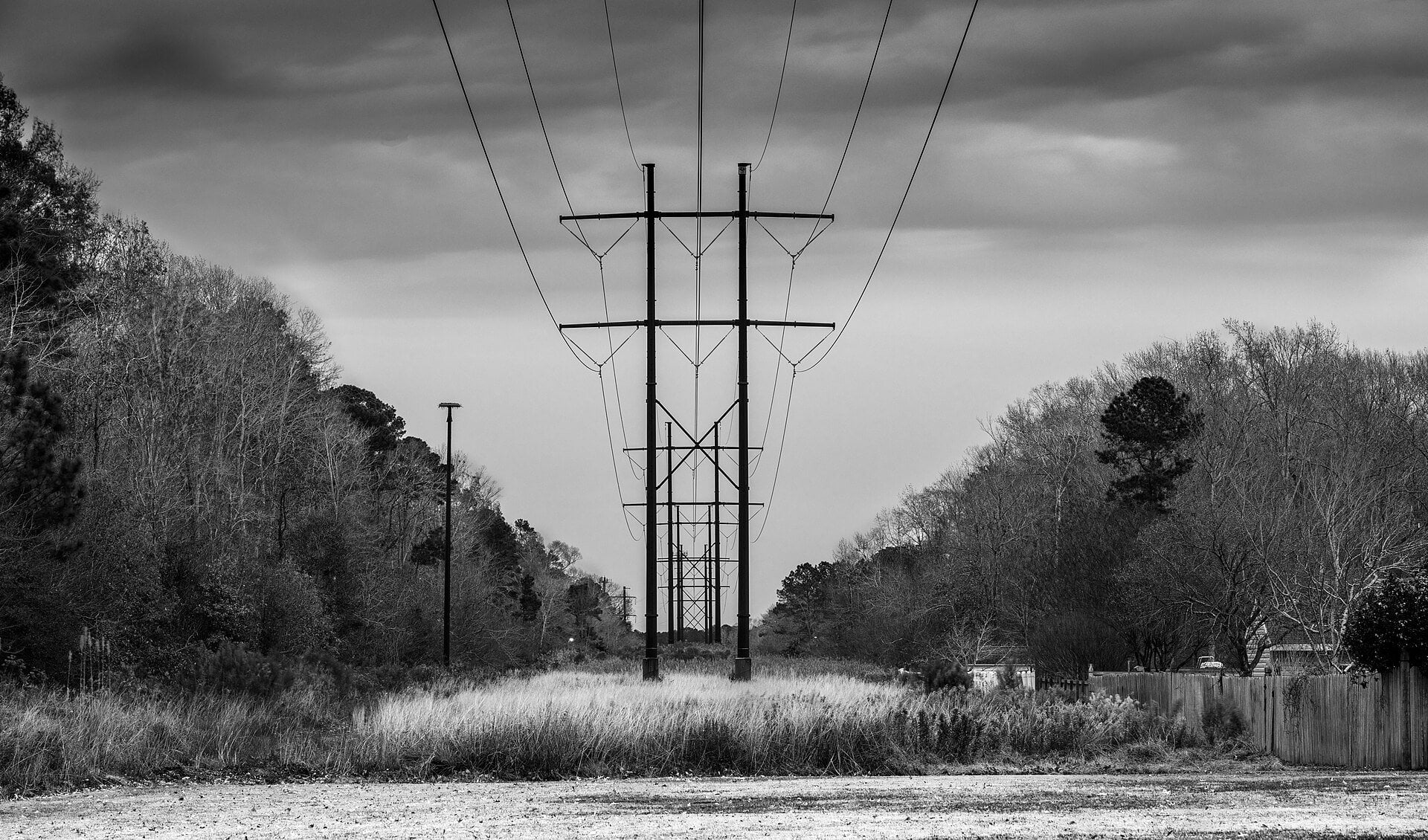
Nigerian electricity is sold to consumers below what it costs to produce. The federal government is meant to cover the gap.
Generating companies deliver power, bill the market, and receive part of what they are owed.
Unpaid balances accumulate, so the companies cannot pay gas suppliers, and gas suppliers reduce deliveries.
Plants then run below capacity for want of fuel while the country has installed capacity it cannot use.
Who Actually Bought It
The issuer lists banks, pension fund administrators, the sovereign wealth fund, asset managers, high net worth individuals and retail investors.
That list is the issuer’s own account of its book.
Pension money buying a government-guaranteed instrument at 18% is the core of the demand.
Nigerian taxpayers stand behind the guarantee, which is the part that will draw scrutiny as the coupons fall due.
What It Fixes and What It Does Not
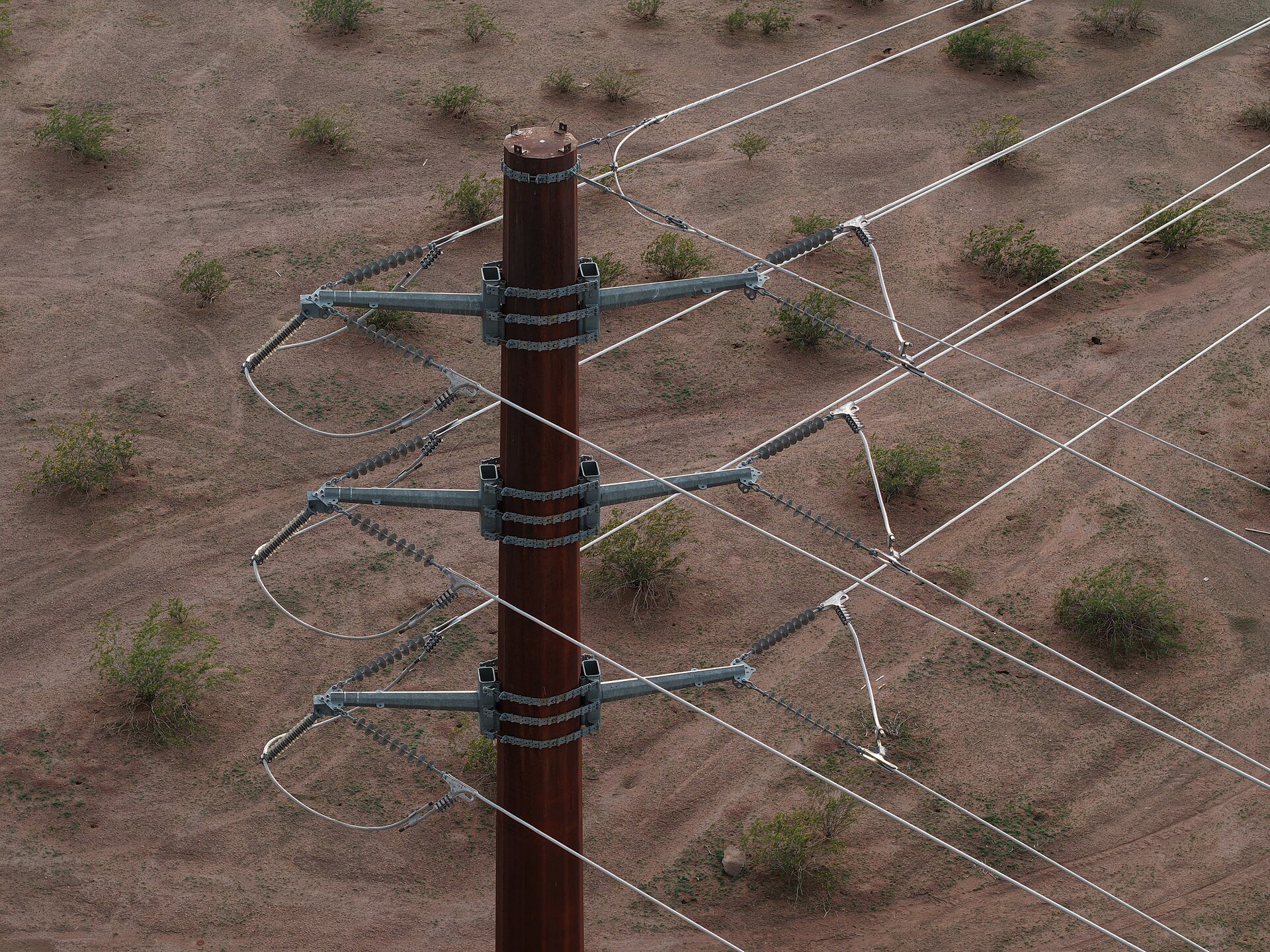
Settling arrears lets generating companies pay gas suppliers and service their own debts.
It does not change the tariff structure that created the arrears.
Nigeria moved a band of customers to cost-reflective tariffs in 2024, which reduced but did not remove the subsidy.
Unless the gap between tariffs and costs closes, a Phase Two becomes necessary in time.
What to Watch
Whether Phase Two is announced, and at what size.
Generation output in megawatts, the measure of whether the money reached the plants.
Gas supply to power stations, the immediate constraint.
And the interest bill. A 7-year bond at 18% carries a substantial cost that lands on the federal budget.
More: Africa news and analysis, every day from The Rio Times.
Frequently Asked Questions
How big is the bond?
₦728.97 billion, about US$548 million at the official window rate of ₦1,329.50 on 15 September 2026.
Who is the borrower?
NBET Finance Company Plc, a vehicle of Nigerian Bulk Electricity Trading Plc, guaranteed by the federal government. CardinalStone arranged it.
What are the terms?
Seven years, amortising, clearing at 18.0%. Price guidance had been 17.85% to 17.95%.
What is the money for?
Settling legacy debts owed to electricity generating companies under the Presidential Power Sector Debt Reduction Programme.
When did it actually close?
The book closed on 14 August 2026 and funding was on 24 August. The signing was announced on 15 September.
How much has been raised in total?
₦1.23 trillion, roughly US$925 million, across Series 1 and Series 2.
Sources: CardinalStone, FMDQ Group, Nairametrics, BusinessDay, THISDAY, Vanguard, Leadership.
This article was produced by The Rio Times’ automated newsroom system. How we use AI · Report an error
LatAm Markets: Live Signals → — real-time movers, turnover leaders and FX across Latin America.
Read More from The Rio Times