Kenya Digital Economy Project Has Spent 8% of Its Loan
KENYA · DIGITAL ECONOMY
Key Facts
- —What is the project The Kenya Digital Economy Acceleration Project, a US$390 million World Bank credit to expand broadband, digital services and skills.
- —What happened Kenyan officials and the World Bank met on 14 September 2026 to review progress.
- —The number behind it By the mid-term review in February 2026, US$32 million had been disbursed. That is 8.2% of the money, more than two years in.
- —How the Bank rates it Implementation progress was downgraded to moderately unsatisfactory in December 2025. Progress toward the development objective is still rated moderately satisfactory.
- —What is slowing it Procurement averaging over 400 days, slow contracting and payment, and limited capacity in the project unit.
- —When it ends The credit closes on 31 October 2028.
Kenya borrowed US$390 million to build its digital economy in 2023. Two and a half years later it has spent eight per cent of it.

Kenyan officials and the World Bank reviewed progress on the Kenya Digital Economy Acceleration Project on 14 September 2026. By the project’s mid-term review in February, 8.2% of the US$390 million credit had been disbursed.
What the Project Is
The Kenya Digital Economy Acceleration Project carries World Bank identifier P170941 and two IDA credits, 7289-KE and 7290-KE.
The total is US$390 million. The Board approved it on 31 March 2023 and it became effective on 2 February 2024.
It funds broadband infrastructure, digital public services, skills training and support for the technology sector.
It is structured as the first phase of a multiphase programme, with the credit closing on 31 October 2028.
Tuesday’s Review
Two principal secretaries co-chaired it. They were Stephen Isaboke of Broadcasting and Telecommunications and John Tanui of ICT and the Digital Economy.
The World Bank side included Mehnaz Safavian, Aneliya Muller, Timothy Kelly and Nidhi Parekh.
ICT Authority chief executive Jessy Maruti and project secretary Alphonce Kanunga also took part.
The readout was positive in tone and gave no disbursement figure and no rating.
What the Bank’s Own Papers Say
In December 2025 the Bank downgraded implementation progress to moderately unsatisfactory, from moderately satisfactory in June 2025.
Progress toward the development objective remained moderately satisfactory. Overall risk was rated substantial.
A mid-term review mission ran from 16 to 26 February 2026 and reported on 27 February.
It found US$32 million disbursed, 8.2% of the total, against 50 contracts worth US$69 million signed.
Where the Delay Sits
The mission named slow contracting, slow payment processing and very low disbursement.
Procurement was averaging more than 400 days from start to signature.
Budget absorption stood at 37% year to date, and the project implementation unit was found to lack capacity.
None of those is a technology problem. They are administrative ones.
What Has Been Delivered
Officials point to teachers trained, smart boards installed in classrooms and learners reached.
Those are outputs reported by the implementing agencies themselves, and no independent verification has been published.
The project also aims to mobilise about US$100 million in private capital by closing, with the December estimate at US$77.3 million.
Counterpart financing includes US$2.2 million from government and US$38.7 million from the Universal Service Fund in the current year.
Why Slow Disbursement Matters
An IDA credit carries a service charge from the moment it is committed, whether or not the money moves.
Undisbursed balances at closing are cancelled, so unspent money is simply lost to the programme.
A multiphase design means a second phase depends on the first performing.
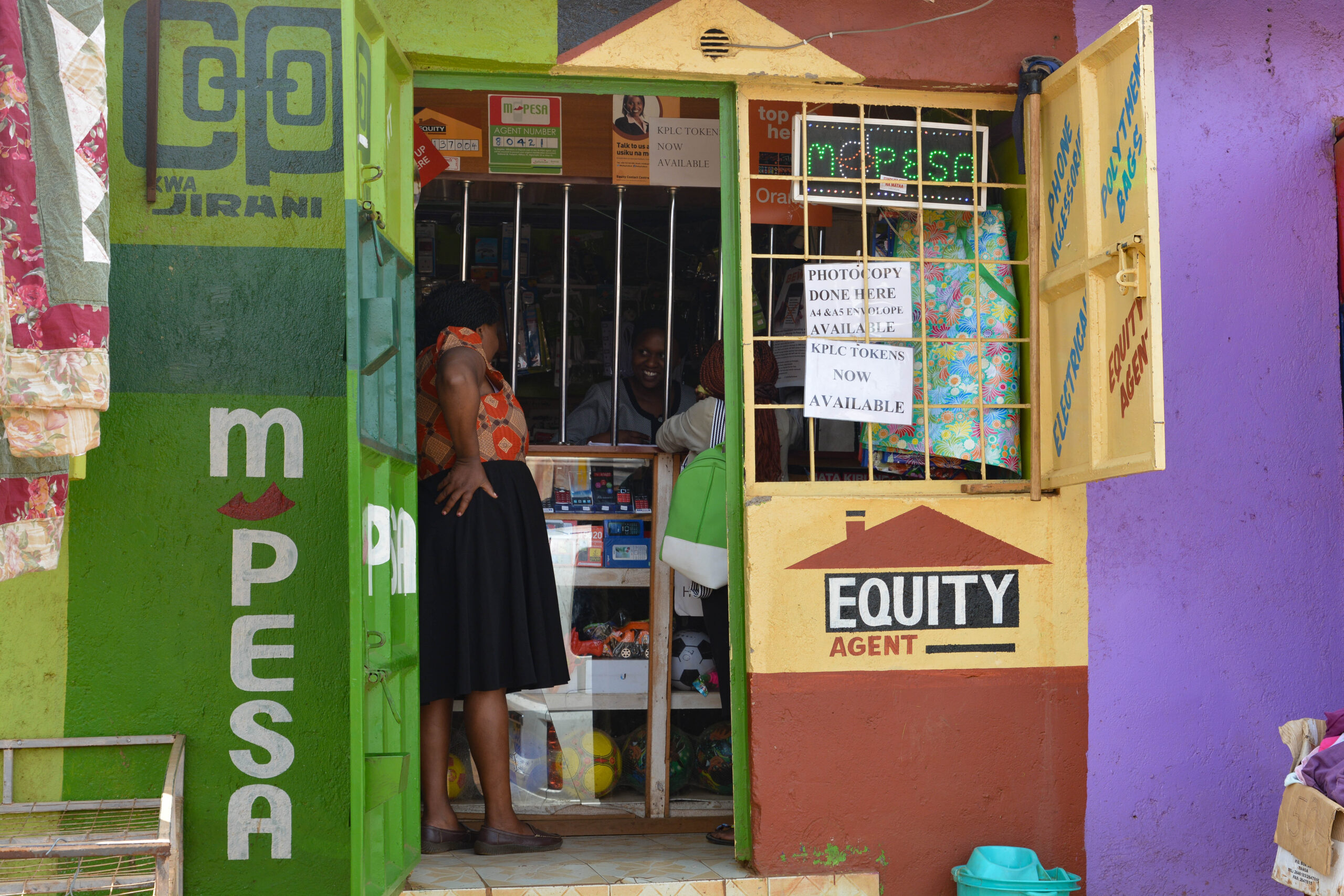
For Kenyan users, the delay shows up as connectivity and digital services that arrive later than planned.

The Honest Reading
The Bank is both the lender and the scorekeeper here, rating the performance of its own credit.
Moderately unsatisfactory is not a crisis rating. It is the grade that triggers restructuring conversations.
The development objective rating staying at moderately satisfactory says the design is sound even where delivery is slow.
Two and a half years into a five-year credit, 8.2% disbursed leaves a great deal to do in the time remaining.
What to Watch
The next implementation status report, which will show whether disbursement has moved since February.
Procurement timelines, the single binding constraint the mission identified.
Whether the project is restructured or its closing date extended.
And any decision on the second phase, which the first phase’s record will determine.
More: Africa news and analysis, every day from The Rio Times.
Frequently Asked Questions
What is the Kenya Digital Economy Acceleration Project?
A US$390 million World Bank IDA credit, identifier P170941, approved on 31 March 2023 and closing on 31 October 2028.
How much has been spent?
US$32 million, or 8.2%, as of the mid-term review reported on 27 February 2026.
How does the World Bank rate it?
Implementation progress was downgraded to moderately unsatisfactory in December 2025. The development objective rating remains moderately satisfactory.
What is causing the delay?
Procurement averaging over 400 days, slow contracting and payments, limited project unit capacity, and 37% budget absorption.
What happened on 14 September?
Kenyan principal secretaries and World Bank staff met to review progress. The readout gave no disbursement figure or rating.
What does the project fund?
Broadband infrastructure, digital public services, skills training and support for the technology sector.
Sources: World Bank project documents (P170941, ISR06050, mid-term review aide-memoire), Capital FM, Ecofin Agency, allAfrica.
This article was produced by The Rio Times’ automated newsroom system. How we use AI · Report an error
LatAm Markets: Live Signals → — real-time movers, turnover leaders and FX across Latin America.
Read More from The Rio Times