Mahama Ties Ghana Vehicle Tax Relief to Local Content
GHANA · MANUFACTURING
Key Facts
- —What happened President John Dramani Mahama commissioned the third phase of Zonda Tec’s vehicle assembly plant at Tema on 15 September 2026.
- —What he asked for That assemblers make more of the vehicle in Ghana. He named batteries, tyres, wiring harnesses, seats, glass, plastics and metal parts.
- —The lever he will use A minimum local content percentage that assemblers must reach to qualify for value-added tax relief.
- —What the percentage is Not decided. Ministries are still discussing it and the framework goes into the next budget.
- —Why it matters now The 20% VAT exemption on locally assembled vehicles was scrapped in the 2026 budget. Restoring it is the bargaining chip.
- —Who Zonda Tec is A Chinese-owned assembler and distributor operating in Ghana since 2010, and the authorised distributor of Sinotruk.
Ghana assembles trucks but imports almost every part that goes into them. The president wants that traded for a tax break.
President John Dramani Mahama spoke to vehicle assemblers at Tema on 15 September. They will need to meet a minimum local content threshold to qualify for value-added tax relief. The percentage has not been set.
What He Said
Mahama spoke at the commissioning of the third phase of Zonda Tec Ghana’s plant at Tema, near the eastern port.
We are going to introduce a percentage which you must achieve to be able to qualify for the VAT exemption, he said.
He listed the components he wants made locally: batteries, tyres, wiring harnesses, seats, glass, plastics and metal parts.
Nothing was signed. This was a presidential exhortation at a factory opening, not a policy announcement.
Where the Policy Stands
Ministries are finalising discussions on incentives for semi-knocked-down automotive assembly.
The framework is to be announced in the next national budget.
The percentage itself, the timetable and the enforcement mechanism are all still open.
Until the budget, assemblers are being asked to plan against a number that does not exist yet.
The Tax That Went Away
Ghana’s 2018 automotive development policy zero-rated locally assembled vehicles for value-added tax.
That relief, worth 20%, was scrapped in the 2026 budget presented by Finance Minister Cassiel Ato Forson.
By June 2026 the government was already considering restoring it.
Restoring it conditionally, against a local content threshold, is a cheaper way to buy the same industrial policy.

Who Assembles in Ghana
The industry association counts Toyota Tsusho Manufacturing Ghana, Silver Star Auto, Rana Motors Ghana and Hyundai Motors and Investments Ghana.
It also counts Honda Manufacturing Ghana, Zonda Tec Ghana, Kantanka Automobile, Volkswagen Ghana and Japan Motors Trading Company.
Collective investment by association members is put at around US$80 million.
Most of what they do is semi-knocked-down assembly: vehicles arrive as kits and are bolted together locally.
What Zonda Tec Is
Zonda Tec Ghana Limited is Chinese-owned and has operated in Ghana since 2010, first as a distributor.
Its founder and chief executive is Yang Yang and its chairman is Guo Anjie.
It is an authorised distributor of Sinotruk, the Chinese heavy truck manufacturer, and assembled the first Sinotruk unit in Ghana in 2010.
The Tema plant was inaugurated in 2023, when ground was also broken for this third phase.
The Numbers Do Not Agree
Local reporting puts the new capacity at around 3,000 heavy and light vehicles a year.
Xinhua reports a minimum of 12,000 vehicles a year.
On jobs, Xinhua reports at least 1,000 additional direct posts. Local outlets describe about 1,000 indirect ones and direct employment nearly doubling.
No investment figure was disclosed by anyone. The gap between these accounts is itself worth noting.
Why Local Content Is Hard
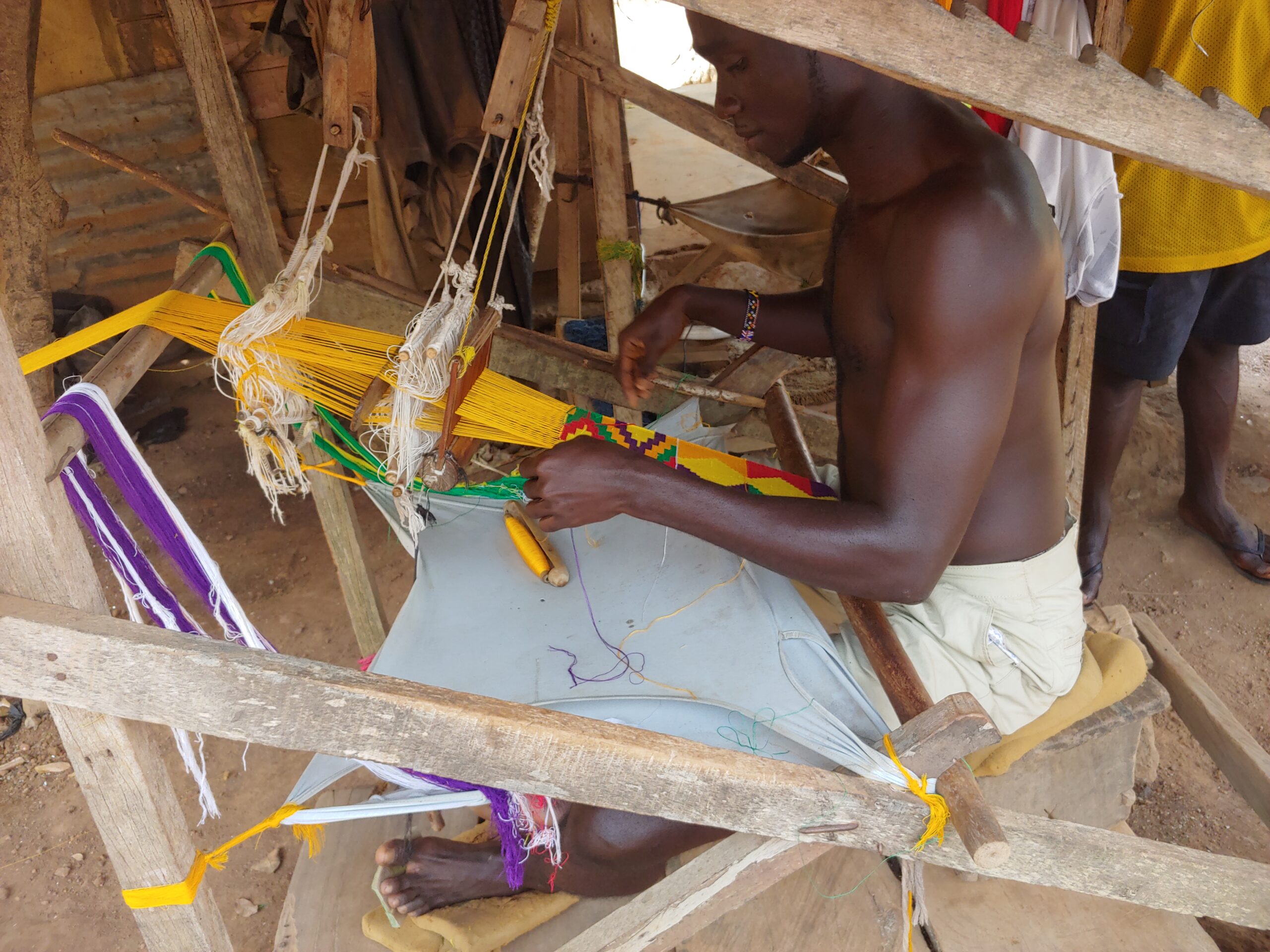
A wiring harness or a car seat needs volume to be worth making. Ghana assembles a few thousand vehicles a year across all producers.
Component makers serve regional markets, not single-country ones, and West African trade in vehicle parts is thin.
South Africa and Morocco built component industries on export volumes that Ghana does not yet have.
A threshold set too high stops assembly. Set too low it changes nothing. That is the calculation the ministries are making.
What to Watch
The next budget, where the framework and the percentage are due.
Whether the 20% VAT relief returns, and on what conditions.
Vehicle assembly volumes, which determine whether component manufacture is ever viable.
And the African Continental Free Trade Area, which is the only route to the volumes a parts industry would need.
More: Africa news and analysis, every day from The Rio Times.
Frequently Asked Questions
What did Mahama announce?
That vehicle assemblers will need to meet a minimum local content percentage to qualify for VAT relief. He said it at Tema on 15 September 2026.
What is the percentage?
Not set. Ministries are still discussing it and the framework goes into the next budget.
What happened to the VAT exemption?
The 20% relief on locally assembled vehicles was scrapped in the 2026 budget. Government has been considering restoring it since June.
Which parts does he want made in Ghana?
Batteries, tyres, wiring harnesses, seats, glass, plastics and metal parts.
Who is Zonda Tec?
A Chinese-owned assembler and distributor in Ghana since 2010, authorised distributor of Sinotruk, with a plant at Tema.
How big is the new phase?
Accounts differ. Local reporting says about 3,000 vehicles a year; Xinhua says a minimum of 12,000.
Sources: Presidency of Ghana, Ghana Broadcasting Corporation, MyJoyOnline, 3news, Graphic Online, Xinhua, Citinewsroom.
This article was produced by The Rio Times’ automated newsroom system. How we use AI · Report an error
LatAm Markets: Live Signals → — real-time movers, turnover leaders and FX across Latin America.
Read More from The Rio Times