Nigeria Payment Infrastructure Faces New Rules as Interswitch Tour Opens
NIGERIA · PAYMENTS
Key Facts
- —The event Interswitch opened TechConnect 6.0 in Owerri on 24 September 2026, with three more cities to follow.
- —The theme The series runs under the banner “Built for What’s Next: Designing Adaptive Financial Infrastructure for a Dynamic Market.”
- —The keynote Justice R. Okoye, executive chairman of the Imo State Internal Revenue Service, spoke first in Owerri.
- —The scale Interswitch has run Nigerian card switching since 2002 and its Verve brand passed 100 million cards.
- —The backdrop Nigerian electronic payments reached 1.07 quadrillion naira (about US$806 billion) in 2024, NIBSS data shows.
- —The catch New central bank rules cap market dominance and require payment data to sit inside Nigeria by 2027.
Interswitch opened a four-city tour in Owerri on Thursday, as Nigerian banks and fintechs face new central bank limits.
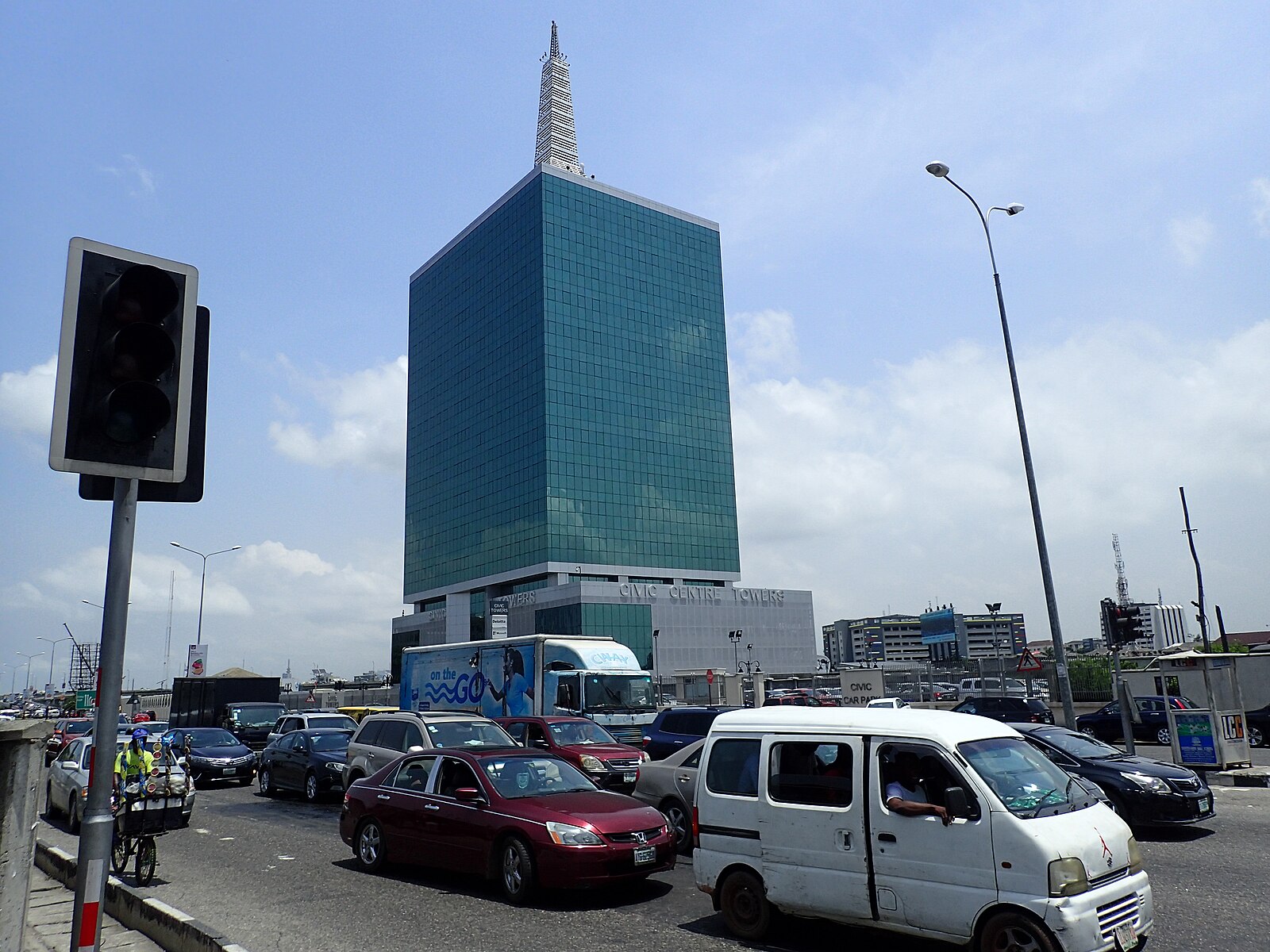
Interswitch began a four-city event series in Owerri on Thursday, putting Nigeria payment infrastructure under fresh public scrutiny. The tour lands as the central bank tightens rules on who may dominate the payment market.
What Interswitch Announced In Owerri
Interswitch said on 23 September 2026 that its TechConnect 6.0 series would open in Owerri the next day. Three further dates follow in Abuja, Ibadan and Lagos.
The Abuja session is set for 8 October, Ibadan for 22 October and Lagos for 27 October. All four fall in 2026.
The theme is “Built for What’s Next: Designing Adaptive Financial Infrastructure for a Dynamic Market.”
Speakers listed by the company include Tyoyila Aga, vice-president for business innovation and growth. Robinta Aluyi, chief sales officer, and Suliat Aliyu, head of partnership, also feature.
The Owerri keynote came from Justice R. Okoye, executive chairman of the Imo State Internal Revenue Service. Justice is his given name, not a judicial rank.
Why Nigeria Payment Infrastructure Is Under Pressure
The Central Bank of Nigeria issued a market structure circular on 16 June 2026. It limits how far one firm may dominate both sides of the payment market.
A licensed institution holding more than 25 percent of consumer card issuing faces a 15 percent cap in merchant acquiring. The rule cuts at the heart of Nigeria payment infrastructure.
A second rule requires payment data generated in Nigeria to be stored and managed inside the country. Banks and fintechs have until 1 January 2027 to comply.
Central bank governor Olayemi Cardoso has framed the changes as protection for consumers and fair competition. Regulators also want clearer disclosure of who ultimately owns payment firms.
How Big The Company Behind The Tour Is
Interswitch was founded in Nigeria in 2002 as a transaction switching and processing company. Its founder, Mitchell Elegbe, built it around the plumbing that moves money between banks.
The company launched Verve, described as Africa’s first domestic chip card scheme, and the Quickteller retail payments service. Verve passed 100 million cards issued in December 2025.
Interswitch also says it led Nigeria’s move to EMV chip card standards. EMV stands for Europay, Mastercard and Visa, the firms behind that global standard.
Visa took a stake in 2019 that valued Interswitch at about US$1 billion. The company runs a network of more than 11,000 cash machines.
Nigerian banks share a single switching layer for cards and transfers. That concentration makes reliability a public question, not only a company one.
The Numbers Behind Nigeria’s Cash Shift
Electronic payments in Nigeria reached 1.07 quadrillion naira (about US$806 billion) in 2024, according to NIBSS. NIBSS is the Nigeria Inter-Bank Settlement System, which runs the shared transfer rails.
Naira figures here use a rate of 1,327 naira to US$1 on 24 September 2026. Currency values move, so the dollar equivalent is an approximation.
Instant transfers carried 11.2 billion transactions in 2024, up about 120 percent on 2022, NIBSS reported. Most of those settle in under a second.
Cash made up 91 percent of Nigerian transactions in 2019, according to Worldpay’s global payments report. By 2024 that share had fallen to roughly 41 percent.
Worldpay expects cash to account for about 32 percent of transactions by 2030. The direction of travel is clear, even if the exact pace is not.
Why This Matters For Business In Africa
Anyone selling into Nigeria depends on these rails to get paid. If the switching layer wobbles, card payments and transfers fail at the till.
Small traders who moved to cards and transfers have little fallback if a rail fails. Cash handling has thinned out across many Nigerian towns.
The new dominance caps may reshuffle which firms handle card issuing and merchant acquiring. Businesses could find their payment provider changing terms or partners over the next year.
The data rule may push firms to spend on local storage, power supply and backup sites. Those costs can reach merchants through higher fees.
What is not known is how regulators will treat firms that miss the January 2027 deadline. No enforcement penalties have been published.
It is also unclear whether this series will produce any binding commitments. The events are a discussion forum, not a rule-making body.
What To Watch Next
The Abuja session on 8 October is the next test of how far the conversation goes. Ibadan follows on 22 October and Lagos on 27 October.
Interswitch already sells a revenue collection platform to government agencies, which explains the tax chief’s slot in Owerri. State revenue offices are becoming large payment customers.
Watch for firm commitments on uptime, interoperability and local data hosting rather than broad statements. Those are the measures that reach ordinary users.
Nigeria payment infrastructure now has to absorb record volumes and a tighter rulebook at once. The next year should show whether it can.
Frequently Asked Questions
What is Interswitch TechConnect 6.0?
It is a four-city discussion series run by Interswitch on the future of payment systems in Nigeria.
When and where does TechConnect 6.0 run?
Owerri on 24 September, Abuja on 8 October, Ibadan on 22 October and Lagos on 27 October 2026.
What new rules do Nigerian payment firms face?
Caps on market dominance from June 2026, and a rule to store payment data in Nigeria by January 2027.
Connected Coverage
Sources: Reporting draws on Interswitch and Verve announcements, the Imo State Internal Revenue Service, the Central Bank of Nigeria, NIBSS settlement data, Worldpay’s global payments report, THISDAY, P.M. News and TechCabal.
This article was produced by The Rio Times’ automated newsroom system. How we use AI · Report an error
Read More from The Rio Times