Kenya’s Quickmart NSE Listing Still Unpriced And Unapproved
KENYA · MARKETS
Key Facts
- —What happened Quickmart’s sole owner filed to sell half the Kenyan grocery chain on the Nairobi bourse.
- —The structure Two billion existing shares change hands, so Quickmart issues nothing and receives none of the money.
- —The catch No offer price, no regulator approval and no confirmed dates have been published yet.
- —The seller Sokoni Retail Kenya Limited, controlled by Mauritius-based Adenia Partners alongside the chain’s Kenyan founders.
- —The size Quickmart made KES 50.4 billion (US$389 million) in 2025 revenue from 72 stores.
- —What comes next The Capital Markets Authority and the exchange must approve before any shares are sold.
Kenya’s second-largest grocery chain has filed to sell half of itself on the Nairobi Securities Exchange (NSE), with no price yet set.
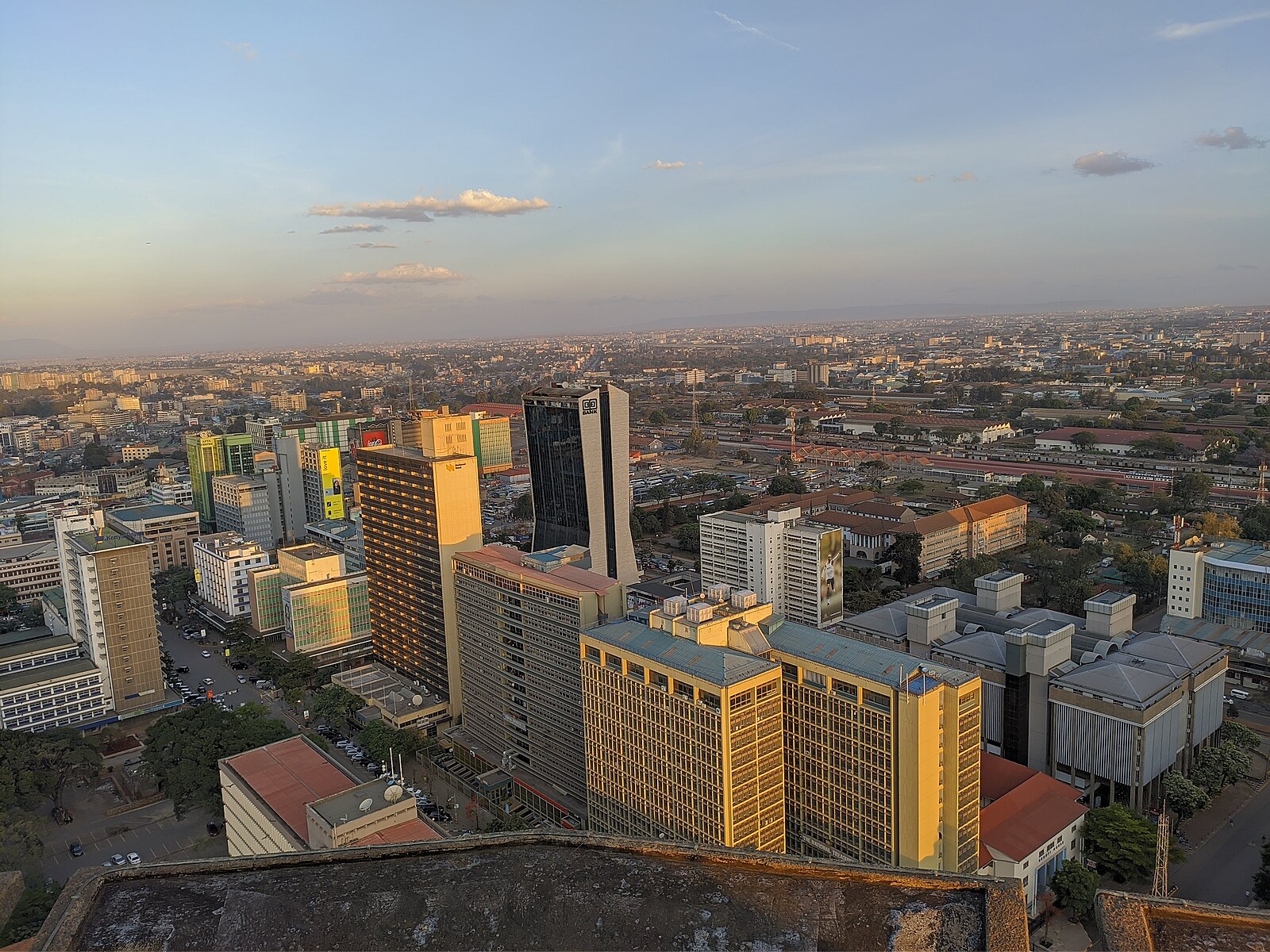
The Quickmart NSE listing is not yet approved, not yet priced and not yet open to buyers on Thursday 24 September 2026. Kenya’s second-largest supermarket chain says the sale should begin around 30 September.
How The Quickmart NSE Listing Is Built
Sokoni Retail Kenya Limited owns every Quickmart share today. It has applied to sell 2 billion of them, half the issued share capital.
All 4 billion ordinary shares would be admitted to the exchange, but only the 2 billion on offer would actually be sold. Quickmart itself issues no new shares and receives none of the cash.
An offer for sale is not the same as raising capital. The company’s balance sheet is unchanged, and the seller alone banks the proceeds.
An over-allotment option lets the seller release a further 7.5 percent if demand is strong. Sokoni would then keep about 42.5 percent instead of 50 percent.
SBG Securities and Stanbic Bank Kenya are lead transaction advisers, with Dyer and Blair as co-placing agent. The company has signalled a dividend payout of at least 80 percent of annual profit.
Where The Offer Stands Today
The application and a draft information memorandum sit with the Capital Markets Authority and the Nairobi Securities Exchange. Neither has approved the deal.
No offer price has been published, so the value of the company is still guesswork. Market analysts have floated KES 25.5 billion to KES 34 billion (US$197 million to US$263 million) for the whole chain.
That range would put the 50 percent stake near KES 12.75 billion to KES 17 billion (US$98 million to US$131 million). Currency figures here use 24 September 2026 rates of US$1 to 129.5 Kenyan shillings.
The plan was announced on Wednesday 23 September 2026. Retail and institutional buyers in Kenya, the wider region and abroad would all be eligible.
The minimum application size and the exact opening and closing dates are not public. They are due in the final information memorandum.
Who Really Owns The Seller
Sokoni Retail Kenya Limited is controlled by Adenia Partners, a private equity firm based in Mauritius. Adenia manages more than US$1 billion across five funds.
Its backers include Norway’s Norfund, the United States International Development Finance Corporation and Canada’s FinDev. Most sale proceeds would therefore flow to those institutions, not to one individual.
Adenia built the group by buying Tumaini in 2018 and merging it with Quickmart in 2019. The combined chain has grown stores and sales every year since.
Kenyan founders also hold stakes in Sokoni, among them chief executive Peter Kang’iri and Tumaini founder Moses Ng’eruro Nditika. How the shareholding splits between them has never been disclosed.
Kenya’s Listings Drought Is Easing
The exchange went without a single corporate initial public offering, or IPO, between 2014 and early 2026. About 64 companies are listed.
That changed in March 2026, when Kenya Pipeline Company raised KES 106.3 billion (US$821 million) in an oversubscribed sale. Family Bank followed in June, listing without raising money.
A listing of this size would hand the exchange a household consumer name it has lacked for years. Its market value is still dominated by banks and one telecoms group.
Quickmart would be the first large private company to sell shares to the public in Nairobi in more than a decade. Market value crossed KES 3 trillion (US$23.2 billion) for the first time in 2025.
Quickmart Against Naivas And Carrefour
Quickmart runs 72 stores across 16 counties and employs more than 8,000 people. It booked KES 50.4 billion (US$389 million) of revenue in 2025.
Adjusted profit after tax was KES 1.7 billion (US$13.1 million). Half-year revenue to June 2026 reached KES 27.3 billion (US$211 million).
Naivas remains the market leader, with more than 110 stores and net profit of KES 2.42 billion (US$18.7 million). Carrefour, run by Dubai’s Majid Al Futtaim, took KES 48.8 billion (US$377 million) in Kenya last year.
Quickmart grew sales by about 18 percent a year between 2021 and 2025. It wants to pass 100 stores, adding 10 to 15 outlets a year.
Kenyan grocery retail has also buried big names, including Uchumi, Nakumatt and Tuskys. Scale alone has never guaranteed survival in this market.
Why The Quickmart NSE Listing Matters To Business
For suppliers, banks and partners, a listed Quickmart means published accounts twice a year and public governance rules. That is new information in a sector where most players stay private.
The Quickmart NSE listing also gives foreign funds a liquid way into Kenyan consumer spending. Eligible buyers include investors in East African Community member states and other overseas markets.
What is not known matters just as much: the price, the minimum ticket, the exact dates and the final regulator decision. None of those has been made public.
Kenyan shoppers already know the brand, and 2.5 million of them hold its loyalty cards. Ownership, for once, would be open to them too.
If approval lands on time, Kenyan savers will learn the price within days and can decide calmly from there.
Frequently Asked Questions
Has the offer been approved?
Not yet. Regulators were still reviewing the Quickmart NSE listing on 24 September 2026, so no approval exists.
How much will one share cost?
That is not public. The seller will set the price in the final information memorandum, expected before the offer opens.
Does Quickmart get any of the money?
No. Every share on sale already exists and belongs to Sokoni Retail Kenya Limited, so the proceeds go to the seller.
Sources: Reporting drawn from Quickmart and Sokoni Retail Kenya statements carried by Kenya Broadcasting Corporation, Citizen Digital, The Eastleigh Voice, The Standard, Business Daily, The Star and Billionaires Africa, with market data from the Nairobi Securities Exchange.
This article was produced by The Rio Times’ automated newsroom system. How we use AI · Report an error
Read More from The Rio Times