Nigeria to Upgrade Four Ports to Ease Congestion in Lagos
Nigeria · TRADE
Key Facts
- —The country Nigeria is Africa’s most populous country, with about 230 million people, and one of the continent’s largest economies. It is West Africa’s biggest import market.
- —Why it matters Most Nigerian sea cargo passes through Lagos. Its Apapa and Tin Can Island ports are known for truck gridlock, slow customs clearance and high costs for importers.
- —Why now In September officials announced a £746 million (about US$985 million) facility for the Lagos ports. Licensed customs agents marked their 72nd anniversary demanding cheaper clearance.
- —What happened On Saturday 26 September, Marine and Blue Economy Minister Adegboyega Oyetola said the government had approved upgrades of Onne, Rivers, Delta and Calabar ports.
- —The numbers Nigerian Ports Authority (NPA) data show cargo rose 12.3% to 35.7 million tonnes in April–June 2026, against the same quarter of 2025.
- —What it means for you Importers and investors may eventually gain alternatives to congested Lagos. For now, Lagos and Lekki remain the main gateways, with delays priced into shipping costs.
- —Still open No cost, contractor, funding source or timeline has been published for the four upgrades or for the six planned new deep seaports.
Nigeria wants to stop squeezing most of its sea trade through Lagos. Cargo is rising, but the money and timetable for new capacity remain unclear.
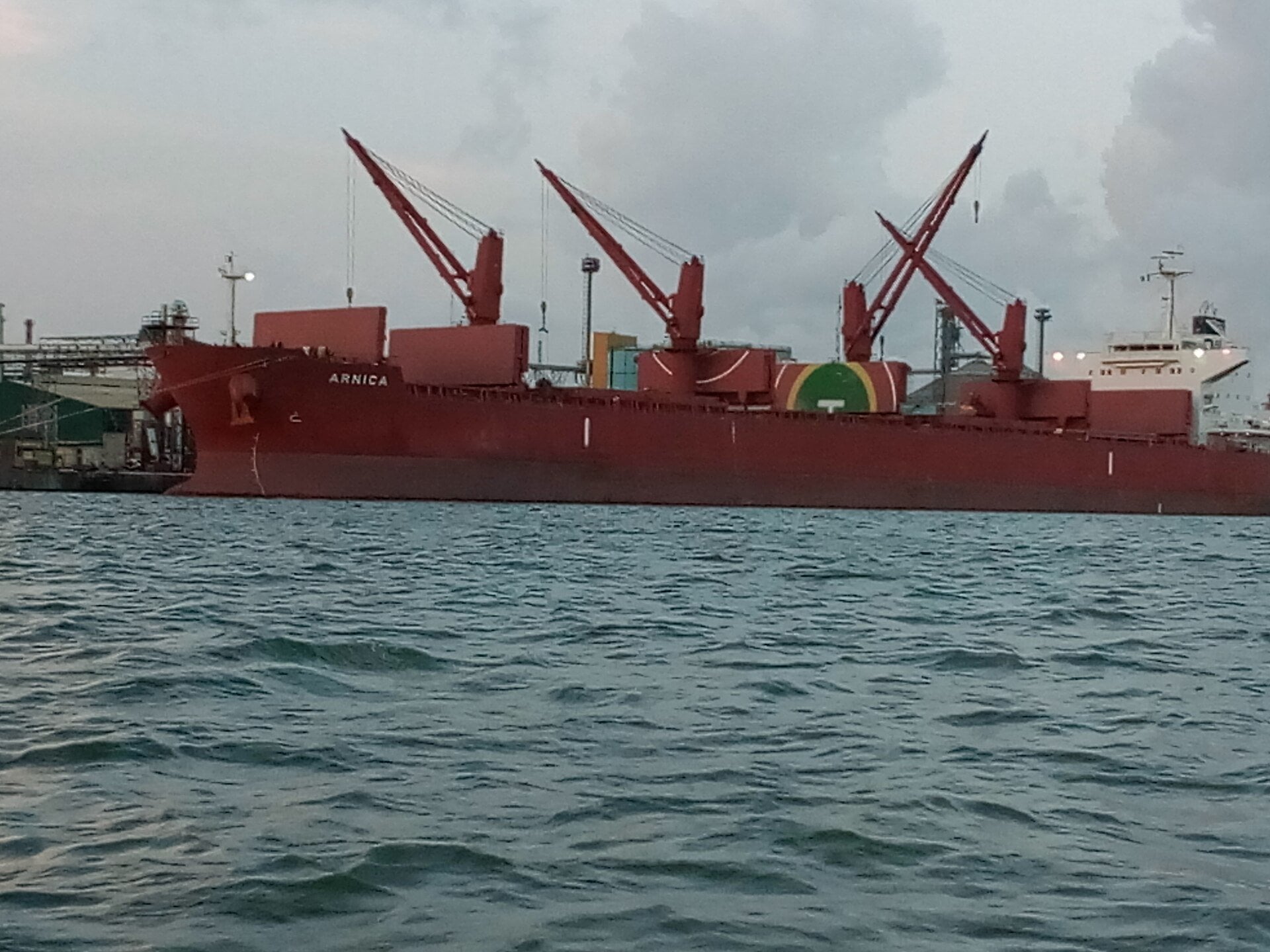
Nigeria, Africa’s most populous country, has approved upgrades of four ports outside Lagos to ease congestion at its main trade gateway. The plan comes as cargo volumes grow and customs agents demand cheaper, faster clearance.
A country that funnels its trade through one city
Nigeria’s federal government has approved the modernisation of four ports outside Lagos, the commercial capital. The move aims to spread cargo across the coast and ease chronic congestion in Lagos.
Lagos handles the bulk of the country’s seaborne imports. Trucks queue for days on the roads to Apapa and Tin Can Island, and clearance costs are among the region’s highest.
The approved ports are Onne and Rivers port in Rivers State, the Delta ports around Warri, and Calabar in Cross River State. All lie in the south and south-east, close to the oil-producing Niger Delta.
What the minister announced
Adegboyega Oyetola, the Minister of Marine and Blue Economy, disclosed the approval in a statement on Saturday 26 September. He said the upgraded ports would create additional efficient gateways for international trade.
“These ports have strategic roles to play in our trade, industrial and regional development,” Oyetola said. He added that the government was determined to equip them for a growing economy.
The minister also listed six new deep seaports approved for development. They are Ibom in Akwa Ibom, Bakassi in Cross River, Agge in Bayelsa, Gateway in Ogun, Ondo, and Bonny in Rivers State.
The statement gave no cost, contractor, funding source or start date for any of these projects. Several of the deep seaports have been planned for years without construction starting.
Money for the Lagos ports comes first
The announcement followed a £746 million (about US$985 million) facility for the Apapa and Tin Can Island ports in Lagos. Capt. Iheanacho Ebubeogu of the Nigerian Ports Consultative Council disclosed it on 20 September.
According to BusinessDay, the wider programme also covers Escravos breakwaters, berths at Rivers port, dredging at Calabar and a freight rail link inside Lagos. The reports did not name the lender.
Officials say the aim is “green and smart” ports, with more automation and digital systems. They promise shorter ship turnaround and less time for cargo sitting on the quay.
Cargo is growing despite the bottlenecks
The Nigerian Ports Authority (NPA), the state body that owns and manages the country’s seaports, reported strong second-quarter figures. Cargo throughput rose 12.3% year on year to 35.7 million tonnes.
Ocean-going ship calls rose 14.4% to 1,201. Container traffic grew 11.3% to 602,392 TEUs, the standard measure of twenty-foot containers.
Transshipment, where boxes are moved between ships for other destinations, reached 29,038 TEUs against none a year earlier. NPA managing director Abubakar Dantsoho said the figures showed the ports’ resilience.
Lekki shows both the promise and the problem
Lekki Deep Sea Port, east of central Lagos, opened in 2023 as Nigeria’s first deep-water container port. It was built by China Harbour Engineering Company with Singapore’s Tolaram Group, Lagos State and the NPA as partners.
Yet the new port already suffers from the same road gridlock as Apapa. In remarks reported on 1 October, Lekki port manager Emmanuel Anda said the NPA would sanction traffic offenders and illegal truck parks.
Trucks are meant to book slots through an electronic call-up system before approaching the port. The problem shows that new berths help little without roads, rail and orderly truck flows.
Customs agents want lower clearance costs
The Association of Nigerian Licensed Customs Agents (ANLCA) represents the brokers who clear goods through customs. It marked its 72nd anniversary in Lagos in late September.
Founded in 1954, it is among Nigeria’s oldest trade bodies.
ANLCA president Emenike Nwokeoji called for coordinated reform to cut cargo-clearance costs and speed up legitimate trade. He backed the National Single Window, a platform meant to let traders file documents once.
In a letter reported by ThisDay, Dantsoho congratulated the association and pledged continued work on digital port operations. Such pledges are routine; the test is whether clearance times and costs actually fall.
What it means for foreign traders and investors
For exporters to Nigeria, more working ports would mean shorter queues and cheaper inland transport to the east and south. For now, almost all container cargo still lands in Lagos and Lekki.
For investors, the plan to upgrade four ports outside Lagos opens possible concessions, dredging and terminal contracts. Bidding terms have not been announced, so any opportunities remain prospective.
Ogun State has also signed memorandums with the port operator DP World on a new deep seaport and economic zone. Local media valued the plans at US$7 billion, a figure not independently confirmed.
What to watch next
Watch for the funding and contractors for the four eastern and southern ports, and for a start date on the Lagos works. Also watch whether NPA quarterly data show cargo shifting away from Lagos.
Nigeria has announced port plans before without delivery. Concrete contracts and dredging work, not statements, will show whether this round is different.
Exchange rate: US$1 = 0.757 British pounds (open.er-api.com, 2 October 2026).
Frequently Asked Questions
Which Nigerian ports will be upgraded?
The government approved the modernisation of Onne, Rivers, Delta and Calabar ports, all in the south and south-east. It also approved six new deep seaports, including Bonny, Bakassi and Ibom.
Why does Nigeria want to move cargo away from Lagos?
Lagos handles most of the country’s seaborne imports, and its ports suffer from truck gridlock and slow clearance. Spreading cargo along the coast should cut delays and inland transport costs.
How much money has been secured?
A facility of 746 million pounds (about US$985 million) was announced in September for the Apapa and Tin Can Island ports in Lagos. No cost or funding has been published for the four newly approved upgrades.
Is cargo traffic in Nigeria growing?
Yes: Nigerian Ports Authority figures show cargo throughput rose 12.3% to 35.7 million tonnes in April–June 2026. That compares with the same quarter of 2025.
Connected Coverage
Sources
- The Authority: FG approves upgrade of four ports (27 Sep 2026)
- Nairametrics: FG approves upgrades for four ports, six new deep seaports
- BusinessDay: FG secures 746m-pound facility to modernise Apapa, Tin-Can ports
- Vanguard: Nigeria’s ports record 12.3% rise in cargo throughput
- Vanguard: Lekki Port, NPA to sanction traffic offenders
- The Sun: ANLCA seeks coordinated port reforms
- ThisDay: NPA congratulates ANLCA on 72nd anniversary
This article was produced by The Rio Times’ automated newsroom system. How we use AI · Report an error
LatAm Markets: Live Signals → — real-time movers, turnover leaders and FX across Latin America.
Read More from The Rio Times