Near Century Low: Brazil’s Hydroelectric Crisis Deepens as Water Scarcity Looms
September in Brazil marks a stark reality this year—the country’s hydroelectric plants are bracing for the lowest natural water inflow in nearly a century.
As the Electric Sector Monitoring Committee (CMSE) scrambles to maintain energy stability, Brazilians are gearing up for a rise in electricity costs.
The dwindling river flows are prompting a shift to more costly, gas-fired power plants to fill the looming energy gap.
This shift is driven by a complex interplay of climatic challenges, including the unpredictable La Niña phenomenon, which is forecast to reduce rainfall in key regions while temperatures climb nationwide.
With less water to generate hydroelectric power, which is a cornerstone of Brazil’s energy matrix, the nation must tap into its reserve fuels to meet a surge in electricity demand expected from September to December.
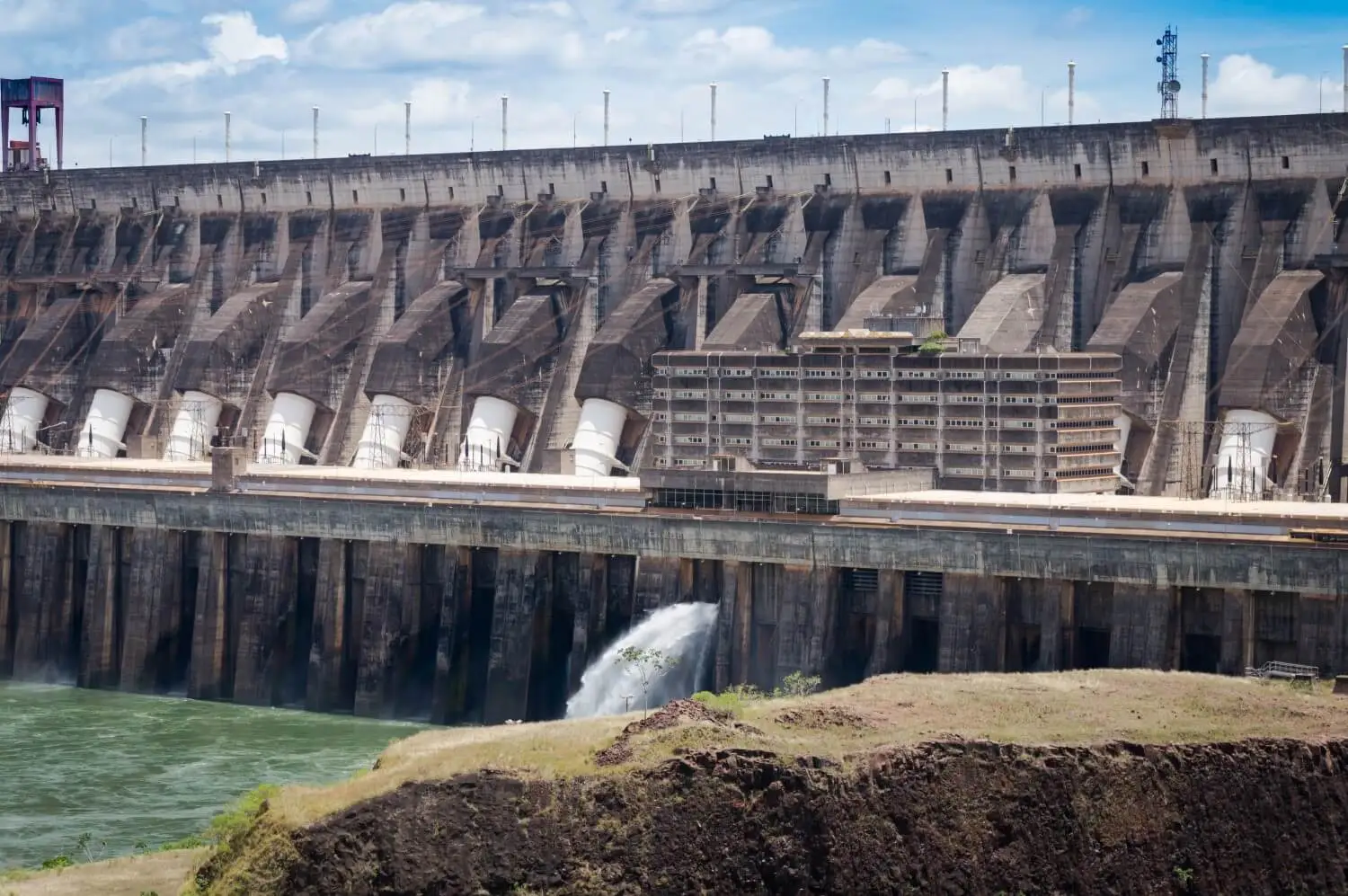
For September alone, forecasts predict that the Southeast/Central-West, South, Northeast, and North will only harness 48%, 46%, 36%, and 42% of their typical river flows, respectively.
This situation poses a significant test for Brazil‘s energy strategy, highlighting the urgent need for diversified and resilient energy sources.
In August 2024, Brazil made strides to bolster its energy infrastructure, adding 571 MW of centralized generation capacity and enhancing its grid with new transmission lines and transformers.
Despite these efforts, the reality of this year’s drought underscores the fragile balance between nature and energy needs.
As Brazil navigates this critical period, the focus isn’t just on keeping the lights on today but on rethinking its approach to energy in the face of increasingly unpredictable weather patterns.
This challenge calls for a strategic pivot to ensure energy security for future generations, making every drop of river water and every gust of wind count more than ever.
More: Brazil news in English, every day from The Rio Times.
This article was drafted with automated assistance and reviewed before publication. How we use AI · Report an error · Editorial responsibility: Matthias Camenzind, Editor-in-Chief