Moving to Panama: A Step-by-Step Relocation Guide for 2026
Panama · Expats & Nomads
Key Facts
—Start with the visa. Your residency or nomad route shapes every other decision.
—Rent before you buy. Test a neighbourhood and a climate before committing.
—The dollar helps. Panama uses US currency, which simplifies money from day one.
—Bring the pets. Panama allows cats and dogs with the right paperwork and vaccinations.
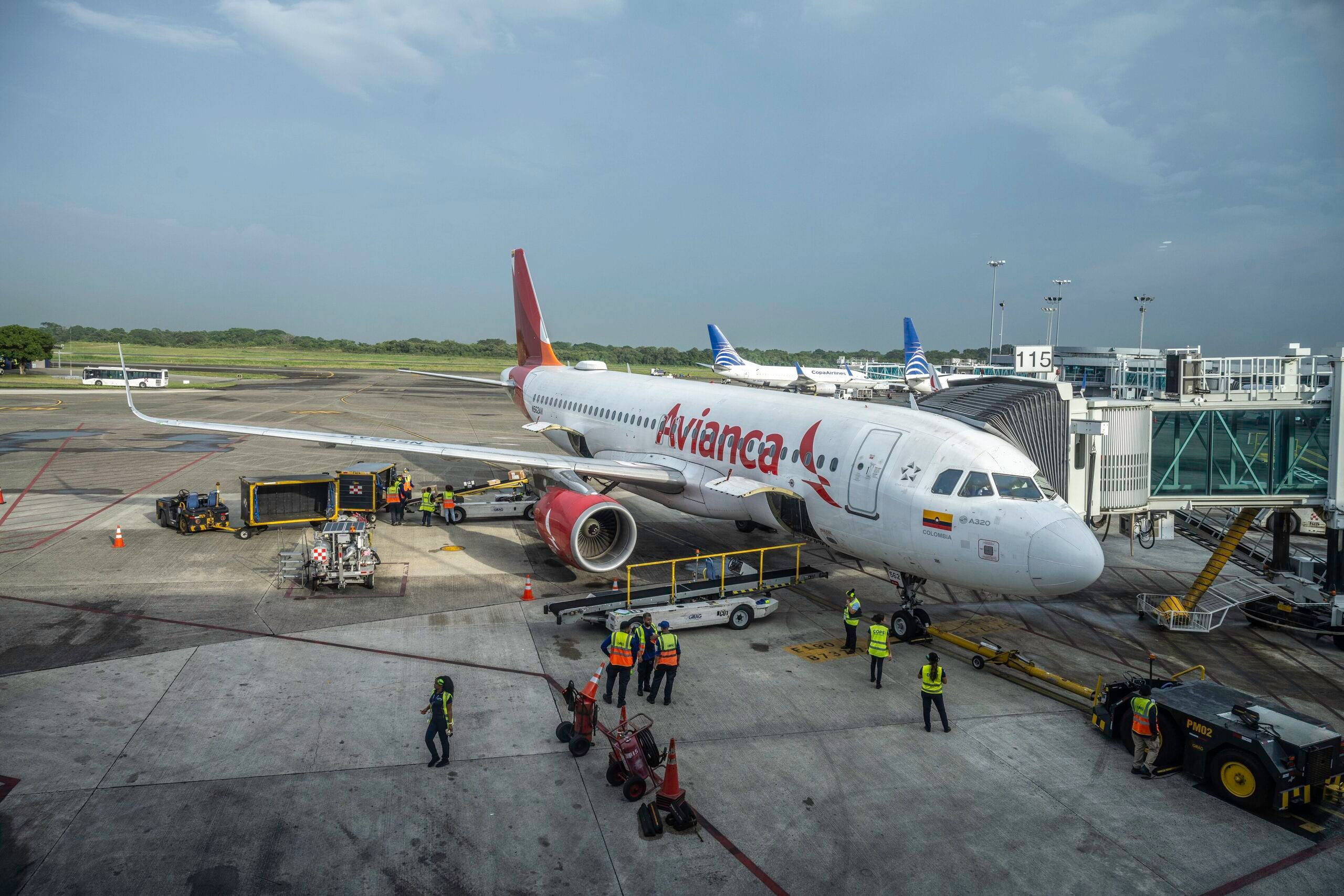
Moving to Panama is a wonderfully achievable dream, and the secret to a smooth landing is simply taking the steps in the right order. From choosing a visa to finding your feet in a new neighbourhood, this friendly checklist walks you through the whole journey for 2026.
Step one: choose your visa
Everything begins with your legal status, because it shapes how long you can stay and what you can do. Retirees often choose the Pensionado, working-age expats the Friendly Nations route, and remote workers the short-stay nomad visa.
Get this right before you book a one-way flight. Our guides to Panama residency visas and the Panama Digital Nomad Visa lay out the options.
Step two: scout, then rent
Resist the urge to buy a home before you arrive. The wiser path is to visit, rent for a few months, and let a neighbourhood prove itself across the seasons.
Panama offers everything from high-rise city living to mountain cabins and beach towns. Our guide to where to live in Panama compares the main expat bases to help you shortlist.
Step three: sort money and banking
Because Panama uses the US dollar, managing money is refreshingly simple from the start. You can spend and save in dollars without watching exchange rates.
Opening a local account takes patience and paperwork, and is often easier once your residency is underway. Our guide to banking and taxes in Panama walks through the steps and the friendly tax rules.
Step four: line up healthcare
Before you arrive, arrange health insurance that is valid in Panama, since some visas require it and it brings peace of mind. The private hospitals are excellent and far cheaper than in the United States.
It pays to know your nearest hospital from day one, especially if you settle outside the capital. Our guide to healthcare in Panama covers cover and costs.
Step five: decide what to bring
Shipping a full container of furniture is possible but pricey, so many expats travel light and buy locally. Weigh the sentimental value of your belongings against the cost and hassle of moving them across an ocean.
Pets are welcome, which is a relief for many families. Cats and dogs can enter Panama with up-to-date vaccinations and the correct health paperwork, so start that process early with your vet.
Step six: settle in and build a life
Once the admin is done, the best part begins. A little Spanish goes a long way, and even a few phrases will open doors and earn warm smiles.
Lean on the country’s large, friendly expat networks for tips and friendship as you find your feet. To budget the whole adventure, keep our guide to the cost of living in Panama close at hand.
One last tip on timing: many newcomers find the dry season, roughly December to April, the easiest stretch to arrive and house-hunt. The skies are clearer, the roads are kinder, and viewing apartments is simply more pleasant.
Step seven: the paperwork to gather before you fly
A smooth move rewards a little admin done in advance. Gather authenticated copies of key documents, such as your birth and marriage certificates and a police clearance, since your visa will likely need them.
Tell your bank and tax office at home that you are moving, and set up secure online access to everything before you leave. Arriving with your digital life in order saves countless headaches later.
A realistic timeline
Most people find the whole journey, from first research to settled residency, takes several months rather than weeks. Treating it as a gentle process rather than a sprint makes the move far more enjoyable.
Settling your finances and admin
Before the boxes are even unpacked, a few errands smooth the road ahead. Registering with your embassy, choosing a local phone plan and finding your nearest hospital all take minutes and pay off quickly.
Give yourself a soft landing in the first month, too. Booking a furnished rental to begin with buys time to learn the city before you commit to a long lease or a purchase.
Enjoying the adventure
Finally, remember why you are doing this. A move abroad is a rare chance to reset your daily life, and Panama makes the transition unusually gentle.
Lean into the slower pace, the new flavours and the easy friendships. The admin is soon forgotten, but the life you build is the part that lasts.
How long does moving to Panama take?
A realistic timeline is three to six months from first scouting trip to settled arrival, depending on your visa. Gathering apostilled documents is usually the slowest part, so start early.
Many people enter as tourists, scout neighbourhoods, then return to file residency with a lawyer. Build in buffer time rather than booking a one-way flight on day one.
What to do in your first week
Prioritise a local SIM card, a provisional place to stay and a first meeting with your immigration lawyer. Those three unlock almost everything else.
Resist signing a long lease or buying a car immediately. Give yourself a few weeks to learn the neighbourhoods before committing money.
More: Latin America news in English, every day from The Rio Times.
Frequently Asked Questions
What is the first step in moving to Panama?
Choose your visa first, because it determines how long you can stay and what you can do. Retirees often pick the Pensionado, while remote workers use the short-stay nomad visa.
Should I ship my belongings or buy in Panama?
Many expats travel light and furnish locally, since shipping a container is costly. Bring sentimental items, but weigh the price and effort of moving large goods abroad.
Can I bring my pet when moving to Panama?
Yes. Cats and dogs are allowed in with current vaccinations and the right health documents, so begin the paperwork with your vet well before you travel.
Expats in Panama — more guides
This article was produced by The Rio Times’ automated newsroom system. How we use AI · Report an error · Editorial responsibility: Matthias Camenzind, Editor-in-Chief
Expat Guide to Panama
What The Rio Times publishes for foreigners who live in or move to Panama.
Start here
- Cost of Living Boquete Panama 2026: Rent Above the Average Wage
- Panama Residency Visa Routes in 2026 and What Each One Actually Costs
- Healthcare in Panama 2026, Specialist Visits US$60-300
- Panama Safety for Expats in 2026: One Province Skews Everything
City guides
Coming up in Panama
- Cristo Negro Portobelo Festival Moves Outdoors in Panama on 21 October 21 Oct
- InterNations Panama City Masquerade Set for 30 October at Tío Navaja 30 Oct
- Ad Sidera Semper 2026 in Bocas del Toro, Panama: Five Days of Island Festival from October 30 to November 4 30 Oct
- Omar Courtz in Panama: Estadio Emilio Royo on 26 November, Tickets from 25 US Dollars 26 Nov
Understand Panama