Pampa Energía Shuts Rubber Plant, Bets US$2.7B on Fertilizer
Argentina · Business
Key Facts
—Closure location. The synthetic-rubber plant sits in Puerto General San Martín, Santa Fe province.
—Jobs at risk. About 130 direct workers are affected, with up to 200 impacted indirectly.
—New project cost. The Fertil Pampa urea plant in Bahía Blanca requires a US$2.7 billion investment.
—Construction employment. The urea project will create more than 3,500 direct jobs during the building phase.
—Economic impact. Once running, the plant is expected to contribute roughly US$1 billion yearly to Argentina.
Pampa Energía, Argentina’s largest independent energy company, is closing the country’s only synthetic-rubber plant while simultaneously preparing a US$2.7 billion urea-export project tied to the vast Vaca Muerta shale formation.
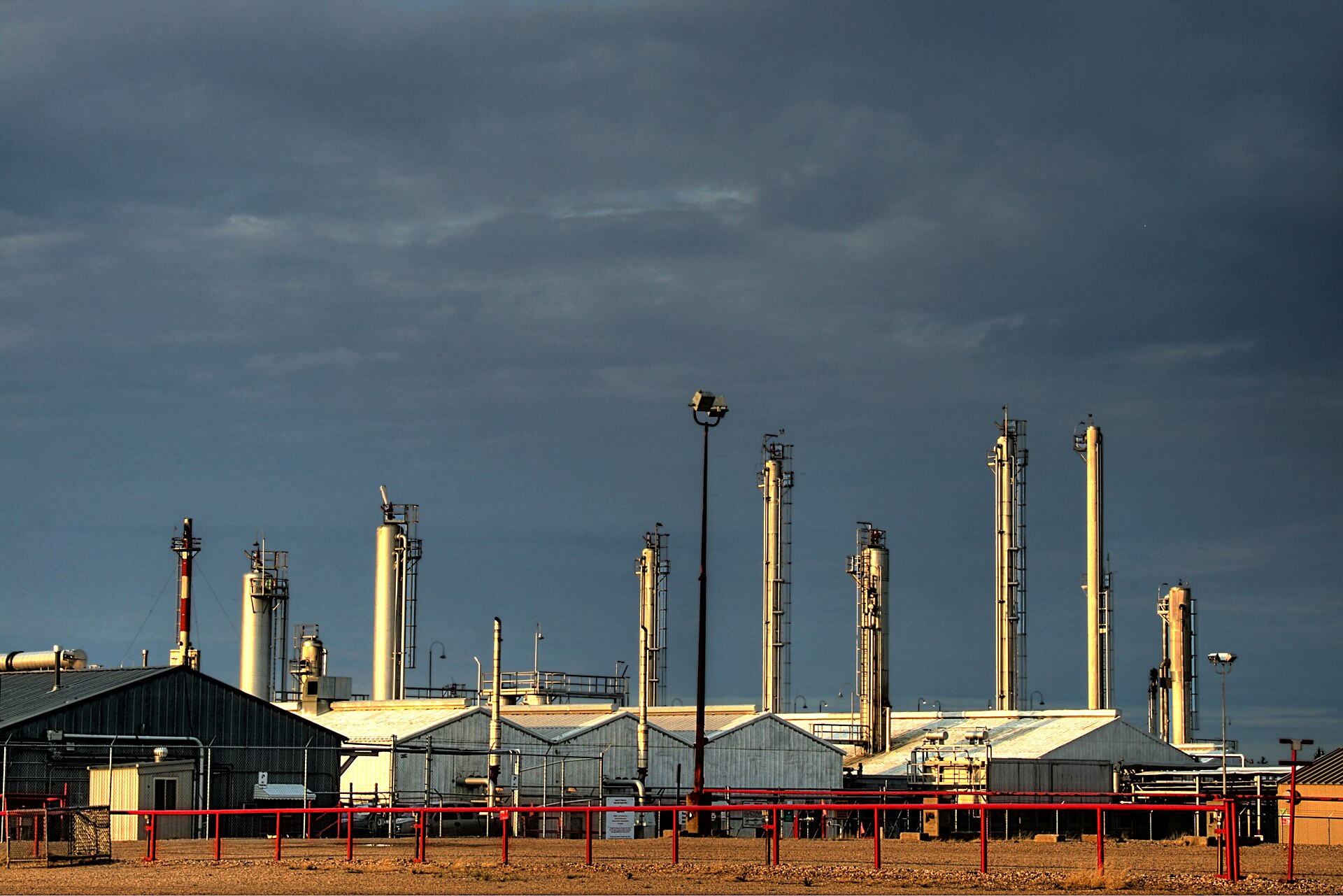
Why the Rubber Plant Is Closing
The shutdown in Puerto General San Martín, Santa Fe province, stems from what the company calls an unviable business. A collapse in local demand from Argentina’s tire industry and a loss of export orders to Brazil hollowed out the plant’s customer base.
Global synthetic-rubber prices also sank under an overabundant supply, making the Argentine facility uncompetitive. Pampa Energía concluded the rubber line could not recover within a reasonable timeframe.
The Human Cost in Santa Fe
Roughly 130 of the complex’s 500 employees face direct risk from the closure. Union sources and local reports suggest the total number of affected workers, including indirect positions, could reach 200.
Pampa Energía has said it will try to reassign part of the staff to other operations at the petrochemical complex. The plant had long been a pillar of industrial employment in the riverside corridor north of Rosario.
Live Company IntelligencePampa Energía Shuts Rubber Plant, Bets US$2.7B on Fertilizer — the full investor dossier
How Pampa Energía Plans a Vaca Muerta Export Pivot
While shrinking its petrochemical footprint in Santa Fe, the company is expanding aggressively downstream. Its flagship project is Fertil Pampa, a massive urea plant to be built in the port city of Bahía Blanca, Buenos Aires province.
The facility will connect directly to Vaca Muerta gas pipelines, using cheap shale gas as feedstock. Pampa Energía expects to create more than 3,500 direct construction jobs and around 300 permanent positions once the plant starts operating.
The RIGI Scheme Explained Plainly
Both the urea project and broader Vaca Muerta crude-export ambitions lean on Argentina’s RIGI, or Large Investment Incentive Regime. The scheme offers foreign and local investors a locked-in tax, customs, and foreign-exchange framework for large projects.
In practice, RIGI guarantees that key rules on profit repatriation, import duties, and corporate taxes will not change for decades. For a company like Pampa Energía, that stability is meant to make a US$2.7 billion bet bankable.
The urea plant alone is projected to contribute roughly US$1 billion per year to Argentina’s economy through import substitution and exports, chiefly to Brazil. It marks a strategic pivot from serving a shrinking domestic market to feeding global demand.
What This Means for Expats and Investors
The contrasting moves highlight a broader reshaping of Argentina’s industrial map. For foreign readers, the closure signals that legacy manufacturing tied to local consumption is under severe pressure, even for a powerhouse like Pampa Energía.
At the same time, the Fertil Pampa project shows where the real growth is: capital-intensive, export-focused ventures anchored by Vaca Muerta’s low-cost natural gas. Investors watching Argentina should note that the RIGI framework is designed specifically to protect such multibillion-dollar commitments from the country’s history of sudden rule changes.
For expats living in Argentina, the job shifts matter locally. While Santa Fe loses a traditional employer, Bahía Blanca stands to gain a construction boom and long-term skilled positions, potentially reshaping real estate and service demand in that port city.
What Happens Next
In the short term, attention will focus on how many of the 130 affected workers in Santa Fe are successfully reassigned within Pampa Energía’s remaining operations. Union negotiations will likely set the tone for future industrial restructurings in the region.
On the growth side, the company will push forward with final investment decisions and engineering contracts for the Bahía Blanca urea plant. The project’s timeline will be a key test of whether Argentina’s RIGI incentives can truly accelerate mega-projects that have been discussed for years.
More: Argentina news in English, every day from The Rio Times.
Frequently Asked Questions
What is Pampa Energía?
Pampa Energía is Argentina’s largest independent energy company, with operations in electricity generation, oil and gas exploration, and petrochemicals. It is a key player in the country’s energy transition and a major actor in the Vaca Muerta shale boom.
Why is the synthetic-rubber plant closing?
The plant became unviable after a collapse in local tire-industry demand, loss of exports to Brazil, and a global oversupply that depressed international prices. Pampa Energía determined the rubber business line could not recover within a reasonable timeframe.
What does the RIGI scheme do for investors?
Argentina’s Large Investment Incentive Regime (RIGI) locks in tax, customs, and foreign-exchange rules for decades, giving companies certainty when committing billions of dollars to long-term projects. It guarantees stability on profit repatriation, import duties, and corporate taxes, shielding investors from sudden policy shifts.
Connected Coverage
Sources: Pampa Energía; Union sources.
This article was produced by The Rio Times’ automated newsroom system. How we use AI · Report an error
Read More from The Rio Times