Is Panama Safe? A 2026 Safety Guide for Expats and Nomads
Panama · Living in Panama
Key Facts
—The big picture. Panama is among the safest countries in Latin America.
—Main risk. Opportunistic theft, like pickpocketing, far more than violent crime.
—Safe bases. Casco Viejo, El Cangrejo, Costa del Este, Coronado and Boquete.
—Areas to skip. Colón city and a few rough Panama City pockets after dark.
Is Panama safe? It is the question almost every newcomer asks, and the reassuring answer is that Panama is one of the calmer corners of Latin America. Like any country it has streets to know and streets to skip, so this honest, area-by-area guide gives you the real picture for 2026.
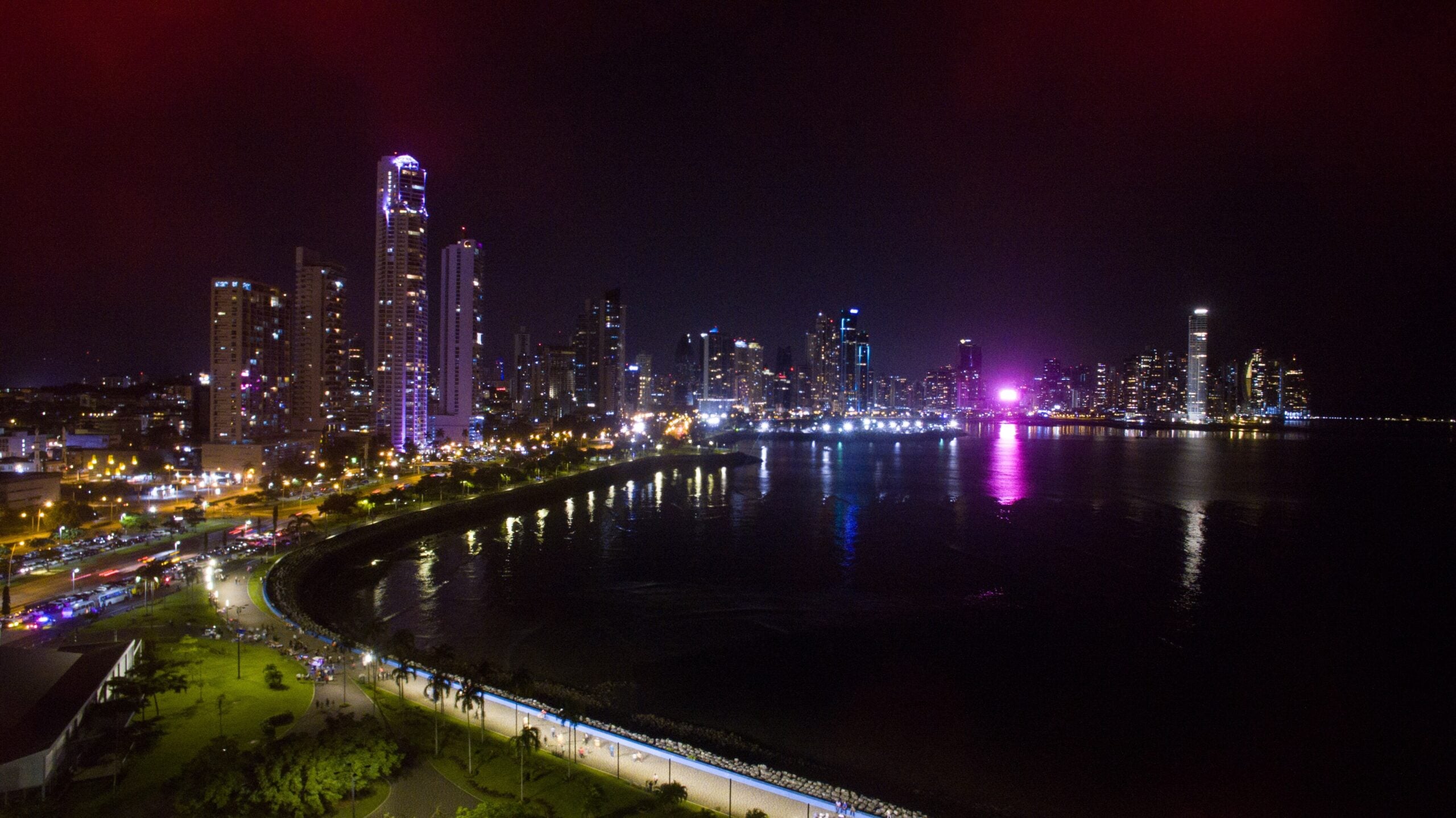
The honest big picture
Let us answer the headline question directly. By the numbers, Panama is statistically one of the safest countries in the region, with violent crime rates well below those of many of its neighbours.
That does not mean it is risk-free, and pretending otherwise would not help you. The realistic concern for most expats and travellers is petty theft, not the dramatic crime that makes headlines elsewhere.
Where expats feel comfortable
The good news is that the areas expats actually live in are reassuringly secure. The modern districts of Punta Pacifica and Costa del Este are quiet and well kept, while El Cangrejo buzzes with cafés and feels comfortable on foot.
The historic quarter of Casco Viejo is patrolled by a dedicated tourist police and stays lively day and night. Beyond the capital, the Coronado beach area and the highland town of Boquete are calm, community-minded places where many foreigners settle.
Areas to be cautious about
Every city has corners best avoided, and Panama City is no different. Neighbourhoods such as El Chorrillo, Curundú and parts of San Miguelito sit off the usual expat map and are not places to wander, especially after dark.
The port city of Colón, at the Caribbean end of the canal, has a long-standing reputation for crime. It is fine to pass through on a tour, but it is not somewhere casual visitors should explore alone.
Simple precautions that work
The habits that keep you safe in Panama are the same ones that serve any traveller. Keep expensive jewellery and phones out of sight on the street, carry only the cash you need, and stay alert in crowded markets and on busy buses.
After dark, use a ride-hailing app or a registered taxi rather than walking through unfamiliar areas. A little common sense goes a remarkably long way here.
It also helps to choose your base wisely, since neighbourhood matters more than city. Our guide to where to live in Panama breaks down the friendliest areas in detail.
Registering with your embassy and saving a few local emergency numbers takes minutes and adds real peace of mind. The national emergency line is 911, and it is answered around the clock.
Natural safety and peace of mind
It is worth remembering that safety is about more than crime. Panama sits largely outside the main hurricane belt, which spares it the worst tropical storms that batter parts of the Caribbean.
The everyday risks are gentler ones, like strong sun, heavy rainy-season downpours and ocean currents at some beaches. A healthy respect for the weather and the water rounds out a sensible approach to living well here.
Scams and street smarts
The wrinkles you are most likely to meet are minor ones. Watch for taxi drivers who quote inflated fares to tourists, and agree a price or use a ride-hailing app before you set off.
Treat unsolicited help at cash machines with polite caution, and keep digital copies of your passport and documents. These small habits prevent almost all the trouble newcomers report.
On the road
Driving is the area where care pays off most. Panama City traffic is busy and assertive, and rural roads can be poorly lit, so many newcomers ease in with ride-hailing before getting behind the wheel.
Everyday confidence
The quickest way to feel at home is to learn your own neighbourhood well. Knowing which streets are lively, where the nearest pharmacy sits and which café the regulars use builds real, grounded confidence.
Locals are generally warm and helpful, and a little Spanish unlocks that warmth. Asking a shopkeeper or a neighbour for advice is both the friendly thing to do and the safest.
Trust your instincts
As anywhere in the world, your own judgement is the best tool you carry. If a street feels too quiet or a situation feels off, simply turn around, and you will rarely go wrong.
With that gentle awareness in place, most expats soon stop thinking about safety at all. They get on with the happy business of enjoying a sunny, welcoming country.
Is Panama safe for expats and tourists?
By regional standards Panama is one of the calmer places to live, and the areas where expats cluster are generally safe day to day. The usual city-sense rules apply, as they would in any capital.
Petty theft, not violent crime, is the everyday risk for most foreigners. Watch your phone in crowds and use registered taxis or apps at night.
How Panama compares with its neighbours
Panama tends to feel more settled than several Central American neighbours, helped by a stable economy and a large expat presence. That is part of why retirees have favoured it for decades.
Pockets such as parts of Colon warrant more caution, and locals will tell you where not to wander. Listen to that local knowledge and you will rarely have trouble.
More: Latin America news in English, every day from The Rio Times.
Frequently Asked Questions
Is Panama safe for expats and tourists?
Yes, on the whole. Panama is one of the safest countries in Latin America, and the main risk for visitors is petty theft rather than violent crime, especially in the popular expat areas.
Which parts of Panama should I avoid?
Steer clear of neighbourhoods such as El Chorrillo, Curundú and parts of San Miguelito, and treat the city of Colón with caution. These areas sit outside the usual expat and tourist routes.
Is Panama City safe at night?
Popular districts like Casco Viejo, El Cangrejo and Costa del Este are comfortable in the evening. As anywhere, use a ride-hailing app after dark and avoid quiet, unfamiliar streets.
Expats in Panama — more guides
This article was produced by The Rio Times’ automated newsroom system. How we use AI · Report an error · Editorial responsibility: Matthias Camenzind, Editor-in-Chief
Expat Guide to Panama
What The Rio Times publishes for foreigners who live in or move to Panama.
Start here
- Cost of Living Boquete Panama 2026: Rent Above the Average Wage
- Panama Residency Visa Routes in 2026 and What Each One Actually Costs
- Healthcare in Panama 2026, Specialist Visits US$60-300
- Panama Safety for Expats in 2026: One Province Skews Everything
City guides
Coming up in Panama
- Cristo Negro Portobelo Festival Moves Outdoors in Panama on 21 October 21 Oct
- InterNations Panama City Masquerade Set for 30 October at Tío Navaja 30 Oct
- Ad Sidera Semper 2026 in Bocas del Toro, Panama: Five Days of Island Festival from October 30 to November 4 30 Oct
- Omar Courtz in Panama: Estadio Emilio Royo on 26 November, Tickets from 25 US Dollars 26 Nov
Understand Panama