
MOROCCO · HISTORY
Key Facts
- —The basics Morocco, a kingdom of 36.8 million people at the 2024 census, grew from Amazigh and Roman roots into Islamic dynasties, became a French and Spanish protectorate in 1912 and regained independence in 1956.
- —Why it matters The Alaouite dynasty has reigned since the 17th century, so King Mohammed VI still controls the army, religion and foreign policy while elected governments run daily affairs as of October 2026.
- —The numbers The protectorate lasted 44 years, King Hassan II ruled for 38 years until 1999, and turnout in the Wednesday, 23 September 2026 election fell to 38.02%, the lowest since 2007.
- —Who is who King Mohammed VI has reigned since 23 July 1999; Fatima Ezzahra El Mansouri of the Authenticity and Modernity Party became head of government designate on Tuesday, 29 September 2026.
- —What to watch El Mansouri must have her cabinet appointed by the King and then win a confidence vote in the House of Representatives, where a majority needs 198 of 395 seats.
- —Prediction markets Polymarket gives a 91.5% chance that Aziz Akhannouch is out as Morocco’s prime minister by 31 December 2026 (14 October, 12:39 p.m. ET).
- —What it means for you Morocco signed a friendship treaty with the United States in 1786 and is a close US partner today, so its history explains its stability, its Western Sahara claim and its pull for American travellers.
Morocco history runs from ancient human fossils through Roman towns, Islamic dynasties and colonial rule to a modern monarchy. This guide explains the turning points a US reader needs in 2026.
Morocco history begins long before the kingdom, with Amazigh peoples, Phoenician traders and the Roman town of Volubilis. Arab armies brought Islam in the late seventh century, and a line of dynasties built the cities visitors know today.
France and Spain divided the country in 1912, and Morocco won back its independence in 1956. Since then its kings have kept the final word, while elected governments led by a head of government manage daily policy.
Before Islam, Amazigh Lands and Roman Towns
Scientists dated human fossils found at Jebel Irhoud, west of Marrakech, to about 300,000 years ago. The 2017 study by the Max Planck Institute placed them among the oldest known remains of Homo sapiens.
The Amazigh, often called Berbers, are the oldest known inhabitants of North Africa. Their language, Tamazight, became an official language of Morocco alongside Arabic in the 2011 constitution.
Phoenician and later Carthaginian sailors set up trading posts along the coast. Inland, the Amazigh kingdom of Mauretania grew strong before Rome absorbed it in the first century.
Rome ruled the north as the province of Mauretania Tingitana, named after Tingis, today’s Tangier. Its town of Volubilis near Meknes, a UNESCO World Heritage Site since 1997, survives in excellent condition.
Islam and the Great Dynasties
Arab armies reached Morocco in the late seventh century and spread Islam among the Amazigh tribes. In 788, Idris I, a descendant of the Prophet Muhammad, founded the first Moroccan Islamic dynasty.
His son Idris II developed Fez into a capital of trade and learning. The University of al-Qarawiyyin in Fez was founded in 859 by Fatima al-Fihri, a woman from a merchant family.

Two Amazigh dynasties then built empires that reached into Spain. The Almoravids founded Marrakech in the 11th century, and the Almohads raised its Koutoubia Mosque in the 12th century.
The Marinids ruled from Fez from the 13th century, followed by the Wattasids and the Saadians. In 1578 the Saadians defeated Portugal at the Battle of the Three Kings near Ksar el-Kebir.
The Alaouite dynasty, which still reigns, took power in the 17th century. Like the Idrisids, the Alaouites claim descent from the Prophet, the root of the King’s religious title, Commander of the Faithful.
Morocco and the Young United States
Morocco and the United States signed a treaty of peace and friendship in Marrakech on Friday, 23 June 1786. US envoy Thomas Barclay and Sultan Sidi Muhammad concluded it, the US Office of the Historian records.
The US consulate in Tangier became a legation in 1905, and diplomatic relations were formally established that year. After independence, the United States opened its embassy in Rabat on 11 June 1956.
The Protectorate Years, 1912 to 1956
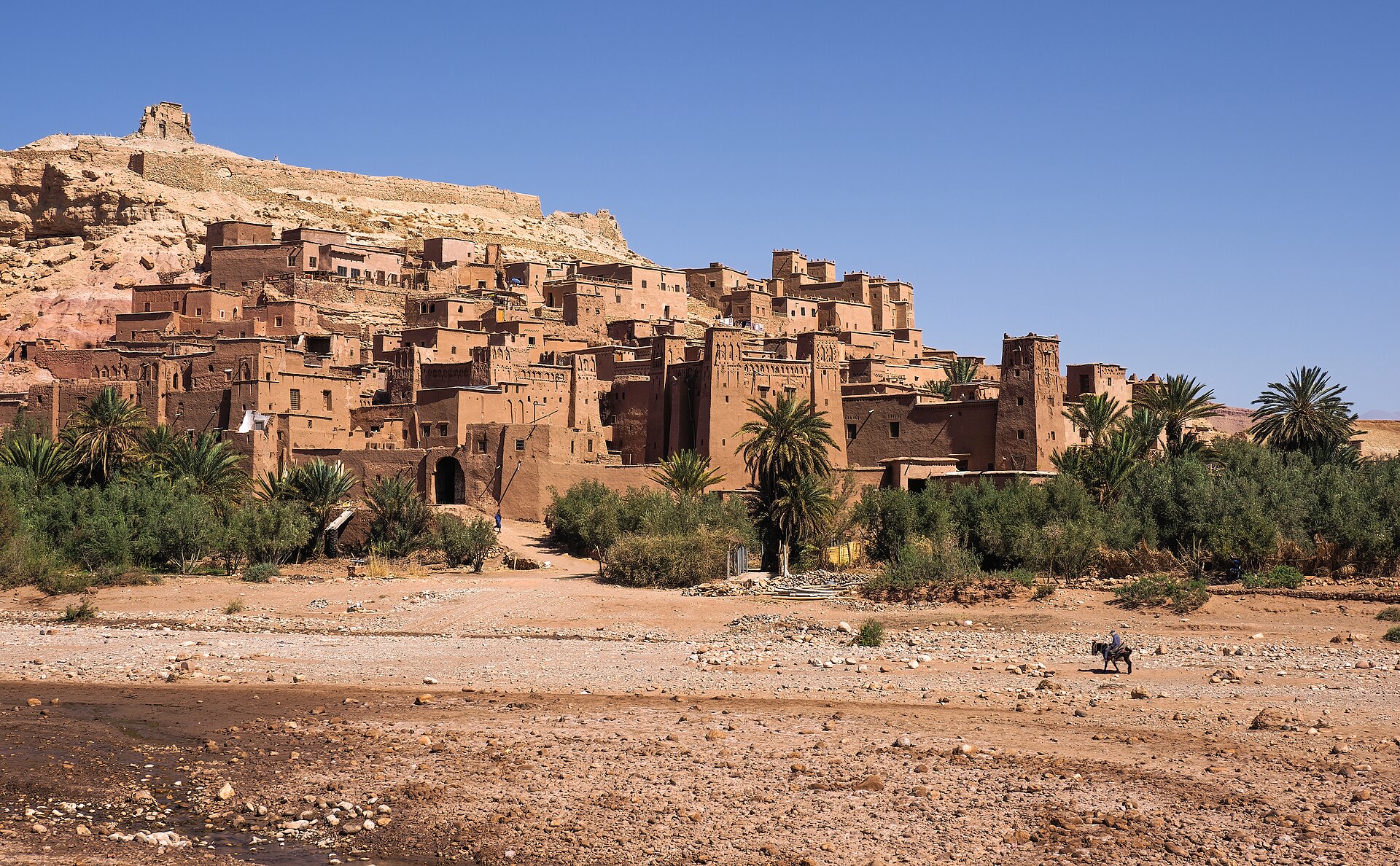
European pressure grew through the 19th century as France and Spain pushed into North Africa. In 1912 the Treaty of Fez made most of Morocco a French protectorate, with Spain taking zones in the north and south.
Tangier became an international zone run by several European powers from the 1920s. In the Rif mountains, Abd el-Krim led a revolt against Spain and France from 1921 until his surrender in 1926.
During the Second World War, US troops landed in Morocco in November 1942 during Operation Torch. In January 1943 President Franklin Roosevelt and Prime Minister Winston Churchill met at Anfa, near Casablanca.
The nationalist Istiqlal Party, Arabic for independence, issued its independence manifesto on 11 January 1944. Istiqlal remains Morocco’s oldest party and joined the new governing majority in October 2026.
France exiled Sultan Mohammed V in 1953 after he sided with the nationalists. Unrest forced his return in November 1955, and France recognised Morocco’s independence on Friday, 2 March 1956.
Kings Hassan II and Mohammed VI
Mohammed V took the title of king in 1957 and died in 1961. His son Hassan II then ruled for 38 years, surviving coup attempts by army officers in 1971 and 1972.
Moroccans call the harshest years of his rule the Years of Lead, a time of arrests and disappearances of opponents. In 2004 an Equity and Reconciliation Commission set up under Mohammed VI investigated those abuses.
On Thursday, 6 November 1975, about 350,000 unarmed Moroccans crossed into Spanish Sahara in the Green March. Spain withdrew, and Morocco took control of most of the territory now called Western Sahara.
The Polisario Front, an independence movement backed by Algeria, fought Moroccan forces until a UN ceasefire in 1991. The UN peacekeeping mission there, MINURSO, still monitors that ceasefire.
Mohammed VI came to the throne on Friday, 23 July 1999. In 2004 a new family code raised women’s rights in marriage and divorce, and protests in 2011 brought a new constitution.
Voters approved that constitution on Friday, 1 July 2011, requiring the King to choose the head of government from the largest party. The King kept command of the army, religion and the final word on foreign policy.
The Road to 2026
The Islamist Justice and Development Party, known as PJD, led governments from 2011 to 2021. In 2021 the National Rally of Independents, a pro business party, won and its leader Aziz Akhannouch became head of government.
Morocco rejoined the African Union in 2017 after leaving its predecessor in 1984 over Western Sahara. On Thursday, 10 December 2020, the United States recognised Moroccan sovereignty over Western Sahara, as Morocco resumed ties with Israel.
In October 2025 the UN Security Council adopted Resolution 2797 by 11 votes to none, with three abstentions. It called Morocco’s autonomy plan a basis for talks and extended MINURSO through 31 October 2026.
Morocco also suffered its deadliest earthquake in decades on Friday, 8 September 2023, when nearly 3,000 people died in the High Atlas. The country is preparing to co host the 2030 World Cup with Spain and Portugal.
In the Wednesday, 23 September 2026 election, the Authenticity and Modernity Party, known as PAM, won 97 of 395 seats. Turnout was 38.02%, the Interior Ministry said, the lowest since 2007.
PAM is a conservative party founded in 2008, and it came second in 2021 before topping the poll in 2026. On Tuesday, 29 September 2026, the King named its coordinator, El Mansouri, head of government.
She is the first woman to be named to the post. On Monday, 12 October, PAM, Istiqlal, the Socialist Union of Popular Forces and the Party of Progress and Socialism announced a majority.
How Morocco History Shapes the Country Today
The monarchy’s religious authority and its long continuity explain why Moroccan politics changes slowly. Elected governments come and go, but the palace sets the course on security, faith and diplomacy.
The protectorate left French as a language of business and higher education, and Spanish in the north. The Amazigh revival since 2011 has put Tamazight on road signs and in schools.
Western Sahara remains the core national cause, shaping ties with Algeria, Europe and Washington. The Rio Times Morocco geopolitics explainer and Morocco power structure pillar follow those threads into the present.
For the parties and leaders in today’s politics, see the guide to Morocco’s key political players. For the wider picture, start with Morocco explained and the Morocco news hub.
What It Means for US Readers
Morocco is one of America’s oldest friends, and the 1786 treaty is still a point of pride on both sides. Today it is a close US security partner in North Africa.
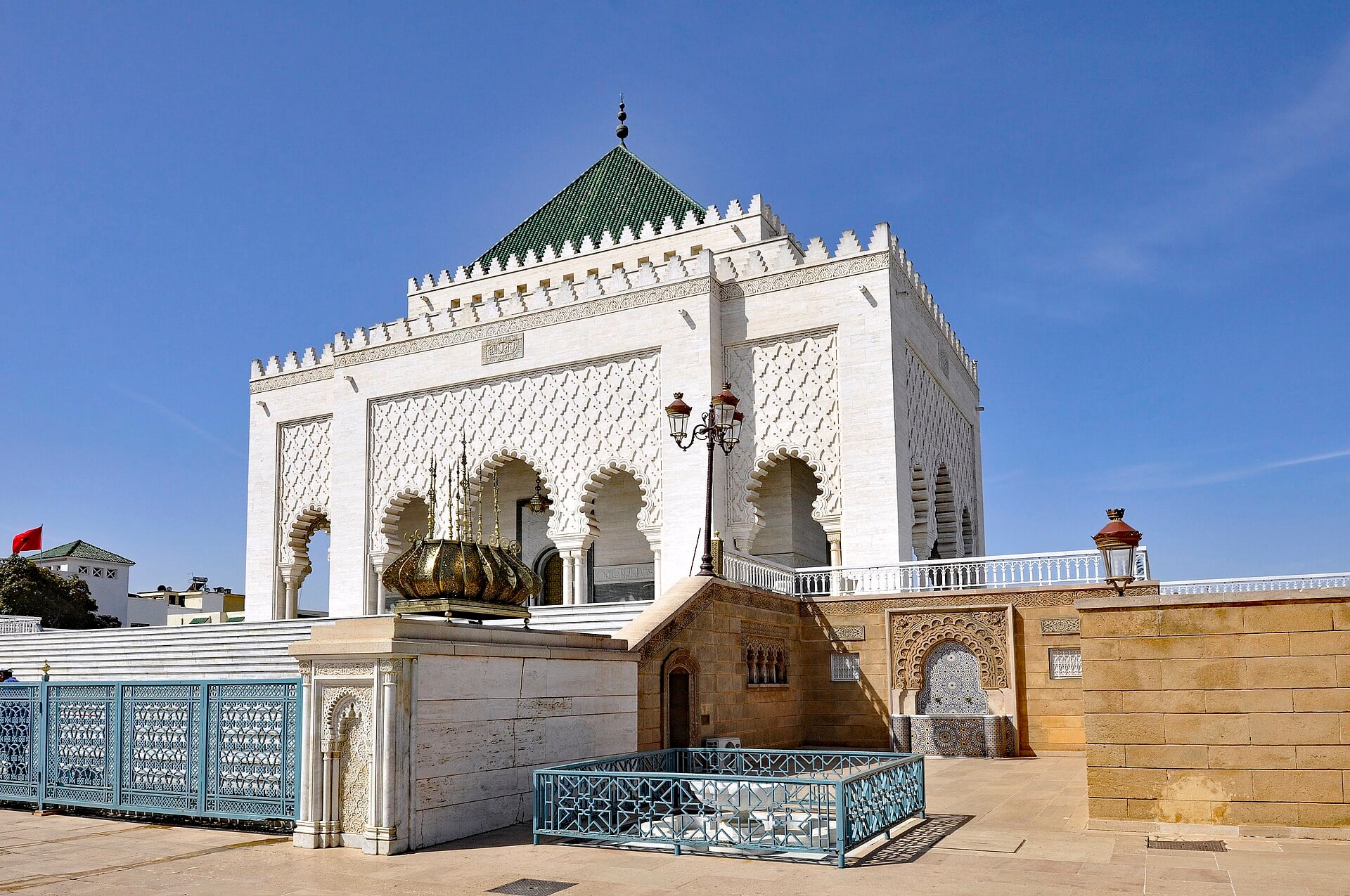
For travellers, the history is visible everywhere, from Volubilis and the Fez medina to the royal mausoleum in Rabat. The Rio Times Rabat city guide and Marrakech city guide help with planning.
For investors, royal continuity has kept Morocco stable through regional storms, including the 2011 Arab Spring protests. Prices here use about 9.77 dirhams per US$, the open.er-api.com rate on 14 October 2026.
What Prediction Markets Say
On Polymarket, traders gave a 91.5% chance that Aziz Akhannouch is out as Morocco’s prime minister by 31 December 2026. That was the price on 14 October at 12:39 p.m. ET, with about US$173,000 traded.
These are bets, not polls, and Akhannouch stays in charge of a caretaker government until a new cabinet is appointed. A separate Polymarket contract gave El Mansouri a 94.75% chance of becoming the next prime minister.
Why we show this: prediction markets turn real-money bets into a live probability that moves within minutes of the news, which is why investors, campaigns and newsrooms in the United States now follow them closely. We show them next to polls and official results, never instead of them.
What Is Not Known
On Wednesday, 14 October 2026, the King received El Mansouri at the Royal Palace for a progress report on forming her government. No cabinet had been named as of 14 October, and the date of the confidence vote is not yet known.
Historians still debate many early dates, including the exact founding years of Marrakech and of parts of Fez. The final status of Western Sahara remains unresolved, and MINURSO’s mandate after 31 October 2026 is undecided.
Frequently Asked Questions
When did Morocco become independent?
France recognised Morocco’s independence on 2 March 1956, ending a protectorate that began in 1912. Spain gave up most of its northern zone the same year.
Who rules Morocco in 2026?
King Mohammed VI, on the throne since 23 July 1999, is head of state and controls the army and religion. Fatima Ezzahra El Mansouri was named head of government on 29 September 2026.
Was Morocco a friend of the early United States?
Yes, the two countries signed a treaty of peace and friendship in Marrakech on 23 June 1786. The US Office of the Historian dates Morocco’s recognition of the United States to that treaty.
What was the Green March?
On 6 November 1975 about 350,000 unarmed Moroccans crossed into Spanish Sahara to press Morocco’s claim. Spain withdrew, and Western Sahara remains disputed with the Polisario Front.
Who are the Amazigh?
The Amazigh, also called Berbers, are the oldest known inhabitants of North Africa. Their language, Tamazight, has been an official language of Morocco since the 2011 constitution.
Which dynasty rules Morocco?
The Alaouite dynasty has reigned since the 17th century and claims descent from the Prophet Muhammad. That lineage underpins the King’s religious title, Commander of the Faithful.
Sources: US Department of State, Office of the Historian, Morocco; Maroc.ma, the King appoints Fatima Ezzahra El Mansouri head of government, 29 September 2026; Maroc.ma, four parties make up the new majority, 13 October 2026; Maroc.ma, statement by the Royal Office, 14 October 2026;Maroc.ma, Interior Ministry provisional 2026 results; UN Security Council, Resolution 2797 (2025); UNESCO, Archaeological Site of Volubilis; Max Planck Society, Jebel Irhoud fossils, 2017; Morocco World News, PAM confirmed as election winner; Polymarket, Akhannouch market, 14 October 2026; open.er-api.com, exchange rates, 14 October 2026.
This article was produced by The Rio Times’ automated newsroom system. How we use AI · Report an error · Editorial responsibility: Matthias Camenzind, Editor-in-Chief
Expat Guide to Morocco
What The Rio Times publishes for foreigners who live in or move to Morocco.
Start here
- Open a Bank Account in Morocco as a Foreigner 2026
- Taxes in Morocco for Expats 2026: The 37% Band Starts Early
- Morocco Residency Visa Requirements 2026: The Ninety-Day Line
- Moving to Morocco and the paperwork that decides everything else
City guides
Coming up in Morocco
- U-17 Women's World Cup in Rabat-Salé: USA Opens 19 October 17 Oct
- Rabat Hosts Global Champions Tour Finals on 30 October 30 Oct
- Morocco's First Unity Day Holiday Is 31 October 2026 31 Oct
- French Star GIMS Plays Casablanca 7 November 7 Nov
Understand Morocco