
GUIDES · MOROCCO
Key Facts
- —Population The 2024 census counted 36,828,330 people on 1 September 2024. The World Bank’s estimate for 2025 is 38.4 million.
- —Growth Growth slowed to 0.85 percent a year between 2014 and 2024. Women had 1.97 children on average in 2024, below replacement level.
- —Age In 2024, 26.5 percent of Moroccans were under 15 and 13.8 percent were 60 or older (census, HCP).
- —Languages Darija, Moroccan Arabic, is used by 91.9 percent and Amazigh languages by 24.8 percent (2024 census).
- —Where people live 62.8 percent live in towns and cities. Casablanca-Settat is the largest region, with 7.689 million people in 2024.
- —Diaspora More than five million Moroccans live abroad (HCP, September 2025). The US had 97,640 Morocco-born residents in 2024 (Census Bureau).
The Morocco population stood at 36.8 million at the September 2024 census, and it is growing more slowly than at any census since 1960. Families are smaller, people live longer and almost two in three Moroccans now live in cities.
For US readers, the numbers explain the country’s labour market, its languages and its large diaspora.
How Many People Live in Morocco
The High Commission for Planning (HCP), Morocco’s national statistics agency, carried out the general census in September 2024. It set the legal population at 36,828,330 on 1 September 2024.
Of these, 36,680,178 were Moroccan citizens and 148,152 were foreign nationals.
The population grew by 2,980,088 people since the 2014 census. That is an average of 0.85 percent a year, down from 1.25 percent between 2004 and 2014.
Growth ran at 2.6 percent a year between 1960 and 1982, according to the HCP.
International estimates are higher. The World Bank puts Morocco’s population at 38.4 million in 2025.
The census count is the official legal population, fixed by government decree. The census also covers the southern regions of Laayoune-Sakia El Hamra and Dakhla-Oued Ed-Dahab, part of the disputed territory of Western Sahara.
In a note published in September 2025, the HCP projects close to 40.5 million people by 2040. Growth would fall to 0.6 percent a year by then.
Even so, the country would add the equivalent of a mid-sized city of about 230,000 people every year.
A Fast Demographic Transition
The main reason for slower growth is falling fertility. Women had 7.2 children on average in 1960, according to the HCP.
The census found 1.97 in 2024, down from 2.2 in 2014 and 2.5 in 2004.
That is below the replacement level of 2.1 children per woman. In cities the rate is 1.77, while rural women have 2.37 children on average.
Only four regions remain above replacement, led by Drâa-Tafilalet at 2.35.
The age pyramid is changing as a result. The share of children under 15 fell from 28.2 percent in 2014 to 26.5 percent in 2024.
People aged 60 and over rose from 9.4 percent to 13.8 percent, close to five million people.
Households are shrinking too. The census counted 9,275,038 households, with an average size of 3.9 people, down from 4.6 in 2014.
One in five households, 19.2 percent, is now headed by a woman.
The HCP expects the over-60 share to reach 19.5 percent by 2040. The HCP says this will require changes to pensions, chronic-disease care and social services.
Where Moroccans Live
Morocco is now a mostly urban country. The urban population reached 23,110,108 in 2024, or 62.8 percent of the total, against 60.4 percent in 2014.
Rural areas held 13,718,222 people and grew by only 0.22 percent a year.
Five regions with more than four million people each hold 71.2 percent of the population. Casablanca-Settat leads with 7.689 million, followed by Rabat-Salé-Kénitra with 5.133 million and Marrakech-Safi with 4.892 million.
Fès-Meknès and Tanger-Tétouan-Al Hoceima complete the group.
The least urban regions are Marrakech-Safi, at 46.0 percent, and Drâa-Tafilalet, at 36.7 percent. The Oriental region in the north-east lost population between the two censuses.
Arabs, Amazigh and Sahrawis: Who Moroccans Are
Morocco does not count its people by ethnic group. The census asks which languages people use, which is the closest official measure of identity.
Arab and Amazigh identities are treated by the state as shared parts of one nation.
The 2011 constitution describes a single national identity with several sources. It says the country’s unity was forged by its Arab-Islamic, Amazigh and Saharan-Hassani components.
It adds African, Andalusian, Hebraic and Mediterranean influences.
The Amazigh, often called Berbers in older English texts, are North Africa’s indigenous people. The census shows where their languages are strongest: Tachelhit is used by 63.2 percent in Souss-Massa, Tamazight by 46.2 percent in Drâa-Tafilalet and Tarifit by 31.1 percent in the Oriental.
The Sahrawis of the far south speak Hassaniya, an Arabic dialect. The constitution commits the state to preserve Hassani as part of Moroccan cultural identity.
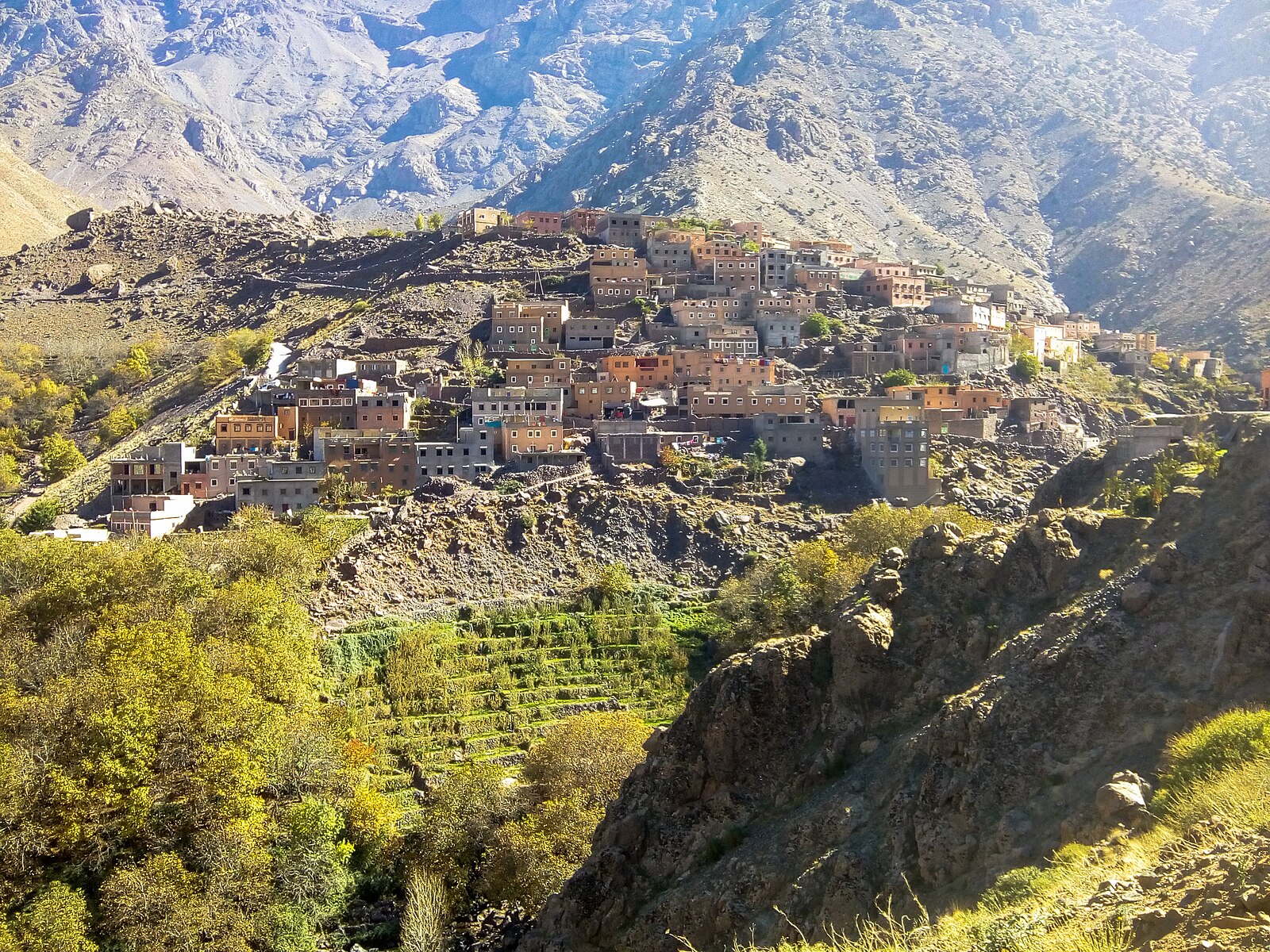
Languages Spoken in Morocco
Article 5 of the constitution makes Arabic the official language of the state. Since 2011, Amazigh has also been an official language, described as the common heritage of all Moroccans.
Daily life runs mostly in Darija, Moroccan Arabic. The census found that 91.9 percent of Moroccans use it, 96.3 percent in towns and 84.5 percent in the countryside.
Amazigh languages are used by 24.8 percent of the population, 19.9 percent in towns and 33.3 percent in rural areas. Three main forms exist:
- Tachelhit, used by 14.2 percent, mainly in Souss-Massa and Guelmim-Oued Noun.
- Tamazight, used by 7.4 percent, mainly in Drâa-Tafilalet and Béni Mellal-Khénifra.
- Tarifit, used by 3.2 percent, mainly in the Oriental and Tanger-Tétouan-Al Hoceima.
Hassaniya is used by 0.8 percent of the population. Among literate people aged 10 and over, 99.2 percent can read and write Arabic.
Only 1.5 percent can write Amazigh in its own Tifinagh script.
French remains the main foreign language. In 2024, 57.7 percent of literate people aged 10 and over could read and write it, against 20.5 percent for English.
Spanish stood at 1.2 percent.
Illiteracy is falling but remains high. The census put it at 24.8 percent of people aged 10 and over, down from 32.2 percent in 2014.
Among those aged 15 to 24 it is just 3.0 percent.
Religion and Minorities
Under the constitution, Islam is the religion of the state. The king holds the title Commander of the Faithful.
More than 99 percent of Moroccans are Sunni Muslims, according to the US State Department’s 2023 religious freedom report.
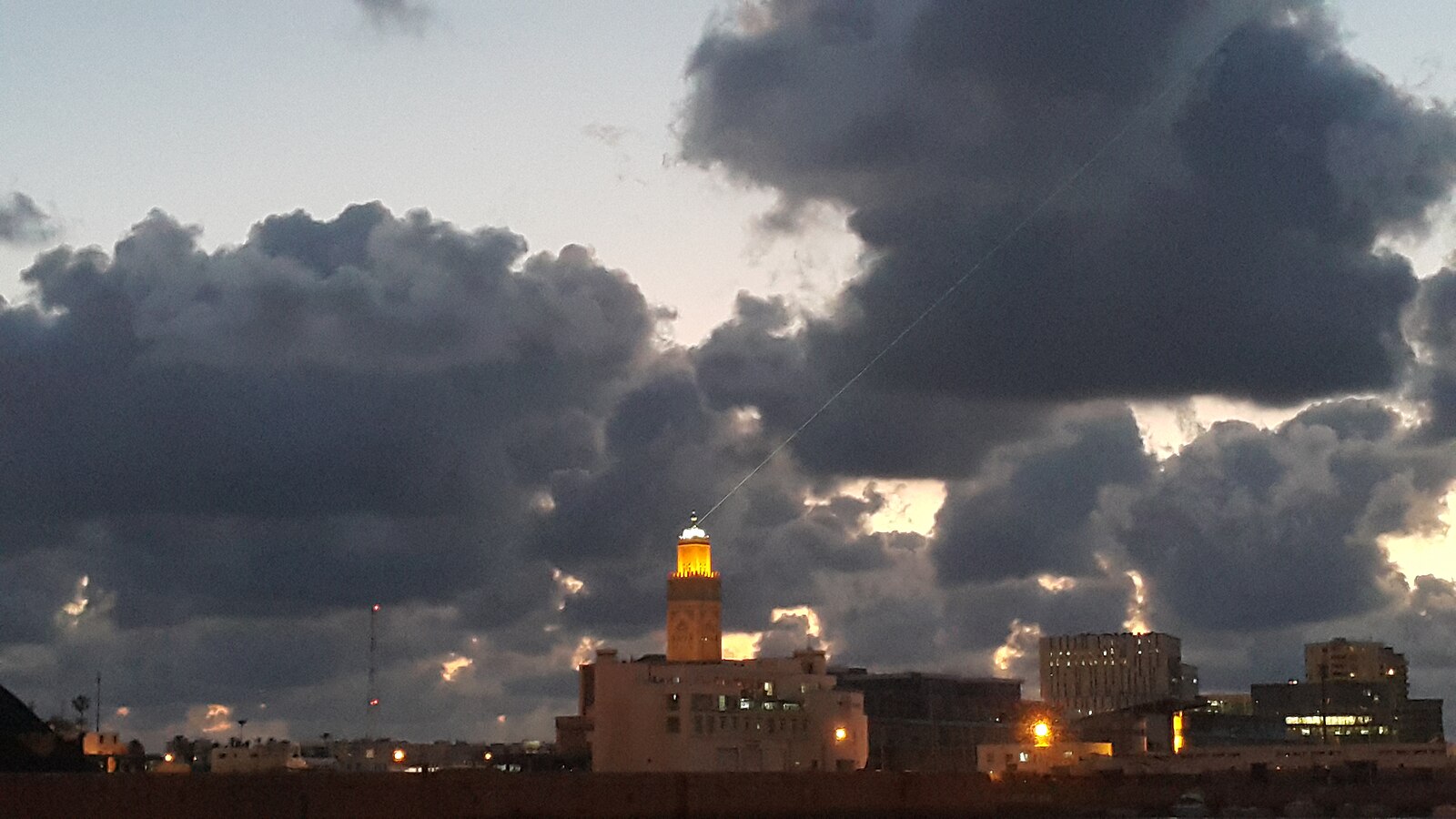
The census does not ask about religion, so minority figures are estimates. Shia leaders count several thousand Shia citizens, most in the north.
Christian community leaders estimate between 1,500 and 12,000 Moroccan Christians, while other estimates are higher.
Foreign residents add tens of thousands of Catholics and Protestants, the same report says. Community leaders estimate about 1,500 Jews, with about 1,000 in Casablanca, though some put the number higher.
The Baha’i community estimates 350 to 400 members.
Immigration and the Diaspora, Including in the United States
Morocco is mainly a country of emigration. The HCP counts more than five million Moroccans living abroad, about 14 percent of the population at home, mostly in Europe.
About 188,000 emigrants have returned since the 2000s, mainly from France, Italy and Spain.
The diaspora matters for the economy. Transfers from Moroccans abroad exceeded MAD 122 billion (about US$12.4 billion) in 2025.
That was up from MAD 118.9 billion (about US$12.1 billion) in 2024, according to Office des Changes data reported by Hespress.
Conversions use Bank Al-Maghrib’s reference rate of MAD 9.8499 per US dollar on 9 October 2026. Bank Al-Maghrib is Morocco’s central bank.
In the United States, the Census Bureau’s 2024 American Community Survey counted 97,640 residents born in Morocco, with a margin of error of 9,250. A wider group, 156,002 people, reported Moroccan ancestry.
Morocco is also a destination. The number of foreign residents rose by 61,946 between 2014 and 2024, or 5.6 percent a year.
The HCP says migrants from sub-Saharan Africa now form the largest group of foreigners.
How Communities Live Together
Arabic and Amazigh identities overlap in most families, and many Moroccans move between Darija, an Amazigh language and French in a single day. The 2011 constitution turned that mix into law by recognising Amazigh as an official language.
The constitution also created a National Council for Languages and Moroccan Culture. Its task is to protect Arabic, Amazigh and other cultural expressions.
The constitution requires an organic law setting out how Amazigh is brought into schools and public life.
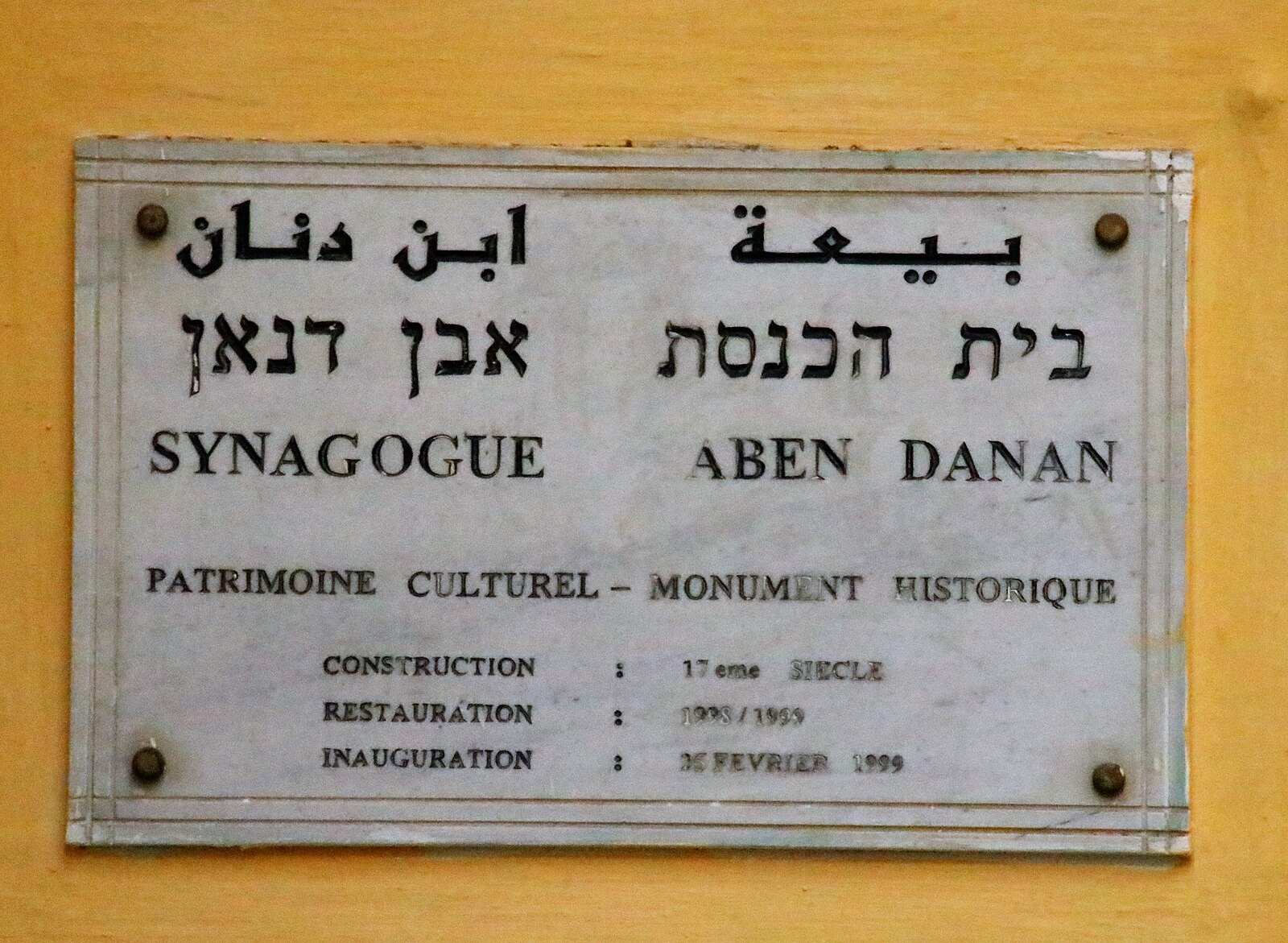
Jewish heritage is part of the official story: the constitution names Hebraic influences among the sources of national identity. The Ibn Danan synagogue in the Fez mellah, the historic Jewish quarter, is listed as a historic monument.
Newer arrivals are a growing policy question. The HCP expects migration from sub-Saharan Africa to increase and calls for a national policy built on integration through the labour market.
What It Means for US Readers
For investors, the census describes a large but ageing workforce. People aged 15 to 59 made up 59.7 percent of the population in 2024.
Average schooling for adults aged 25 and over rose from 4.4 years in 2014 to 6.3 years.
Cities will keep growing, which supports demand for housing, transport and retail. The HCP projects primary-school-age children to fall from 4.2 million in 2024 to 3 million in 2040, while demand for elderly care grows.
For travellers, Darija is what you will hear in the street. French is the most widely read foreign language.
English is more common in cities, read and written by 25.2 percent of literate urban residents against 9.6 percent in rural areas. A few words of Darija are appreciated.
For expats and retirees, Morocco’s foreign community is still small, at about 148,000 people in 2024. Americans of Moroccan descent, about 156,000 people, are a useful network for business and family links.
Connected Coverage
Morocco Explained: The Kingdom, Its Economy, the 2030 World Cup and What to Watch
Who Holds Power in Morocco? Politics Explained 2026
Morocco Culture, the Key Figures to Know in 2026
Foreign Powers and Investors in Morocco 2026
What Is Not Known
There is no official count of Arabs, Amazigh or Sahrawis, because the census measures language, not ethnicity. Language use is self-reported, so it is not a precise measure of identity.
Religious minorities are not counted either, so all figures for Christians, Jews and Shia Muslims are estimates. The number of migrants living in Morocco without papers is also unknown.
The gap between the census and international estimates has not been fully explained. The HCP’s figure of more than five million Moroccans abroad is an estimate, and many hold a second nationality.
Frequently Asked Questions
What is the population of Morocco?
The 2024 census counted 36,828,330 people on 1 September 2024. The World Bank estimates 38.4 million for 2025. Growth slowed to 0.85 percent a year between 2014 and 2024.
What are the main ethnic groups in Morocco?
Morocco does not count ethnic groups. Most Moroccans have mixed Arab and Amazigh roots, and the Sahrawis of the south speak Hassaniya. The constitution names Arab-Islamic, Amazigh and Saharan-Hassani components.
What languages do Moroccans speak?
Arabic and Amazigh are official languages. The 2024 census found 91.9 percent use Darija and 24.8 percent use an Amazigh language. French is the most common foreign language.
What religion are most Moroccans?
Islam is the state religion, and more than 99 percent of Moroccans are Sunni Muslims, according to the US State Department. Small Jewish, Christian, Shia and Baha’i communities also exist.
How many Moroccans live in the United States?
The Census Bureau’s 2024 American Community Survey counted 97,640 Morocco-born residents. A total of 156,002 people reported Moroccan ancestry.
Is Morocco’s population ageing?
Yes. Fertility fell to 1.97 children per woman in 2024, and people aged 60 and over rose to 13.8 percent. The HCP expects that share to reach 19.5 percent by 2040.
Sources: HCP, legal population from the 2024 census; HCP, RGPH 2024 note on main demographic and socioeconomic results (December 2024); HCP, demographic dynamics and public policy (September 2025); World Bank, population estimate; US Census Bureau, ACS 2024 place of birth (B05006); US Census Bureau, ACS 2024 ancestry (B04006); US State Department, 2023 Report on International Religious Freedom: Morocco; Constitution of Morocco, 2011 (HACA); Bank Al-Maghrib, reference exchange rates; Hespress, Office des Changes remittance data. All accessed 12 October 2026.
Editorial responsibility: Matthias Camenzind, Editor-in-Chief · Editorial standards · Report an error
Part of our ongoing coverage
Africa: The New Scramble — the great-power contest over the continent.
Expat Guide to Morocco
What The Rio Times publishes for foreigners who live in or move to Morocco.
Start here
- Open a Bank Account in Morocco as a Foreigner 2026
- Taxes in Morocco for Expats 2026: The 37% Band Starts Early
- Morocco Residency Visa Requirements 2026: The Ninety-Day Line
- Moving to Morocco and the paperwork that decides everything else
City guides
Coming up in Morocco
- U-17 Women's World Cup in Rabat-Salé: USA Opens 19 October 17 Oct
- Rabat Hosts Global Champions Tour Finals on 30 October 30 Oct
- Morocco's First Unity Day Holiday Is 31 October 2026 31 Oct
- French Star GIMS Plays Casablanca 7 November 7 Nov
Understand Morocco