In a remarkable turn of events, Morocco has overtaken South Africa as Africa’s leading car manufacturer.
This shift highlights the success of Morocco’s strategic investments in infrastructure and industry.
The rise of Morocco as an automotive powerhouse in 2024 is more than just a statistic; it’s a symbol of economic transformation and ambition.
The country’s automotive industry has seen rapid expansion, largely driven by major factories like Renault-Dacia in Casablanca and Tangier and Stellantis in Kenitra.
These plants, producing vehicles for brands like Peugeot, Citroën, and Fiat, are pivotal to Morocco’s production capabilities.
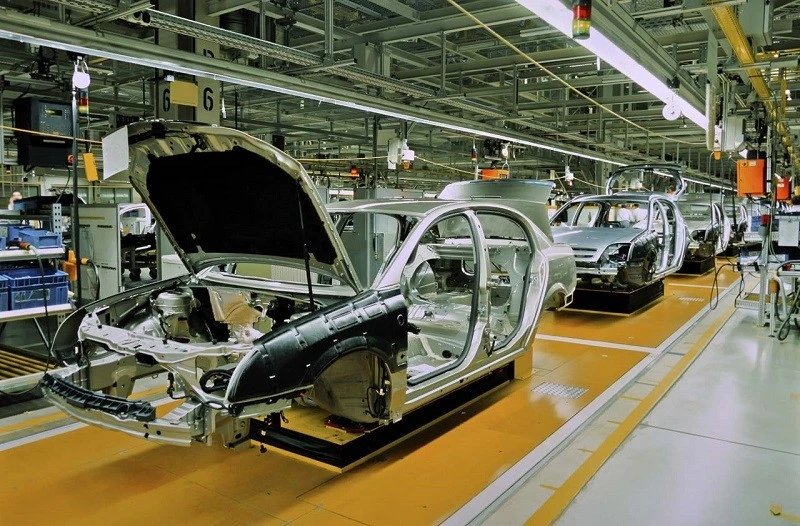
This year, Morocco is set to produce 614,000 vehicles, surpassing South Africa’s 591,000.
South Africa’s decline is due to logistical challenges and increased imports, while Morocco’s success stems from significant government and private investments.
Morocco’s advantageous trade agreements with the European Union and its strategic location have facilitated exports, making it a preferred hub for foreign investors.
The country offers attractive tax incentives, further boosting its appeal. Renault, for instance, plans to produce over 500,000 cars annually in Morocco by 2025.
With projections suggesting a potential production of 1.09 million vehicles by 2033, Morocco could soon rank among the global leaders in car manufacturing.
Morocco’s Automotive Industry
The growth of the automotive industry in Morocco extends beyond production numbers. It has created thousands of jobs and spurred local infrastructure development.
This burgeoning industry fosters a value chain that benefits sectors from transport and logistics to spare parts manufacturing.
The positive ripple effect on the Moroccan economy is substantial, showcasing the potential for industrial growth in the region.
More: Morocco news in English, every day from The Rio Times.
This article was produced by The Rio Times’ automated newsroom system. How we use AI · Report an error · Editorial responsibility: Matthias Camenzind, Editor-in-Chief
Part of our ongoing coverage
Africa: The New Scramble — the great-power contest over the continent.