IBOV 185,629.04 ▼ 0.93% IPSA 11,370.36 ▼ 0.39% IPC MEX 64,814.97 ▼ 0.39% MERVAL 3,110,163 — 0.00% COLCAP 2,584.02 ▲ 0.57% BVL PERÚ 60,246.14 ▲ 0.76% USD/BRL5.11— 0.00% USD/MXN16.93▲ 0.19% USD/CLP930.54▲ 0.31% USD/COP3,100▼ 0.55% USD/PEN3.35▼ 0.15% USD/ARS1,514▲ 0.12% USD/UYU40.22▲ 3.03% USD/PYG5,869▲ 1.64% USD/BOB12.58▲ 3.76% USD/DOP58.59▲ 0.15% USD/CRC448.95▲ 2.03% USD/GTQ7.63▲ 3.05% USD/HNL26.84▲ 3.17% USD/NIO36.62▲ 0.34% USD/VES825.67▲ 0.80% USD/PAB1.00— 0.00% USD/BZD2.00— 0.00% USD/JMD 157.28 — 0.00% USD/TTD6.70▲ 1.87% EUR/BRL5.94▲ 0.55% BRENT 88.88 ▼ 0.03% WTI 83.11 ▼ 0.11% IRON ORE 161.91 — — COPPER 6.61 ▲ 0.03% GOLD 4,461 ▲ 1.78% SILVER 65.59 ▲ 1.26% SOY 1,184 ▲ 3.20% CORN 480.50 ▲ 10.02% WHEAT 655.00 ▲ 3.93% COFFEE 317.25 ▼ 5.51% SUGAR 16.43 ▼ 1.79% ORANGE JUICE 138.55 ▼ 0.47% COTTON 85.03 ▲ 2.33% COCOA 5,719 ▲ 3.18% BEEF 223.60 ▼ 3.93% CATTLE 339.10 ▼ 3.16% LITHIUM 75.20 ▲ 1.47% PETR4 41.64 ▼ 0.05% VALE3 72.97 ▲ 0.83% ITUB4 38.60 ▼ 1.03% BBDC4 16.85 ▲ 0.36% ABEV3 14.89 ▼ 0.80% BBAS3 19.37 ▲ 0.47% B3SA3 14.26 ▼ 0.21% WEGE3 47.59 ▲ 0.49% PRIO3 59.14 ▼ 0.19% SUZB3 41.33 ▲ 2.35% RENT3 34.68 ▼ 0.09% AZZA3 15.89 ▼ 2.63% CSAN3 3.22 ▼ 1.83% RAIZ4 0.25 — 0.00% PCAR3 2.75 ▼ 0.36% GMAT3 3.65 ▼ 1.08% PSSA3 48.13 ▼ 0.54% CVCB3 1.33 ▼ 2.92% POSI3 3.36 ▲ 2.44% SLCE3 13.34 ▲ 0.30% NATU3 8.14 ▼ 0.73% IBOV 185,629.04 ▼ 0.93% IPSA 11,370.36 ▼ 0.39% IPC MEX 64,814.97 ▼ 0.39% MERVAL 3,110,163 — 0.00% COLCAP 2,584.02 ▲ 0.57% BVL PERÚ 60,246.14 ▲ 0.76% USD/BRL 5.16 ▲ 0.01% USD/MXN 17.06 ▼ 0.24% USD/CLP 913.98 ▲ 0.04% USD/COP 3,140 ▲ 0.03% USD/PEN 3.36 ▼ 0.66% USD/ARS 1,493 ▲ 0.10% USD/UYU 40.27 ▲ 1.24% USD/PYG 5,939 ▲ 1.68% USD/BOB 11.64 ▼ 0.76% USD/DOP 58.34 ▲ 1.25% USD/CRC 445.92 ▲ 0.89% USD/GTQ 7.62 ▲ 2.21% USD/HNL 26.79 ▲ 1.57% USD/NIO 36.62 ▲ 0.69% USD/VES 762.44 ▼ 0.13% USD/PAB 1.00 — 0.00% USD/BZD 2.00 — 0.00% USD/JMD 157.28 — 0.00% USD/TTD 6.70 ▲ 0.61% EUR/BRL 5.95 ▲ 1.01% BRENT 88.88 ▼ 0.03% WTI 83.11 ▼ 0.11% IRON ORE 161.91 — — COPPER 6.61 ▲ 0.03% GOLD 4,461 ▲ 1.78% SILVER 65.59 ▲ 1.26% SOY 1,184 ▲ 3.20% CORN 480.50 ▲ 10.02% WHEAT 655.00 ▲ 3.93% COFFEE 317.25 ▼ 5.51% SUGAR 16.43 ▼ 1.79% ORANGE JUICE 138.55 ▼ 0.47% COTTON 85.03 ▲ 2.33% COCOA 5,719 ▲ 3.18% BEEF 223.60 ▼ 3.93% CATTLE 339.10 ▼ 3.16% LITHIUM 75.20 ▲ 1.47% PETR4 41.64 ▼ 0.05% VALE3 72.97 ▲ 0.83% ITUB4 38.60 ▼ 1.03% BBDC4 16.85 ▲ 0.36% ABEV3 14.89 ▼ 0.80% BBAS3 19.37 ▲ 0.47% B3SA3 14.26 ▼ 0.21% WEGE3 47.59 ▲ 0.49% PRIO3 59.14 ▼ 0.19% SUZB3 41.33 ▲ 2.35% RENT3 34.68 ▼ 0.09% AZZA3 15.89 ▼ 2.63% CSAN3 3.22 ▼ 1.83% RAIZ4 0.25 — 0.00% PCAR3 2.75 ▼ 0.36% GMAT3 3.65 ▼ 1.08% PSSA3 48.13 ▼ 0.54% CVCB3 1.33 ▼ 2.92% POSI3 3.36 ▲ 2.44% SLCE3 13.34 ▲ 0.30% NATU3 8.14 ▼ 0.73%
since 2009
Thursday, September 10, 2026

Africa Western Africa

Senegal’s Oil Industry Hits Milestone with Sangomar’s January Output

By · February 10, 2025 · 2 min read

Africa Intelligence

One email, every weekday morning. African markets, politics and business — filed from our newsroom in Rio.

Yesterday’s subject line: “Nigeria's Dangote signs for Africa's biggest IPO ever”

Free. We send a confirmation link first — nothing arrives until you click it. Unsubscribe with one click in any edition. If you stop opening us for 30 days we stop sending by ourselves, as we assume the interest is no longer there. See our privacy policy. We never share your email.

Senegal’s Ministry of Energy, Petroleum, and Mines reported that the Sangomar offshore oil field produced 3.11 million barrels of crude oil in January 2025.

This production milestone reflects the country’s growing role in global energy markets since it began oil extraction in June 2024. During January, three shipments totaling 2.89 million barrels were exported and sold internationally, underscoring the project’s integration into global trade.

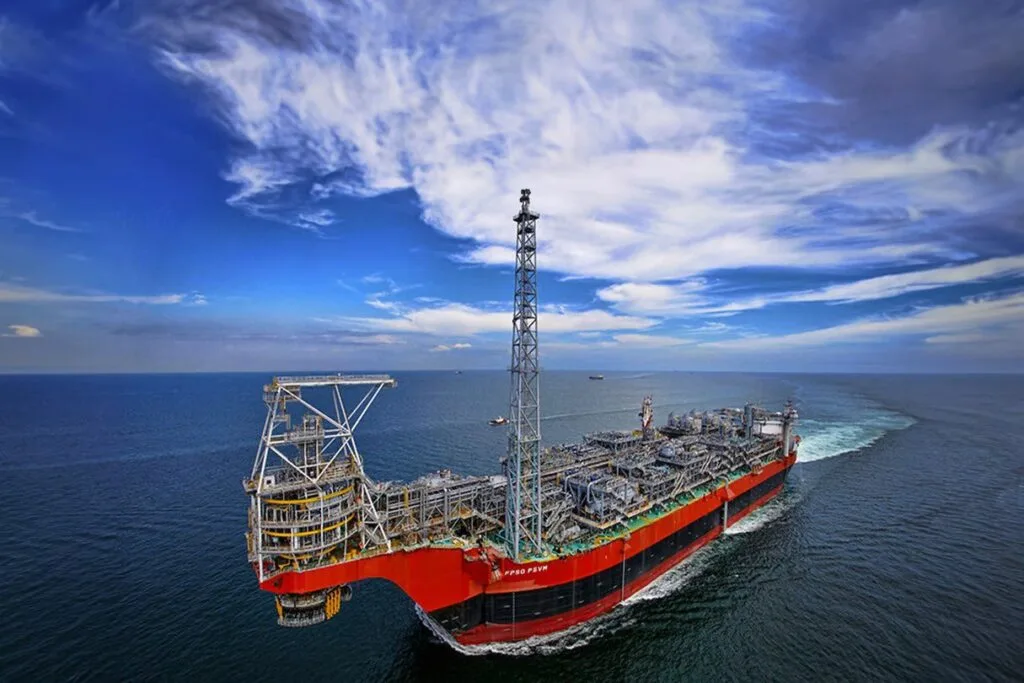
The Sangomar field, located 100 kilometers south of Dakar, is Senegal’s first offshore oil project and is operated by Australia’s Woodside Energy in partnership with Senegal’s national oil company, Petrosen.

Woodside holds an 82% stake, while Petrosen owns the remaining 18%. The project represents a $5 billion investment and aims to produce 100,000 barrels per day throughout 2025. Total annual production is projected at 30.53 million barrels.

This achievement follows an impressive performance in 2024. During that year, Sangomar exceeded its target by producing 16.9 million barrels instead of the planned 11.7 million barrels.
Senegal’s Oil Industry Hits Milestone with Sangomar’s January Output
Senegal’s Oil Industry Hits Milestone with Sangomar’s January Output.
One-stop reference
Company Intelligence
Every listed company in Latin America — financials, ownership and structure for 1,450+ companies across 26 exchanges, in one place.
Browse the directory →
RT
Ask Rio Times
17 years of Latin America reporting, on demand.
Open the full Ask Rio Times →

The operation relies on advanced infrastructure, including the Leopold Sedar Senghor floating production storage and offloading (FPSO) vessel, which can store up to 1.3 million barrels of crude oil at a time.

Economic Impacts and Challenges Ahead

Sangomar’s output has significant economic implications for Senegal. Oil revenues are expected to exceed $1 billion annually for the next three decades. This will provide critical funds for infrastructure development and public services.

The government has also established mechanisms like an intergenerational fund to ensure long-term economic stability and equitable distribution of oil wealth. Despite these successes, challenges remain.

President Bassirou Diomaye Faye has prioritized transparency in managing oil revenues and announced audits of existing contracts to ensure fair terms for Senegal. Environmental concerns also loom as the nation seeks to balance economic growth with sustainability.

Compared to African oil giants like Nigeria and Angola, Senegal’s production volume is modest but strategically significant. Its medium-sulfur crude has found demand among refineries in Europe and Asia, enhancing its market position.

Sangomar marks a transformative chapter in Senegal’s economy, positioning the country as an emerging player in Africa’s energy sector. However, it also raises questions about sustainable resource management and long-term development strategies.

This article was produced by The Rio Times’ automated newsroom system. How we use AI · Report an error

Part of our ongoing coverage

Africa: The New Scramble — the great-power contest over the continent.

More from Western Africa

Read More from The Rio Times

The Rio Times · Power Map
See who really holds power in Latin America
Click to open the Power Map

Rotate for Best Experience

This report is optimized for landscape viewing. Rotate your phone for the full experience.