Kenya’s Banks Grow Stronger as South African Lenders Push In, Moody’s Says
Kenya · FINANCE
Key Facts
- —The country Kenya has about 57.5 million people and an economy of roughly US$136 billion (World Bank, 2025). That is about one-thirtieth the size of Britain’s, but the largest in the East African Community trade bloc.
- —Why it matters Nairobi is East Africa’s main financial hub, and its lenders run branches across the region. Their health matters to investors, exporters and anyone holding money in the country.
- —Why now Moody’s, the US credit rating agency, said on Wednesday 30 September that the country’s banks are getting stronger, a week after the central bank flagged seven lenders for thin capital.
- —What happened Moody’s found returns rising and bad loans falling, but warned that banks hold government debt worth 1.7 times their equity, tying them to the state’s finances.
- —Who is involved South Africa’s Nedbank is buying 66% of NCBA, Standard Bank has R21 billion (about US$1.26 billion) to deploy, and Absa’s bid for more of its Kenyan unit failed.
- —What it means for you Big Kenyan banks look sound and are drawing foreign buyers. Smaller lenders are weaker, so depositors and business partners should check a bank’s capital before committing.
- —Still open Which of the seven undercapitalised banks will merge or be sold, and whether the Treasury’s proposal to delay the final capital deadline to 2032 is adopted.
Moody’s says Kenyan banks are healthier than they have been in years. South African groups are buying in, while the central bank presses weaker lenders to raise capital.
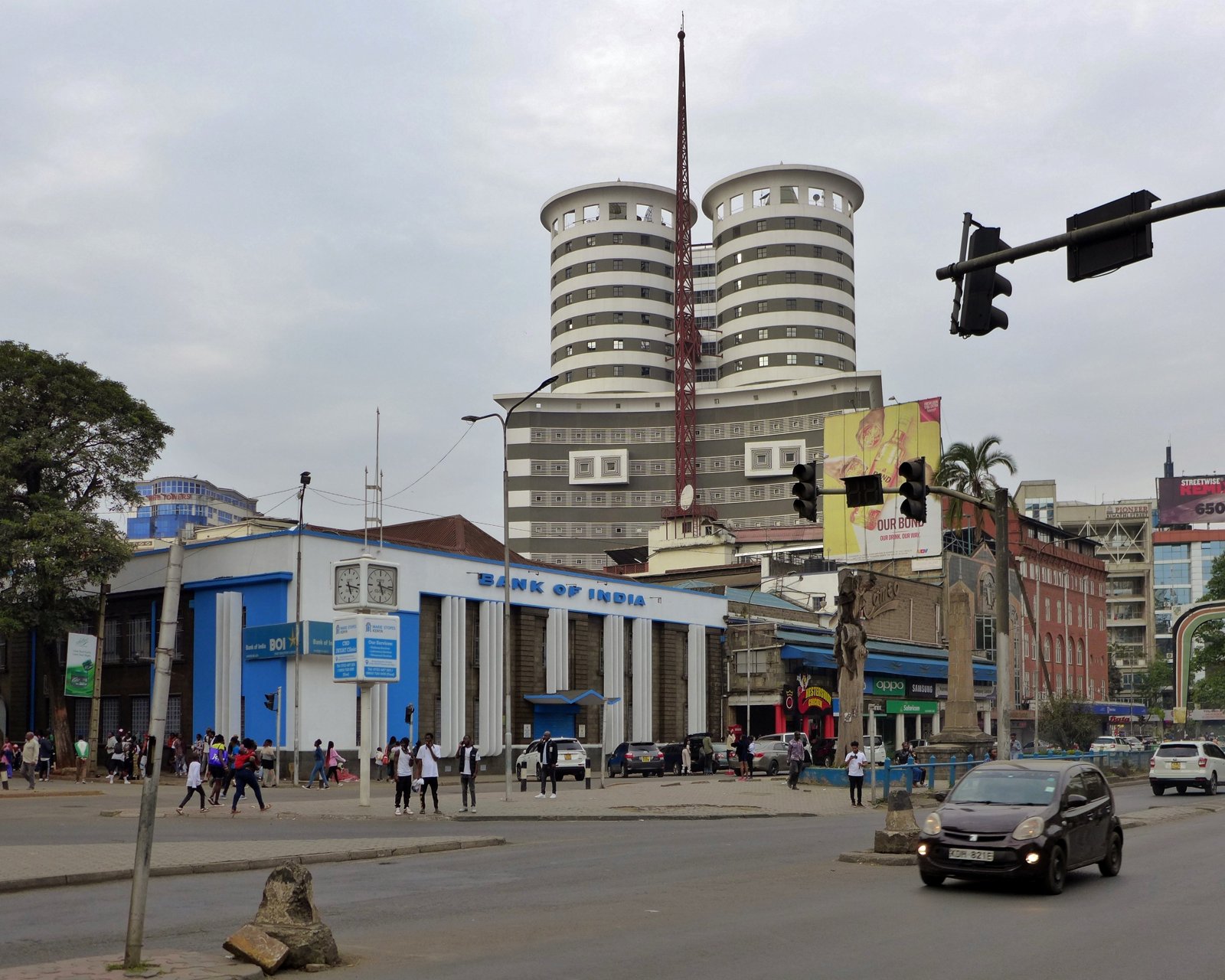
Kenyan banks are becoming more profitable and their bad loans are shrinking, Moody’s Ratings said on Wednesday 30 September. Kenya is East Africa’s financial hub, and its lenders operate across neighbouring countries.
The verdict from the US rating agency comes as South African banking groups compete for a bigger slice of the market. It also follows a central bank report showing seven Kenyan lenders short of required capital.
What Moody’s found
Moody’s said the 11 listed Kenyan banking groups earned an aggregate return on assets of 3.5% in the first half of 2026. That compares with 3.3% in 2025 and 3.1% in 2024.
Cheaper deposits and recovering loan growth explain much of the gain, the agency said. Equity Bank Kenya posted the strongest return and the biggest improvement, while Co-operative Bank stayed highly profitable.
Bad loans are easing too. The sector’s non-performing loan ratio fell below 15% after peaking at 17.6% in mid-2025, according to Moody’s.
The catch: government debt
Kenyan banks held government securities worth 1.7 times their equity at the end of December 2025, Moody’s said. Their capital, earnings and liquidity therefore depend heavily on the state’s finances.
For that reason Moody’s rates the standalone strength of the banks it covers at or below Kenya’s own B3 sovereign rating. B3 sits deep in “junk”, or speculative, territory.
Expansion abroad has not broken that link. Equity Group and KCB Group still hold more Kenyan government securities than their core capital, despite large operations elsewhere in East Africa.
Moody’s listed higher inflation tied to the Middle East conflict, weather shocks and Kenya’s next general election as risks. Profit growth will depend more on lending and fees, it said.
A gap between big and small lenders
The gains are concentrated. The ten most profitable banks generated nearly 90% of pre-tax profit in 2025 while holding just over 70% of deposits and assets, Moody’s said.
Small banks are moving the other way. Their non-performing loan ratio rose to 28.6% in 2025 from 26.7% a year earlier, according to Kenya Bankers Association data cited by Moody’s, far above the sector average.
The Central Bank of Kenya (CBK) made a similar point in its Bank Supervision Annual Report, published on 22 September. It said seven commercial banks failed to hold the minimum core capital of KSh3 billion (about US$23 million) in 2025.
Core capital is a bank’s own money, mainly shareholder funds and retained profits, that absorbs losses. The CBK did not name the seven banks.
Rising capital rules
A 2024 law raised the minimum from KSh1 billion (about US$7.7 million) to KSh10 billion (about US$77 million) in stages. Banks must hold KSh5 billion (about US$39 million) by December 2026.
The original schedule ends in 2029. The National Treasury has proposed extending the final deadline to December 2032, so the timetable could still change.
Moody’s expects the rising floor to strengthen smaller banks over time. Those that cannot raise money from shareholders face rights issues, mergers or a sale.
Conversions in this article use rates of 2 October 2026 from open.er-api.com: KSh129.6 and R16.67 (South African rand) to the US dollar.
South African banks move in
That pressure is opening doors for foreign buyers, above all from South Africa, whose home banking market is growing slowly. Nedbank agreed to buy 66% of NCBA Group for R13.9 billion (about US$834 million).
The CBK approved the NCBA deal, and holders of about 77.5% of NCBA shares accepted the offer. Nedbank said in September that a few remaining approvals were expected by the end of the third quarter.
Standard Bank, which owns Stanbic Bank Kenya, has R21 billion (about US$1.26 billion) available for acquisitions, partnerships, dividends and share buybacks. Chief executive Sim Tshabalala disclosed the sum with the group’s first-half results.
Tshabalala has said organic growth remains the preferred route in East Africa, but he has kept acquisitions open. FirstRand, another South African group, has said it would buy a Kenyan bank only at the right price.
Absa’s bid fell short
Not every move has worked. In June, Absa Group offered about KSh30.9 billion (about US$238 million) to raise its stake in Absa Bank Kenya from 68.5% to as much as 85%.
Moody’s called that plan credit-positive at the time. In August, however, the tender offer failed to reach its 85% goal, Kenya’s Business Daily reported, leaving the group well short of its target.
What to watch
The next test is December 2026, when every bank must hold KSh5 billion (about US$39 million) in core capital. Lenders that miss it may be barred from paying dividends or opening branches.
Investors will also watch for the NCBA deal to close, and for any sale of a smaller local bank to a foreign group.
For background, see South African Banks Race Into Kenya as FirstRand Waits.
Frequently Asked Questions
What did Moody’s say about Kenyan banks?
Moody’s said on 30 September 2026 that Kenyan banks are growing more profitable and that bad loans are falling. It warned that heavy holdings of government debt still cap their credit strength.
Why are South African banks buying into Kenya?
Kenya is East Africa’s financial hub and its banks earn high returns. Nedbank is taking 66% of NCBA, and Standard Bank has R21 billion (about US$1.26 billion) available for deals or payouts.
How do Kenya’s new capital rules affect smaller banks?
Banks needed KSh3 billion (about US$23 million) in core capital in 2025, rising to KSh10 billion (about US$77 million). Seven banks missed the 2025 level, which pushes small lenders towards mergers or new investors.
Sources
- kenya-today.com (Moody’s report)
- farmersreviewafrica.com (Moody’s report)
- businesstoday.co.ke (CBK supervision report)
- kahawatungu.com (CBK supervision report)
- techtrendske.co.ke (Standard Bank)
- businesstech.co.za (Nedbank and NCBA)
- reuters.com (Absa tender offer)
- theafricareport.com (Absa tender offer)
- Business Daily via msn.com (Absa offer fails)
- businessday.co.za (Moody’s on Absa, June)
This article was produced by The Rio Times’ automated newsroom system. How we use AI · Report an error
LatAm Markets: Live Signals → — real-time movers, turnover leaders and FX across Latin America.
Read More from The Rio Times