South African Banks Scramble for a Foothold in Kenya
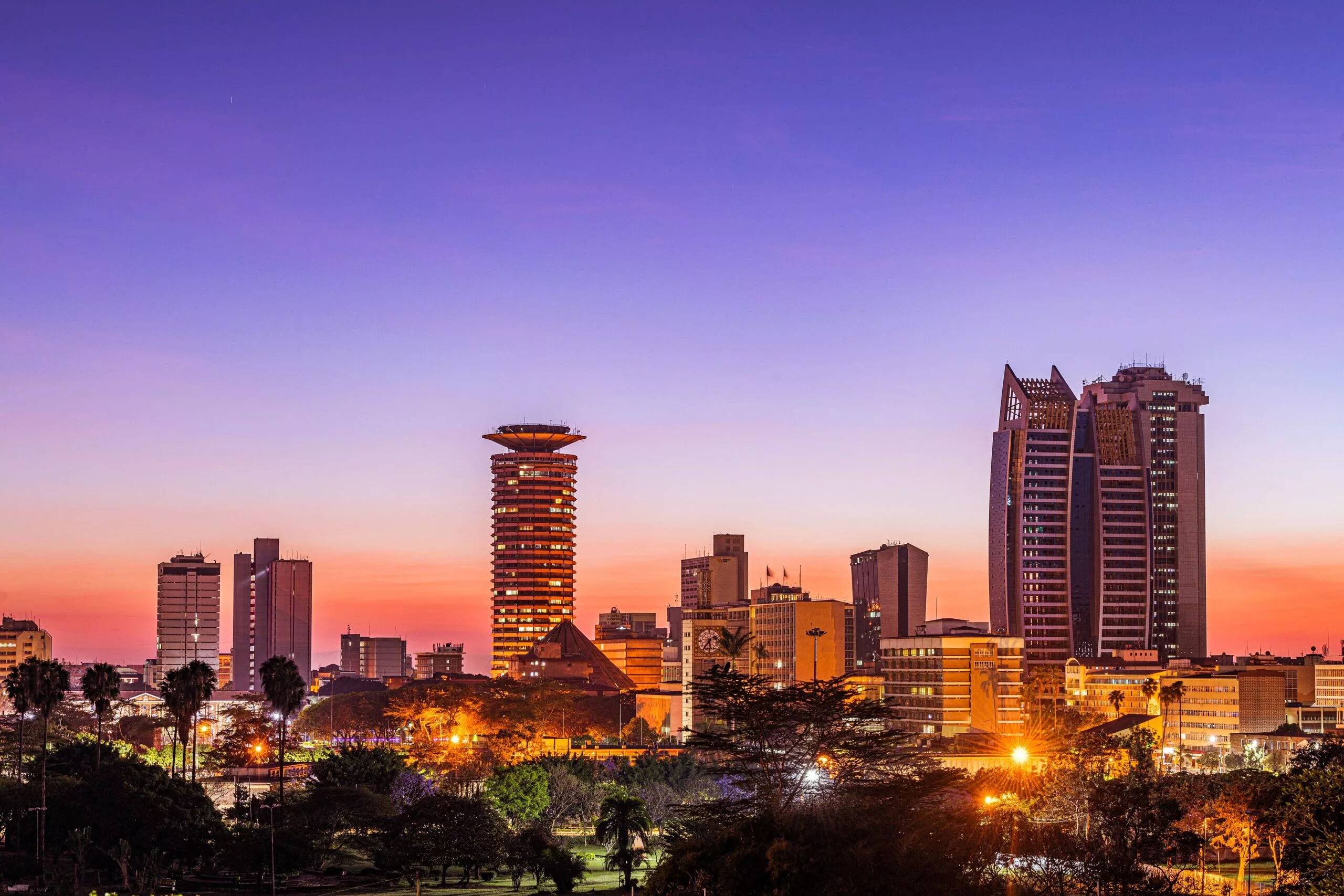
KENYA · MARKETS
Key Facts
The deal: Nedbank is bidding for a 66% stake in Kenya’s NCBA Group, valuing it at about 110 billion shillings, or roughly $855 million.
Family windfall: Kenya’s Kenyatta and Ndegwa families stand to collect around $170 million from selling their shares.
The terms: Shareholders receive 20% in cash and 80% in Nedbank shares listed in Johannesburg; the offer closes on July 10.
A ready footprint: NCBA already operates in Kenya, Uganda, Tanzania, Rwanda, Ivory Coast and Ghana.
Not alone: Rival Absa has also moved to tighten its grip on its own Kenyan bank.
The prize: Kenya has become the gateway for South African finance pushing north.
South African banks are scrambling for Kenya, and Nedbank’s roughly $855 million bid for control of NCBA Group is the boldest move yet. The deal would hand two of Kenya’s most powerful families a windfall and plant a major Johannesburg lender across East Africa.
What Nedbank is buying
Nedbank, one of South Africa’s largest lenders, has launched a tender offer for a 66% controlling stake in NCBA Group, one of Kenya’s biggest banks. The bid values NCBA at around 110 billion Kenyan shillings, or roughly $855 million, at about 1.4 times its book value.
The offer opened in early May and closes on July 10, with results expected in late July and settlement to follow. Participating shareholders receive a fifth of their payment in cash and the rest in Nedbank shares listed in Johannesburg.
If it succeeds, NCBA becomes a Nedbank subsidiary but keeps its brand, its local management and its listing on the Nairobi Securities Exchange.
A $170 million payday for Kenya’s dynasties
The deal would be a bonanza for two of Kenya’s most storied business families. The relatives of founding president Jomo Kenyatta and of former central bank governor Philip Ndegwa stand to share around $170 million.
Both families are anchor shareholders in NCBA, which was itself born from a merger of banks tied to their fortunes. They have signed binding commitments to sell into the Nedbank offer.
For Kenya’s commercial elite, the windfall is a reminder of how much wealth still sits with a handful of founding dynasties.
Why Nedbank wants it
Until now Nedbank has had only a representative office in East Africa, watching the region’s growth from the sidelines. NCBA hands it an instant, six-country footprint that would take years and far more money to build from scratch.
East African economies are expanding faster than South Africa’s stagnant home market. For a Johannesburg lender hunting for growth, Kenya is the obvious place to find it.
The acquisition is less about a single country than about a platform for the whole region.
The scramble for Kenya
Nedbank is not moving alone. Rival Absa has been spending heavily to tighten control of its own Kenyan subsidiary, and other South African financial firms are circling the market.
Analysts increasingly describe the trend as a scramble for Kenya, as Johannesburg’s banks, insurers and asset managers push north. The pattern is a quieter cousin of the great-power contest playing out across the continent.
What makes it striking is that the capital is African, flowing within Africa rather than in from outside.
Why Kenya is the prize
Kenya is East Africa’s financial hub, home to a deep stock market, a sophisticated banking sector and the mobile-money revolution that M-Pesa began. Nairobi serves as the regional headquarters for multinationals and lenders alike.
The economy is growing at around 5% a year, with a young population and fast-rising demand for credit and digital services. That combination is hard for a slow-growth investor to resist.
Owning a Kenyan bank is, in effect, a ticket into the wider East African market.
What it means for the region
A wave of cross-border deals is consolidating African banking into a smaller number of bigger players. Supporters say larger, better-capitalised banks can lend more and weather shocks better.
Critics worry about concentration and about key lenders falling under foreign, even if African, control. Regulators, including the East African Community’s competition authority, are watching closely.
Either way, the map of who owns East Africa’s money is being redrawn this year.
What to watch next
The immediate test is the tender’s outcome on July 10 and the results due weeks later. A strong take-up would confirm appetite for the deal and could embolden other suitors.
Beyond that, the question is whether Kenya’s regulators wave the transaction through and how rivals respond. A successful Nedbank takeover would likely trigger further moves across the region.
For investors, the scramble for Kenya is a signal that Africa’s own capital is increasingly setting the pace.
More: Kenya news in English, every day from The Rio Times.
Frequently Asked Questions
What is Nedbank buying in Kenya?
Nedbank is bidding for a 66% controlling stake in NCBA Group, valuing the Kenyan lender at about $855 million.
How much will the Kenyatta and Ndegwa families get?
The two families stand to collect roughly $170 million from selling their NCBA shares, in a mix of cash and Nedbank stock.
Why are South African banks moving into Kenya?
Kenya offers faster growth and a ready regional footprint, drawing Johannesburg lenders as their home market stagnates.
When does the Nedbank offer close?
The tender offer closes on July 10, 2026, with results expected on July 21 and settlement later in the year.
Connected Coverage
This deal is part of the wider contest for African finance we track in Africa: The New Scramble. For more on East African finance and integration, read about the push to scrap East African trade barriers and Kenya’s return to the IPO market.
This article was produced by The Rio Times’ automated newsroom system. How we use AI · Report an error · Editorial responsibility: Matthias Camenzind, Editor-in-Chief
LatAm Markets: Live Signals → — real-time movers, turnover leaders and FX across Latin America.
Great Powers in Africa
- Africa: The New Scramble
- DP World and AD Ports Drive Gulf States Africa Investment as Saudi Deals Follow
- China Slashes Africa Lending 46% as Kenya and Angola Race to Refinance Old Debts
- Foreign Powers and Investors in South Africa 2026