Ghana Mobile Money Hits US$44 Billion in August as Banks Chase Salons
Ghana · FINTECH
Key Facts
- —The country Ghana is a West African democracy of about 35 million people. Its economy, about US$114 billion in 2025 (World Bank), is slightly larger than Luxembourg’s.
- —Why it matters Much of Ghana’s trade happens outside banks. Phone wallets, known locally as MoMo, let traders, drivers and salons pay and get paid without a bank account.
- —Why now The Bank of Ghana, the central bank, published new payments data in late September. They show mobile money flows at their highest monthly value in at least a year.
- —What happened Mobile money transactions worth GH¢518.8 billion (about US$44.2 billion) went through in August 2026, up 46.5% from August 2025.
- —The numbers Ghana counted 85.8 million registered mobile money accounts, 26.4 million active ones and 1.046 billion transactions in August.
- —What it means for you Visitors should expect small traders to prefer phone payments over cards. Investors should watch banks and MTN, the largest mobile network, competing to turn wallet users into borrowers.
- —Still open Whether the payments boom becomes credit for small firms. Fees are contested: in May the central bank suspended a planned MTN charge on wallet-to-bank transfers.
Ghanaians moved about US$44 billion through phone wallets in August, central bank data show. Banks and MTN’s mobile money arm are now chasing the hair salons and market stalls behind that flow.
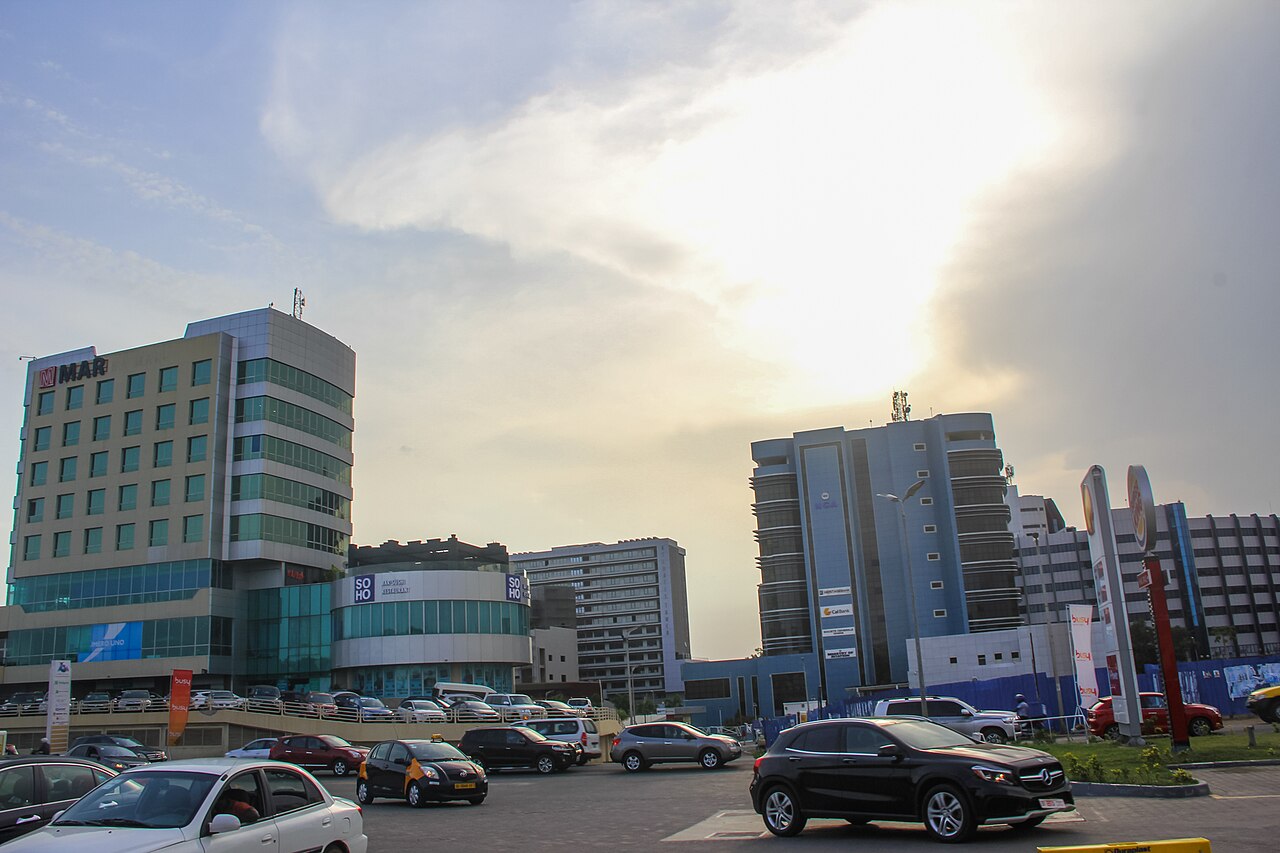
Ghana mobile money payments reached a value of GH¢518.8 billion (about US$44.2 billion) in August 2026. That is 46.5% more than a year earlier, according to the Bank of Ghana, the country’s central bank.
Ghana, a West African country of about 35 million people, runs much of its daily trade through phones. Mobile money, or MoMo, lets users store cash in a phone wallet and send it by text menu or app.
What the central bank data show
The figures come from the Bank of Ghana’s Summary of Economic and Financial Data for September 2026. August’s value beat July’s GH¢509.4 billion (about US$43.4 billion) and every other month in the published year.
A year earlier, in August 2025, the value stood at GH¢354.1 billion (about US$30.2 billion). Conversions here use 11.73 cedis per US dollar (open.er-api.com, 2 October 2026).
The number of transactions also crossed one billion for the first time in the table. It rose to 1.046 billion in August, from 969 million in July.
Ghana had 85.8 million registered mobile money accounts in August. That is far more than its population, because many people hold several wallets on different networks.
A fairer measure is active accounts, those used at least once in the previous 90 days. They stood at 26.4 million, almost unchanged since June.
A network of agents, not bank branches
Agents are the shops and kiosks where users turn cash into digital money and back. Active agents, those that transacted in the previous 30 days, rose to 594,000 in August from 550,000 in July.
Registered agents fell slightly over the same month, to 983,000 from 1.017 million. The central bank data do not explain the drop.
For a visitor, the practical effect is simple. Street vendors, taxi drivers and small shops often prefer a MoMo transfer to a card. Many have no card terminal at all.
Why lenders are chasing hairdressers
The data explain why financial firms are now courting very small businesses. Mobile Money Fintech Ltd, MTN Ghana’s mobile money subsidiary, has just finished a training series with Universal Merchant Bank (UMB), a Ghanaian lender.
The final workshop, at the University of Ghana in Accra, was for the Ghana Hairdressers and Beauticians Association, MyJoyOnline reported. Earlier sessions took place in Kumasi and Takoradi.
Charles Osei Owusu, a senior business development manager at the firm, said the series began with tailors and dressmakers, then market women. The company led customer service training, while UMB taught financial literacy.
Owusu said the firm had collected participants’ details and would keep supporting them. He said similar forums had also been held with groups in northern Ghana.
A solar loan pitched at salons
Edem Knight-Tay, UMB’s head of corporate communication, used the event to promote a solar loan for beauty businesses. Ghana’s salons rely on dryers and lighting, and many run generators when the grid fails.
According to the bank, eligible applicants receive financing within 48 hours, and a technical partner installs the system. UMB said the panels can cut electricity bills by up to about 90%, a figure that could not be independently confirmed.
Energy loans give banks something tangible to lend against. They can also help a small business build a repayment record where none existed before.
Banks and wallets are converging
UMB is also working with fintech firms. In September, payments company Chipper Cash launched bank-backed virtual accounts in Ghana with UMB, MyJoyOnline reported.
The relationship between wallets and banks is not always smooth. In May, MTN announced a 0.75% fee on transfers from MoMo wallets to bank accounts, capped at GH¢5 (about US$0.43).
The Bank of Ghana suspended the planned fee the next day, Graphic Online reported. Commentary in Ghanaian media in late September shows the dispute over wallet charges has not gone away.
What to watch
The key question is whether Ghana mobile money volumes turn into credit, savings and insurance for small firms. Payments alone do not show whether businesses are growing.
The next central bank data release will show whether September kept the pace. Investors will also watch whether trained salons and tailors actually open accounts and take loans, rather than only attend workshops.
The Africa: The New Scramble pillar tracks similar shifts in payments and finance across the continent.
Frequently Asked Questions
How big is Ghana mobile money?
Transactions worth GH¢518.8 billion (about US$44.2 billion) went through in August 2026, according to the Bank of Ghana. That was 46.5% more than in August 2025.
How many people in Ghana use mobile money?
Ghana had 85.8 million registered accounts and 26.4 million active ones in August 2026. Many people hold more than one wallet, so accounts exceed the population of about 35 million.
Why are banks training hairdressers in Ghana?
Salons are cash-heavy small businesses that banks want as customers. MTN’s mobile money subsidiary and Universal Merchant Bank ran workshops for hairdressers, tailors and market women in Accra, Kumasi and Takoradi.
Connected Coverage
Sources
- Bank of Ghana: Summary of Economic and Financial Data, September 2026
- Citi Newsroom: Mobile money transaction value hits GH¢518bn in August 2026
- MyJoyOnline: Mobile Money Fintech Ltd, UMB train hairdressers and beauticians
- World Bank: Ghana country data
This article was produced by The Rio Times’ automated newsroom system. How we use AI · Report an error
LatAm Markets: Live Signals → — real-time movers, turnover leaders and FX across Latin America.
Read More from The Rio Times