Mexico’s 50 Doctors Pitches US$200 Million El Salvador Hospital Plan to Bukele
El Salvador · Health
Key Facts
- —The pitch Around August 14-15, 2026, President Nayib Bukele received leaders of the Mexican hospital chain 50 Doctors to hear their plan for El Salvador.
- —The money The group announced an investment of more than US$200 million, a figure so far reported by Mexican press rather than confirmed by the government.
- —The build The plan covers five hospital centers plus a senior-living complex called Alviva, focused on high-specialty maternal-child care and elderly care.
- —The company 50 Doctors is a fast-growing private chain based in Puebla, led by founder and chairman Javier de Lope Frances.
- —The first step abroad The group says El Salvador would be its first expansion outside Mexico, making it the first Mexican hospital chain to go international.
The pitch would make 50 Doctors the first Mexican hospital chain to build abroad, carrying its unusual doctor-as-owner model across the border.
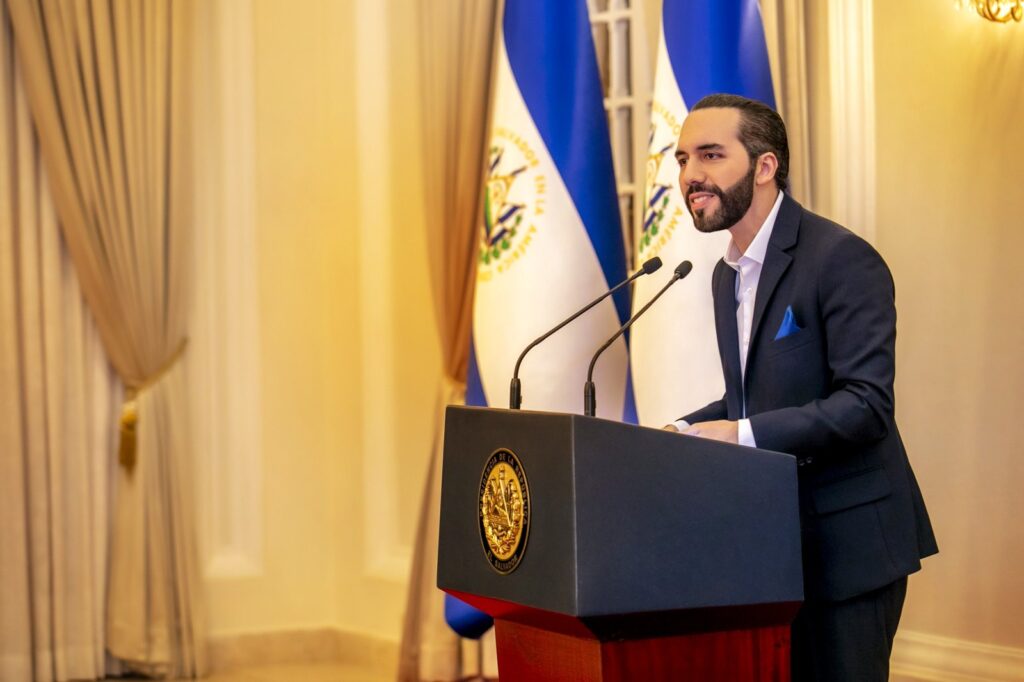
A US$200 million El Salvador hospital plan landed on President Nayib Bukele’s desk this week. The Mexican private chain 50 Doctors presented the project directly to the president, calling it their first move outside Mexico.
If it goes ahead, it would plant five new hospitals and a senior-living complex in the small Central American nation.
A Mexican chain knocks on El Salvador’s door
The group behind the plan is called 50 Doctors, a private hospital company from Mexico. Its leaders traveled to San Salvador to meet the president in person.
According to the presidency’s press office, the meeting fit Bukele’s push to attract foreign money. In turn, the company thanked him for his openness and for hearing their vision.
Who 50 Doctors really is
Despite the name, 50 Doctors is not a group of expat or diaspora physicians. Instead, it is a fast-growing private hospital chain based in Puebla, Mexico.
The company is led by its founder and chairman, Javier de Lope Frances. Over recent years it has opened hospitals and medical towers across many Mexican states.
The doctor-as-owner model
What sets the chain apart is how it is built. Because each hospital is designed so that the specialist doctors working there are also partners and investors.
The physicians own a piece of the business. The company pairs this with a private membership product it calls a health passport.
As a result, patients pay into a parallel system that sits alongside public care.
What the El Salvador hospital plan includes
The proposal is ambitious for a country of about six million people. It calls for five hospital centers, along with a senior-living residential complex branded Alviva.
The medical focus, according to Mexican reporting, leans on high-specialty maternal and child hospitals. In addition, the Alviva complex would offer full-time care for older adults.
The meeting with Bukele
The delegation was led by chairman Javier de Lope Frances himself. He was joined by local director Juan Munoz and expansion director Christian Rotzinger.
Bukele’s government framed the sit-down as part of new terms for luring investment. Meanwhile, the company described the moment as an alliance between Mexico and El Salvador to build the future of health.
A first step outside Mexico
For 50 Doctors, El Salvador is not just another site. The company says it would be its very first expansion beyond Mexico’s borders.
That claim is striking, because it would make the firm the first Mexican hospital chain to operate abroad. Earlier company materials had listed El Salvador only as a future target, so this marks a real step forward.
How much money is really on the table
The headline number is large: more than US$200 million across the five hospitals and the senior complex. Still, a note of caution belongs here.
So far that figure comes from detailed Mexican press coverage rather than an official Salvadoran filing. Because no permit or budget document has confirmed it, the amount should be read as an announced target, not a signed contract.
El Salvador’s wider health push
The pitch lands as Bukele leans hard into health and technology. Since late 2025, his government has run a digital health platform called DoctorSV, built with Google and the CAF development bank.
By April 2026, that system had passed 1.1 million users. Meanwhile, the 2026 health budget request reached about US$1.325 billion.
And the head of the Pan American Health Organization visited the country in July.
What is still unknown
Some big pieces of the plan remain open. Neither side has named the cities or departments that would host the hospitals, and no start date has been shared.
The number of beds and the jobs the project might create are also unclear for now. Until the government publishes specifics, the plan stays a high-profile proposal rather than a broken-ground reality.
Why this El Salvador hospital deal matters
For patients, private high-specialty care could ease pressure on crowded public wards. Yet it also raises the old question of who can afford a two-track system.
For Bukele, a foreign hospital chain is a useful sign that his investment drive is landing. For 50 Doctors, a win here would turn a Mexican brand into a regional one almost overnight.
Background: our living in mexico city expat guide guide.
More: Latin America news in English, every day from The Rio Times.
Frequently Asked Questions
Who or what is 50 Doctors?
50 Doctors is a private hospital chain based in Puebla, Mexico, not a group of diaspora physicians. It uses a model in which the specialist doctors at each hospital are also partners and investors.
How big is the El Salvador hospital investment?
The company announced an investment of more than US$200 million for five hospital centers and a senior-living complex. That figure comes from Mexican press reports and has not yet been confirmed by an official Salvadoran document.
What would the project actually build?
The plan covers five hospital centers plus a senior-living complex called Alviva. The medical focus leans on high-specialty maternal and child hospitals and full-time care for older adults.
Is this 50 Doctors’ first project outside Mexico?
Yes. The company says El Salvador would be its first expansion beyond Mexico.
Connected Coverage
Sources: Infobae El Salvador; Quadratin Puebla; Reuters; U.S. State Department Investment Climate Statement; Pan American Health Organization.
This article was produced by The Rio Times’ automated newsroom system. How we use AI · Report an error
Read More from The Rio Times