Mexico Returns Energy to State Control—What It Means for Investors and the United States
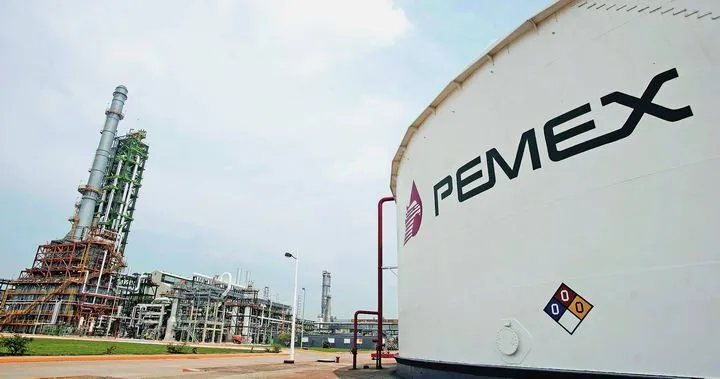
Mexico has redrawn the map of its energy industry. A constitutional decree in October 2024 reclassified the power utility CFE and the oil company Pemex as public state companies.
On March 18, 2025, a package of follow-on laws turned that vision into rules: at least 54 percent of the electricity dispatched to the grid each year must come from CFE-controlled assets, leaving up to 46 percent for private producers; Pemex now has first call on new oil and gas blocks, with private firms allowed in only through mixed projects where Pemex keeps at least 40 percent.
The Energy Ministry will publish binding annual plans to direct where capacity is built and who connects to the grid. Fuel-import permits have tightened since 2024, signaling a preference to protect state supply chains.
The story behind the story is a bet on sovereignty and coordination. Leaders argue that the 2013 liberalization diluted national capacity and did not deliver affordable, reliable energy.
The new model centralizes planning and finance in two state champions, with private capital present but subordinate.
Mexico’s Supreme Court had reaffirmed merit-order dispatch under earlier rules in 2024, but the constitutional and statutory overhaul since then has reset the legal terrain in favor of CFE and Pemex.
Why Mexico’s Energy Choices Matter to the U.S.
For the United States, the stakes are practical and political. Thousands of American firms manufacture in Mexico or sell into its market.
Power-hungry nearshoring—factories, logistics hubs, data centers—will depend on whether CFE can add generation and transmission fast enough and on what terms private partners are admitted.
In oil and fuels, Pemex’s priority and tighter import controls affect U.S. refiners, midstream operators, and traders that have long supplied gasoline and diesel across the border.
The first formal review of the US-Mexico-Canada Agreement arrives in July 2026; if market access narrows or projects stall, energy could move to the center of that conversation.
What to watch now: the Energy Ministry’s first binding power plan; the fine print of Pemex’s mixed-contract terms (who operates, how costs are shared, and how profits are split); enforcement patterns in fuel-import permits; and whether Mexico balances state direction with enough private execution to meet rising demand without price spikes or shortages.
More: Latin America news in English, every day from The Rio Times.
This article was produced by The Rio Times’ automated newsroom system. How we use AI · Report an error · Editorial responsibility: Matthias Camenzind, Editor-in-Chief
In depth