
MALI · ECONOMY
Key Facts
- —The country Mali is a landlocked Sahel country in West Africa, ruled by a military government since coups in 2020 and 2021.
- —What happened On Monday 12 October, the Malian newspaper Le Challenger reported that the 2027 draft budget cuts the Rural Support Programme by about 41.4%.
- —The numbers The programme falls from 64.40 billion CFA francs (about US$110 million) in 2026 to 37.73 billion CFA francs (about US$64 million) in 2027.
- —Where money goes Rural land development and equipment rises about 24.7% to 69.87 billion CFA francs (about US$119 million), now the agriculture ministry’s largest line.
- —The whole budget The government adopted the draft on Friday 18 September, with spending of 4,462.6 billion CFA francs (about US$7.6 billion), up 11.75% on 2026.
- —Why it matters to Americans Washington rates Mali at Level 4, Do Not Travel, and the budget shows how a military government backed by Russian partners sets its priorities.
- —Still open The National Transitional Council, Mali’s appointed parliament, must still examine and vote on the draft before the budget year starts.
Mali’s draft budget for 2027 cuts the agriculture ministry’s rural support programme by about 41%, Malian newspaper Le Challenger reported on Monday 12 October. The programme falls from 64.40 billion CFA francs (about US$110 million) to 37.73 billion CFA francs (about US$64 million).
For foreign readers, the figures show where a military government that relies on Russian partners puts its money while its army fights armed groups. The US State Department rates Mali at Level 4, Do Not Travel, citing terrorism, kidnapping, crime and unrest.
What the 2027 Draft Cuts and What It Adds
Total payment credits for the agriculture ministry fall to about 127.92 billion CFA francs (about US$218 million) in 2027. That is about 6.3% below the 136.58 billion CFA francs (about US$233 million) budgeted for 2026, according to Le Challenger.
The deepest cut hits the rural support programme, which loses about 26.67 billion CFA francs (about US$46 million). Within it, transfers and subsidies shrink from 54.54 billion CFA francs (about US$93 million) to 24.29 billion CFA francs (about US$41 million).
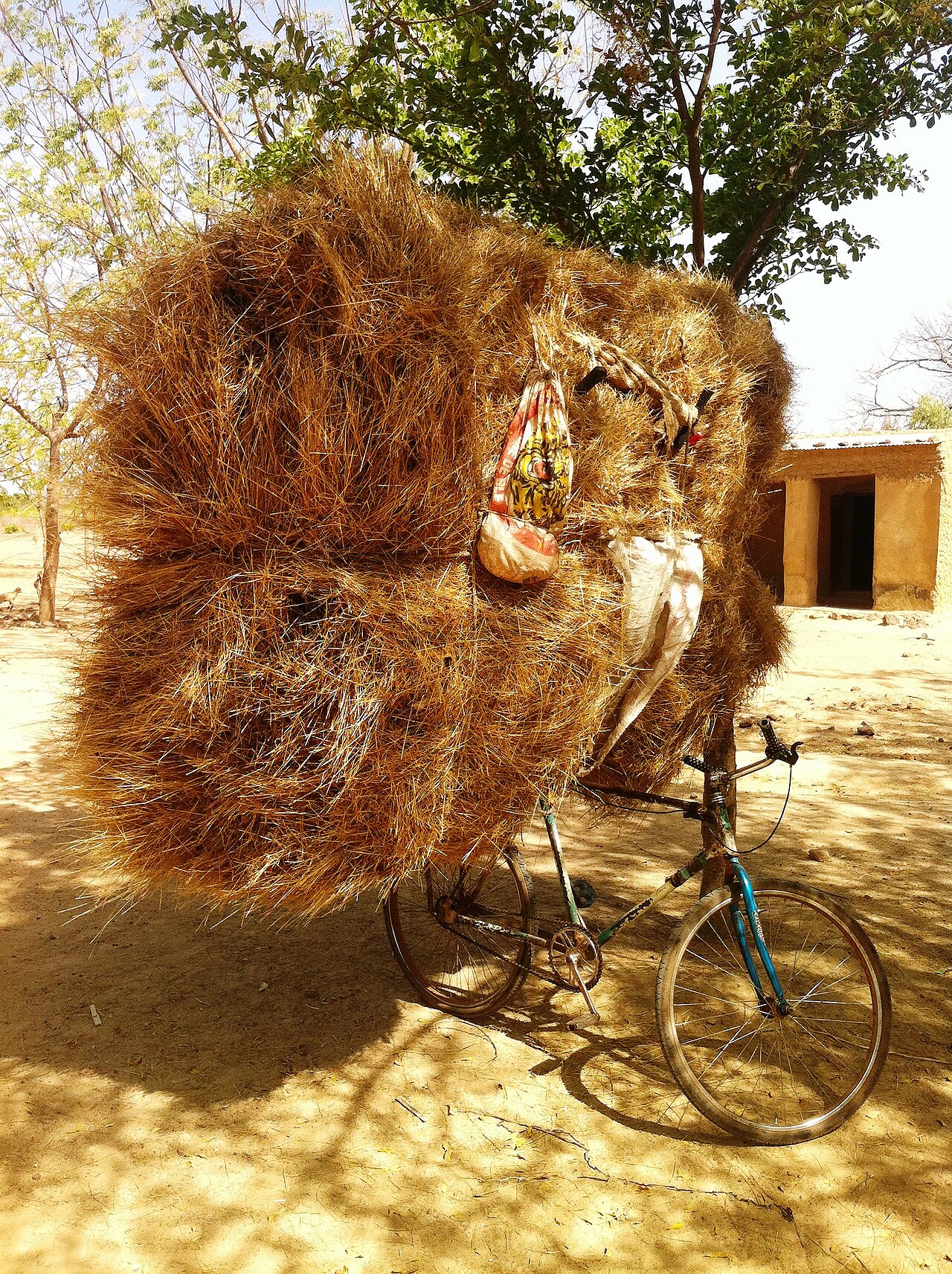
Spending moves instead to rural land development and equipment, which rises about 24.7% to 69.87 billion CFA francs (about US$119 million). That programme is now the largest line in the agriculture ministry’s budget, ahead of rural support.
General administration grows about 30.2% to 15.42 billion CFA francs (about US$26 million). Research and training edges up from 4.29 billion CFA francs (about US$7 million) to 5.28 billion CFA francs (about US$9 million).
Why the Cut to Farm Transfers Draws Questions
In public budgets, transfers and subsidies are money the state passes on to others, rather than spending on its own projects and staff. In the 2027 draft, that line in the rural support programme falls by more than half.
Le Challenger wrote that this shift “raises questions about the nature of the spending concerned.” The paper also cautioned that it would be premature to conclude that aid to producers will automatically fall.
The rise in land development and equipment, about 13.83 billion CFA francs (about US$24 million), offsets about half of the fall in rural support. The ministry’s total still shrinks by about 8.66 billion CFA francs (about US$15 million).
A Bigger Budget Under Military Rule
Mali’s Council of Ministers adopted the 2027 draft finance law on Friday 18 September, the Beninese news site La Nouvelle Tribune reported. It plans spending of 4,462.6 billion CFA francs (about US$7.6 billion), up 11.75% on the revised 2026 budget.
Revenue is forecast at 3,866.6 billion CFA francs (about US$6.6 billion), up 14.64% on 2026. That leaves a deficit of about 596 billion CFA francs (about US$1.0 billion), slightly smaller than this year’s.
The CFA franc is the currency Mali shares with seven other West African countries, and it is pegged to the euro. Amounts here are converted at about 585.5 CFA francs to the US dollar on 12 October 2026.
Mali is led by its transitional president, General Assimi Goïta, who took power in coups in 2020 and 2021. His government works with Russian military partners and formed the Alliance of Sahel States with Burkina Faso and Niger.
Local Authorities Receive 15.84% of State Resources
The farm figures follow an announcement on Thursday 8 October by General Issa Ousmane Coulibaly, minister of territorial administration and decentralisation, and government spokesperson. He said the state had allocated about 433 billion CFA francs (about US$740 million) to local authorities in 2026, Maliweb reported.
The minister said the sum equals 15.84% of state budget resources, and Maliweb cited budget ministry data for earlier years. Decentralised credits stood at 459.9 billion CFA francs (about US$785 million) in 2021 and 440.09 billion CFA francs (about US$752 million) in 2024.
Coulibaly spoke at a three-day meeting in Bamako on decrees that transfer state powers to local authorities. He said field audits would check how the funds are used.
What It Means for US Readers
The US State Department tells Americans not to travel to Mali, its highest Level 4 warning, in an advisory last updated on 2 July 2026. It bars US government employees in Mali from travelling outside the capital, Bamako, and warns of a high threat of kidnapping.
For investors, aid groups and businesses watching the Sahel, the budget is a public guide to the military government’s choices. It shows farm money moving away from transfers to the rural world and toward equipment and administration.
The government says the army, backed by Russian partners, consolidated its presence in the northern town of Kidal on 6 October. That war has shaped Mali’s politics, gold industry and public spending since the military took power.
What Is Not Known
Le Challenger’s report covers only the agriculture ministry, not defence, security or the other large spending lines in the 2027 draft. The budget document does not list the equipment projects, where they will be built or how many farmers they will reach, the paper noted.
The National Transitional Council (CNT), the appointed assembly that acts as Mali’s parliament under military rule, is now examining the draft. Until it votes, the figures remain proposals, and Mali’s budget year begins on 1 January.
More: Mali news in English, every day from The Rio Times.
Frequently Asked Questions
What does Mali’s 2027 draft budget cut?
It cuts the agriculture ministry’s Rural Support Programme by about 41%, to 37.73 billion CFA francs (about US$64 million). The ministry’s total budget falls about 6.3%, according to Le Challenger.
How big is Mali’s 2027 budget?
The Mali draft budget adopted on Friday 18 September plans spending of 4,462.6 billion CFA francs (about US$7.6 billion). Revenue is forecast at 3,866.6 billion CFA francs (about US$6.6 billion).
Who governs Mali?
General Assimi Goïta, the transitional president, leads a military government that took power in coups in 2020 and 2021. Mali formed the Alliance of Sahel States with Burkina Faso and Niger.
Can Americans travel to Mali?
The US State Department advises Americans not to travel to Mali, its highest Level 4 warning. It cites terrorism, kidnapping, crime and unrest.
Is the Mali draft budget final?
No. The National Transitional Council, Mali’s appointed parliament, must still examine and vote on the draft before the budget year starts.
Sources: Le Challenger via Maliweb, 12 October 2026; Maliweb, 12 October 2026; La Nouvelle Tribune, 19 September 2026; L’Aube via Maliweb, 12 October 2026; US Department of State, Mali Travel Advisory, 2 July 2026.
This article was produced by The Rio Times’ automated newsroom system. How we use AI · Report an error · Editorial responsibility: Matthias Camenzind, Editor-in-Chief