Malawi Inflation Falls to 20.01% in August, a Seventh Straight Drop
Key Facts
- What happened. The National Statistical Office reported August 2026 inflation at 20.01%, down 0.8 percentage points from July — the seventh monthly fall in a row.
- How big. The rate has dropped from 28.2% in August 2025 to 20.01% in August 2026. The kwacha has held near 1,734 to the US dollar, slightly stronger than the 1,750 level of a year ago.
- The catch. Disinflation is driven mainly by food prices after a better maize harvest, and analysts call it fragile. Twenty percent inflation still erodes household budgets every month.
- Who it hits. Malawian households, whose food costs dominate spending, and businesses and expats whose planning depends on the kwacha and on interest rates.
- What comes next. Watch the lean season before the next harvest and the unfinished talks with the International Monetary Fund, which has not signed a new programme with Lilongwe.
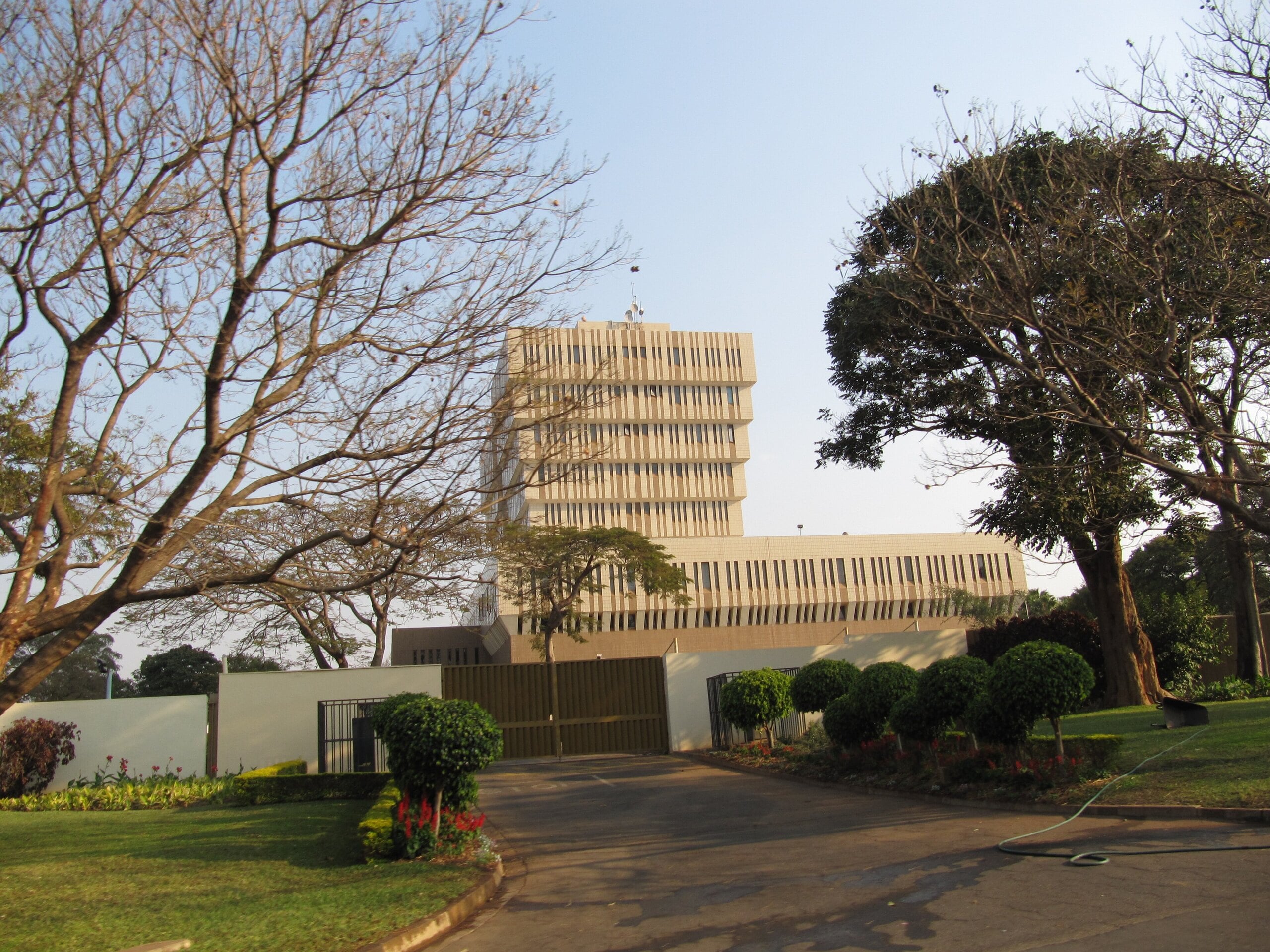
Malawi’s inflation rate has fallen every month since February and now stands at 20.01%. One year into President Mutharika’s term, prices are still rising fast — but measurably less fast.
Malawi’s headline inflation rate fell to 20.01% in August 2026, down from 20.83% in July, according to the National Statistical Office. It is the seventh consecutive monthly decline. A year ago, in August 2025, the rate stood at 28.2%.
A slow disinflation, led by food
The decline is real but narrow in its base. Most of the improvement comes from food prices, which make up more than half of Malawi’s inflation basket. A better maize supply has brought food inflation down from the extreme levels of the past two years. Reporting in Lilongwe describes the trend as food-led and fragile: one poor harvest or one fuel shock could reverse it.
Non-food prices, and the cost of fuel, transport and imported goods, remain high. Inflation of 20.01% means the average basket still costs a fifth more than it did a year ago. Disinflation — a slower rise — is not deflation. Nothing has become cheaper; prices are climbing less quickly.
One year of Mutharika
The August figures land almost exactly one year after President Peter Mutharika returned to office in September 2025. He inherited an economy with 28.2% inflation and a policy interest rate of 26%. The Bankers Association of Malawi this week credited his government with the fall in inflation and with a lower interest rate. The kwacha has been stable near 1,734 to the US dollar for months.
Stability of the exchange rate is the government’s clearest achievement so far. It helps importers, keeps fuel and fertilizer costs predictable, and supports remittances from the Malawian diaspora, which are usually sent in US dollars. But it comes with strict foreign-exchange management, and US dollars remain scarce in the formal banking system.
The IMF question in the background
The government has said it will not devalue the kwacha, and the International Monetary Fund has not signed a new support programme. Without one, Malawi finances its gap from domestic borrowing and grants, which keeps pressure on interest rates and on the budget. The disinflation trend strengthens Lilongwe’s hand in those talks; it does not settle them.
What this means for expats and investors
For foreigners living in Malawi, the practical picture is a stable exchange rate and slowly cooling prices — but US dollars in the formal system remain rationed, and card or transfer limits can apply. For investors, the signal is a government that has chosen exchange-rate stability over rapid adjustment, a choice that works until reserves run short. The direction is improving; the level is still hard.
What Is Not Known
It is not known whether the decline will hold through the lean season, when food stocks run low before the next harvest. The path of the policy interest rate has not been committed to publicly. The timeline and conditions of any IMF agreement remain open, and the true gap between official and parallel exchange rates is not published.
Frequently Asked Questions
What is the current inflation rate in Malawi?
Malawi’s headline inflation was 20.01% in August 2026, according to the National Statistical Office — the seventh monthly decline in a row, down from 20.83% in July and 28.2% a year earlier.
Why is inflation falling in Malawi?
Mainly because of food. A better maize supply has slowed food price growth, and food dominates the inflation basket. Analysts in Malawi describe the trend as real but fragile.
Is the Malawian kwacha stable?
The official rate has held near 1,734 kwacha to the US dollar for months, slightly stronger than a year ago. The stability rests on tight foreign-exchange management, and US dollars remain scarce in formal channels.
Connected Coverage
Sources
Nyasa Times — Malawi inflation eases to seven-month low · Malawi Broadcasting Corporation — One year of Mutharika
This article was produced by The Rio Times’ automated newsroom system. How we use AI · Report an error
LatAm Markets: Live Signals → — real-time movers, turnover leaders and FX across Latin America.
Read More from The Rio Times