Behind Lima’s Averted Strike: a Transport Extortion Crisis
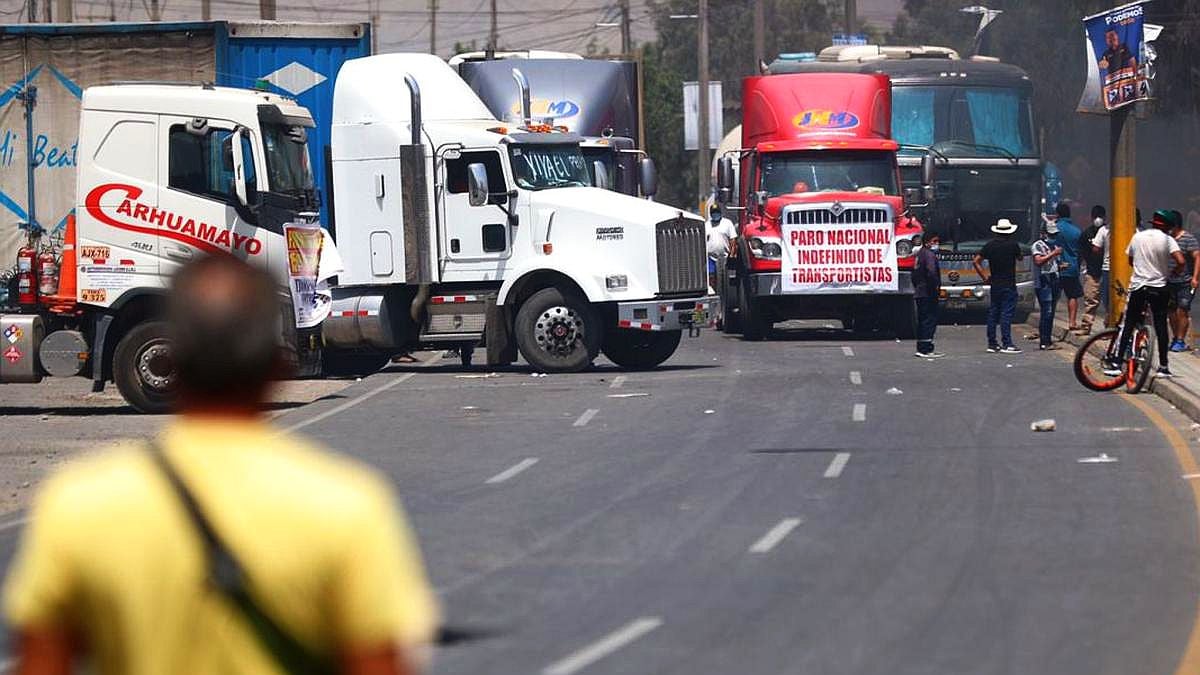
Lima dodged a major disruption this week, but the reason behind it is the real story. The threatened strike was about Lima transport extortion — organised gangs squeezing protection money from bus and combi drivers — and a fuel subsidy has only papered over a deeper safety problem.
For residents and visitors, the immediate news is good: the city is moving normally. The longer-term picture is more sobering.
Key Facts
- The strike was called off. A nationwide transport stoppage set for June 2 was suspended after a last-minute deal with the government.
- The fix was a fuel subsidy. An emergency decree grants operators up to about US$0.13 per kilometre (S/0.50), running through December 31.
- Transport is running. Buses and intercity routes in Lima and Callao are operating normally.
- The real driver is extortion. The protest grew out of a wave of gangs demanding protection payments from drivers, with deadly attacks on those who refuse.
- It may not be over. Operators have warned they could strike again if the relief is not honoured.
The strike that almost happened
Transport operators had called an open-ended national stoppage for June 2, threatening to paralyse Lima and Callao and several regions. It was suspended at the eleventh hour after the government issued an emergency decree granting a per-kilometre fuel subsidy — up to roughly US$0.13 (S/0.50) per kilometre — valid through the end of the year.
The result is that buses, combis and intercity coaches are running normally, and travellers face no disruption for now.
What’s really behind Lima’s transport extortion
The fuel subsidy addresses cost, but the protest’s deeper cause is extortion. Across Lima, criminal gangs have been demanding “cupos” — protection payments — from transport operators, and drivers who refuse have been threatened, attacked and in some cases killed.
That violence, more than fuel prices, is what brought operators to the brink of a shutdown, and it is why many feel a subsidy alone does not solve the problem. Operators have openly warned they could strike again if conditions do not improve.
What it means for residents and visitors
Day to day, Lima is functioning normally, and the averted strike removes an immediate headache for anyone living in or visiting the city. But the episode is a useful window into a security backdrop that expats should understand: extortion of small businesses and transport operators has become a significant problem, and public anxiety about crime is high even where everyday tourist areas remain calm.
The practical advice is the same as for any large city under strain: stay aware of local news for any renewed strike calls, use reputable transport, and keep an eye on official advisories. Neighbourhoods like Miraflores and San Isidro remain the usual comfortable bases, but it pays to follow the bigger security conversation rather than assume the subsidy has settled things.
Frequently Asked Questions
Is the Lima transport strike happening?
No. The nationwide stoppage planned for June 2 was called off after the government agreed an emergency fuel subsidy for operators. Buses and intercity routes in Lima and Callao are running normally.
What was the strike actually about?
While fuel costs were the headline, the deeper cause is extortion: criminal gangs have been demanding protection payments from transport operators, and drivers who refuse have faced threats and deadly violence. That security crisis is what pushed operators toward a shutdown.
Could it happen again?
Possibly. Operators have warned they may strike again if the relief is not honoured or if the underlying extortion problem continues, so it is worth following local news if you are planning travel.
Is Lima safe to visit right now?
Everyday tourist areas such as Miraflores and San Isidro remain the usual comfortable bases, and the city is operating normally. But crime and extortion are a real concern in the wider city, so stay aware of local advisories and use reputable transport.
This article was produced by The Rio Times’ automated newsroom system. How we use AI · Report an error · Editorial responsibility: Matthias Camenzind, Editor-in-Chief
The Lima Guide
What The Rio Times publishes for foreigners in Lima, Peru.
This month
Coming up in Lima
- Grupo Frontera Lima 2026: Texan Band Plays Costa 21, Peru, on 17 October 17 Oct
- Iron Maiden in Lima, Peru: 50th-Anniversary Metal Night at the Estadio Nacional on October 17, 2026 17 Oct
- Ivy Queen Brings Pride Tour to Lima's Círculo Militar on 24 October 24 Oct
- Señor de los Milagros Lima: Peru's Purple Month Closes the Old Centre on 18, 19 and 28 October 2026 28 Oct
Living in Lima
- Lima Rent for Foreigners in 2026 Averages US$979 a Month
- Cost of Living in Peru 2026, Monthly Budgets Lima to Cusco
- Cost of Living Arequipa Peru 2026: Less Than Half of Lima
- Investing in Peru as a Foreigner — What the Lima Market, the Mines and the Tax Rules Allow
Understand Peru