Kenya’s Exports to the UAE More Than Double After Iran War Slump
Kenya · MARKETS
Key Facts
- —The country Kenya, home to East Africa’s busiest port at Mombasa, has about 57 million people. Its US$136 billion economy (World Bank, 2025) is under 4 percent the size of Britain’s.
- —Why it matters The United Arab Emirates (UAE), home to Dubai, became one of Kenya’s fastest-growing markets. It buys Kenyan meat, tea, fruit and flowers, and re-exports some across the Middle East and Asia.
- —Why now A US-Israeli war with Iran from 28 February disrupted Gulf shipping. Kenya’s monthly sales to the UAE fell in April to their lowest level since July 2023.
- —What happened Official July figures, reported on 26 September, put exports to the UAE at about US$68 million. That is more than double June’s roughly US$31 million, says the Kenya National Bureau of Statistics (KNBS).
- —The numbers The UAE took about 6.8 percent of Kenya’s July exports. Only neighbouring Uganda (about US$97 million) and the United States (about US$96 million) bought more.
- —What it means for you Gulf buyers of Kenyan tea, meat, avocados and flowers should expect uneven supply. Shipping conditions on Gulf and Red Sea routes set exporters’ costs and delivery times.
- —Still open Whether August data confirm the recovery. Also whether US duty-free access for Kenyan goods is renewed before it lapses in December.
Kenya’s exports to the UAE more than doubled in July 2026, official data show. The rebound follows a spring slump linked to the war with Iran, which disrupted Gulf shipping.
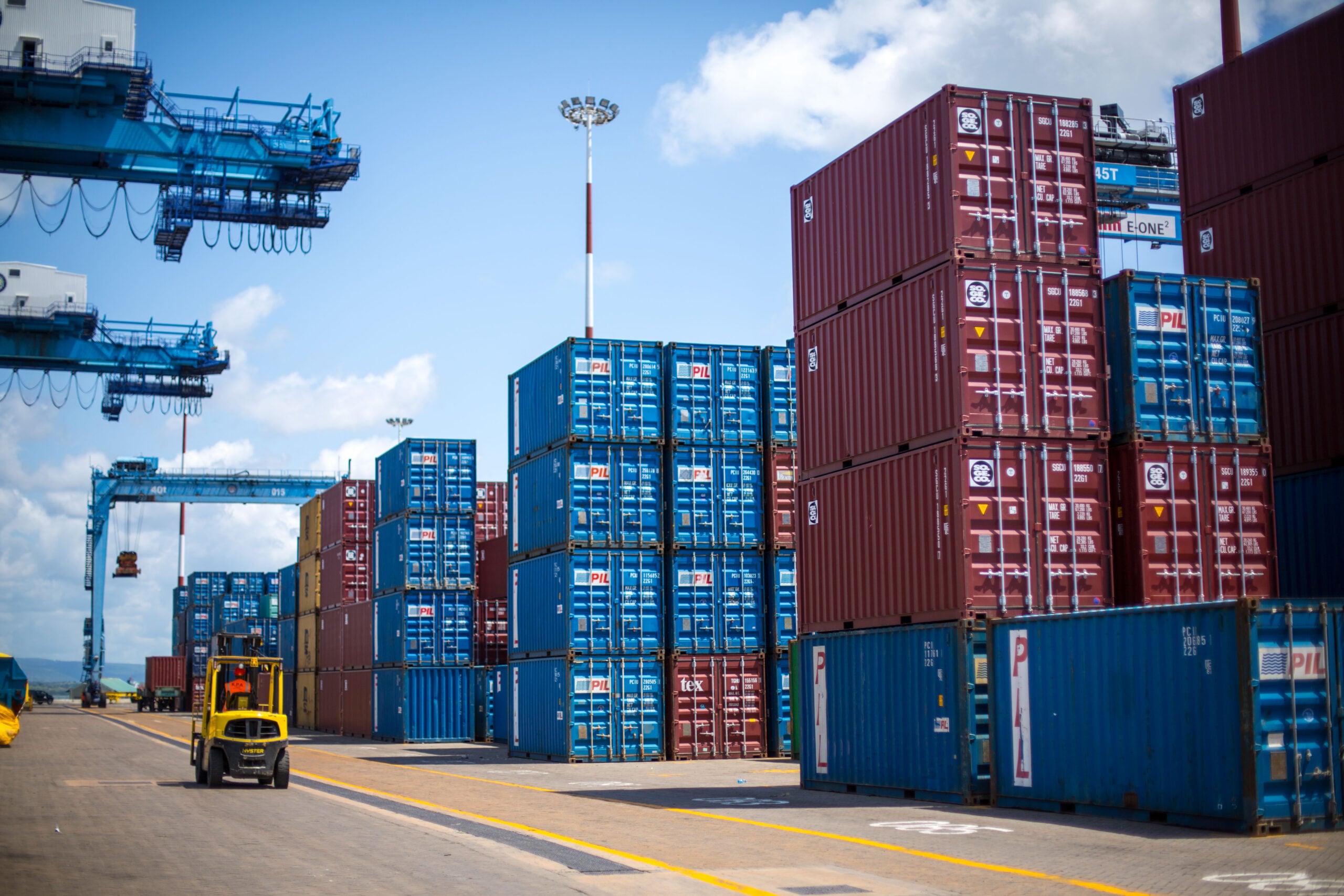
Kenya, whose port of Mombasa serves much of East Africa, earns much of its foreign currency from tea, flowers, fruit and meat. The United Arab Emirates (UAE), the Gulf federation that includes Dubai, has become one of its key buyers.
Shipments to the UAE reached Sh8.82 billion (about US$68 million) in July, according to the Kenya National Bureau of Statistics (KNBS). That was more than double the roughly Sh4.06 billion (about US$31 million) recorded in June.
All figures here are converted at 129.5 shillings per US dollar, the rate on 26 September 2026 (ExchangeRate-API). Monthly data come from KNBS, as reported by the Nation newspaper in Nairobi.
A rebound after a war-hit spring
Kenya’s exports to the UAE fell to Sh2.95 billion (about US$23 million) in April 2026. Business Daily, a Nairobi financial paper, called it the weakest month since July 2023.
The paper linked the slump to the US-Israeli war with Iran, which began on 28 February. The fighting disrupted traffic through the Strait of Hormuz, a vital Gulf shipping lane.
Shipments then recovered to about Sh4.05 billion (about US$31 million) in May and stayed near that level in June. July’s jump reversed a sharp second-quarter slowdown.
Where the UAE ranks
The UAE took about 6.8 percent of Kenya’s total exports in July. Only two markets bought more Kenyan goods that month.
Neighbouring Uganda took Sh12.62 billion (about US$97 million). The United States took Sh12.43 billion (about US$96 million).
Re-exports, goods that pass through Kenya on their way elsewhere, also rose. They reached Sh21.7 billion (about US$168 million) in July, up from Sh14.7 billion (about US$114 million) in June.
A market that was shrinking before the war
The UAE was already losing ground before the Iran conflict. KNBS data show Kenyan exports there fell 23 percent in 2025, to Sh77.77 billion (about US$601 million).
That was down from a record Sh101.34 billion (about US$783 million) in 2024. The United States overtook the UAE as Kenya’s largest export market outside the East African Community, the regional trade bloc.
Kenya’s 2026 Economic Survey, the government’s annual statistical review, blamed lower shipments of tea and re-exported jet fuel. Both flows went mainly to the UAE and Saudi Arabia.
The slide deepened in early 2026. In the first four months, sales to the UAE fell 39.5 percent to Sh13.85 billion (about US$107 million).
Exports to the United States rose 32.3 percent over the same period, to Sh32.56 billion (about US$251 million). Stronger American demand cushioned the Gulf slump.
What Kenya sells to the Gulf
KNBS monthly data do not break down exports to the UAE by product. In 2024 the main items were sheep and goat meat, tea, and fruit such as avocados, pineapples and dates.
The Gulf state also buys Kenyan vegetables and cut flowers. Dubai works as a re-export hub, so some Kenyan produce travels on to wider Middle Eastern and Asian markets.
Most of this trade moves by sea across the Red Sea and Gulf routes. That makes perishable cargo vulnerable to delays, higher freight rates and rising insurance costs.
The trade pact in the background
Kenya and the UAE signed a Comprehensive Economic Partnership Agreement (CEPA), a broad trade and investment pact, on 14 January 2025. The signing took place in Abu Dhabi.
It was the UAE’s first such agreement with a mainland African country. In March 2025, Kenya’s cabinet asked the National Assembly to begin ratifying it.
The pact aims to lower trade barriers and make investment easier in both directions. President William Ruto has made the UAE one of his most frequent foreign destinations since taking office in September 2022.
Who gains and who loses
Meat processors, tea sellers, avocado growers and flower farms gain most if Gulf demand holds. They also suffer most from shipping delays, because their goods spoil quickly.
Kenya needs those export earnings. Farm exports are a major source of foreign currency and help support the value of the shilling.
The spring showed the value of spreading risk. When the Gulf market weakened, higher sales to the United States and Uganda kept overall exports growing.
What to watch next
KNBS publishes monthly trade figures in its Leading Economic Indicators report. The August numbers will show whether July marked a recovery or a one-off spike.
A second month above Sh8 billion (about US$62 million) would point to a genuine rebound. Gulf shipping conditions and insurance costs remain the main swing factors.
The African Growth and Opportunity Act (AGOA), which gives Kenyan goods duty-free access to the US, was restored in February 2026. It expires again in December unless the US Congress renews it.
If that access lapses, the Gulf market could matter even more to Kenyan exporters. For the wider contest over trade and capital on the continent, see Africa: The New Scramble.
Frequently Asked Questions
How much did Kenya export to the UAE in July 2026?
Kenya exported goods worth Sh8.82 billion (about US$68 million) to the United Arab Emirates in July 2026. That was more than double the roughly Sh4.06 billion (about US$31 million) recorded in June.
Why did Kenyan sales to the Emirates fall in April 2026?
Business Daily linked the drop to the US-Israeli war with Iran, which began on 28 February and disrupted Gulf shipping. April shipments fell to Sh2.95 billion (about US$23 million).
What does Kenya mainly sell to the UAE?
The main items are sheep and goat meat, tea, fruit such as avocados, vegetables and cut flowers. Dubai also re-exports some Kenyan produce to wider Middle Eastern and Asian markets.
Is there a trade deal between Kenya and the UAE?
Yes, the two countries signed a Comprehensive Economic Partnership Agreement on 14 January 2025 in Abu Dhabi. It was the UAE’s first such pact with a mainland African country.
Connected Coverage
Sources
- nation.africa
- businessdailyafrica.com
- businessdailyafrica.com
- businessdailyafrica.com
- businessdailyafrica.com
- president.go.ke
- wam.ae
- thesharpdaily.com
- data.worldbank.org
This article was produced by The Rio Times’ automated newsroom system. How we use AI · Report an error
LatAm Markets: Live Signals → — real-time movers, turnover leaders and FX across Latin America.
Read More from The Rio Times