A problem of the Brazilian industry is the lack of predictability of Armed Forces purchases – Avibras
The Brazilian defense industrial base has Avibras Aerospace and Defense, one of the most outstanding and long-lived companies (it turned 60 years old in 2021) in its recent history.
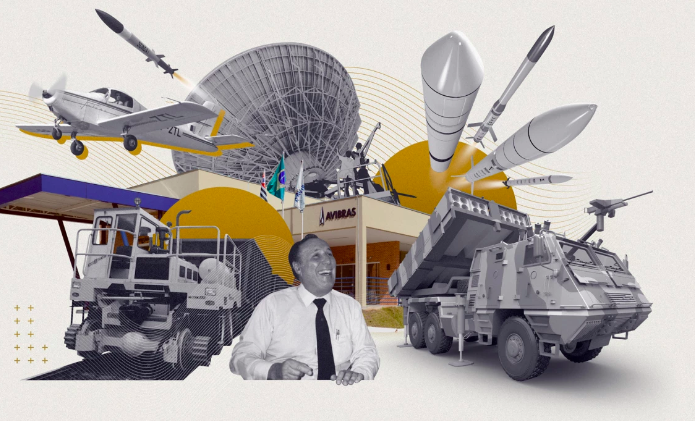
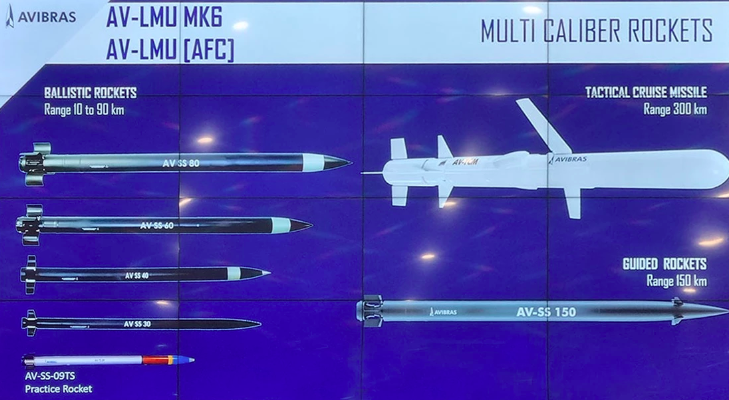
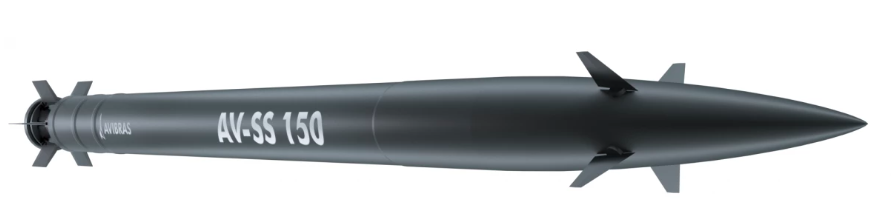
Able to manufacture communication systems, logistic implements, and auto parts, it is undoubtedly best known worldwide for designing and manufacturing the Astros, a rocket-based, combat-proven area saturation artillery system, and the Brazilian Army’s silver bullet with the advent of the tactical cruise missile.

Paradoxically, this high-tech company with highly qualified personnel, which masters various trades and develops advanced weapons systems, is going through its third judicial rescue.
This resource allows companies to suspend and renegotiate part of the debts accumulated during a crisis, avoiding the closure of activities, the always unwanted layoffs, and the lack of payments to creditors and suppliers.
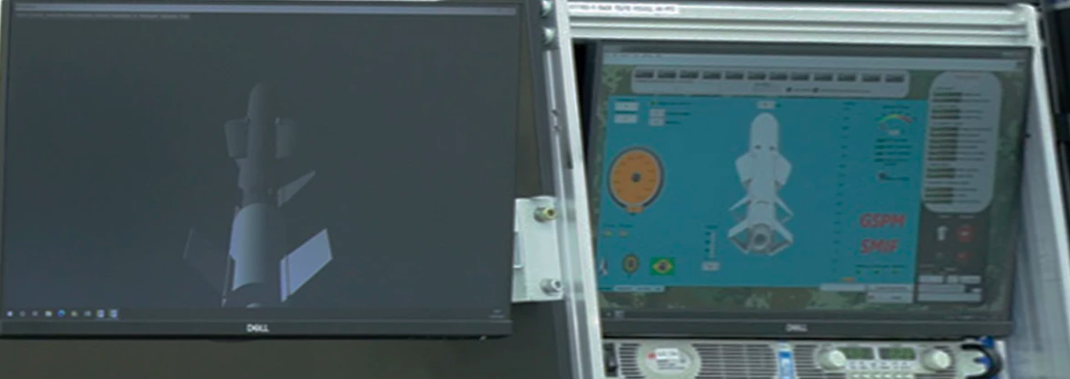
Infodefensa.com’s visit to Avibras‘ facilities, especially those linked to the development of the tactical cruise missile, demonstrated the dimension and importance of the technological legacy it represents.
DOLLAR
Here is a significant observation.
Avibras Aerospace and Defense, as a Strategic Defense Company, has a statement of fact in the word “Strategic” and not a casual marketing title.
The Brazilian company has mastery of the complete cycle of complex defense systems, a unique capability in the entire Southern Hemisphere, which was visually and technically confirmed by Infodefensa’s report.
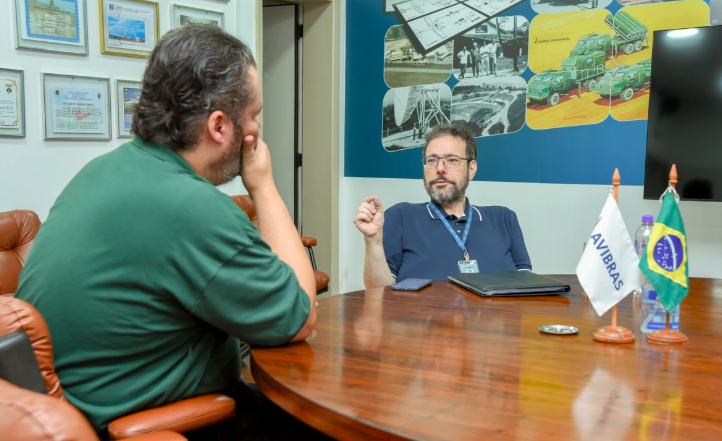
To talk about the judicial reorganization of the company and other issues related to the resources and financing mechanisms of the Brazilian Defense Industrial Base, among other topics, Infodefensa.com interviewed the company’s CEO and president, João Brasil.
What factors were responsible for Avibras’ third bankruptcy?
It is essential to mention a classic problem of the Brazilian Defense Industrial Base: the chronic lack of predictability of annual acquisitions, at least for the so-called consumables, ammunition replenishment, and provision of maintenance and support services revenues.
Establishing this predictability requires planning, solid multi-year plans, and a greater dialogue between the Brazilian State and the Defense Industrial Base because, with the current budgetary model, the feeling is that one does not know what tomorrow will be like, both for the Armed Forces and for BIDS.
With the arrival of the Covid-19 pandemic and the loss of some important export contracts, we have entered into this situation of judicial recovery.
(Author’s note: In those contracts, there would be at least one buyer of AV-MTC, a cruise missile launch customer, a business that the pandemic prevented).
So what is Avibras asking the Brazilian government: a contribution of resources to reverse the crisis caused by the Covid-19 pandemic?
This would be the main reason for the judicial recovery that we are going through; it is correct to say.
Still, I clearly see that if we had this minimum annual budgetary predictability that I mentioned, we could overcome these market fluctuations in a much more rational way, with difficulties, certainly, but not to the point of entering into such a traumatic judicial recovery.
We must know how to use the perpetuity of the Armed Forces as institutions of the Brazilian State with more wisdom and planning.
Does the new government that takes office in 2023 understand the importance of supporting the national defense industry?
Finding a solution to the problems of Brazilian defense companies involves a lot of dialogue with the Executive, the Legislative (National Congress), and statesmanlike actions.
I believe that President Luís Inácio [Lula] can be that statesman since it was during his first government that the National Defense Strategy was enacted and began to be implemented, thus guaranteeing many of the deliveries that take place until today.
A capable defense industry is a powerful diplomatic tool that opens new markets by bringing more Brazilian industries and products.
The diplomatic effect that an agreement in the Defense area brings to the Government-to-Government relationship opens space for other products, services, and technologies to be negotiated, and the role of the President of the Republic is significant.
The Minister of Defense also needs to be listened to more intensely.
Wouldn’t the return of this dialogue and promotion of BIDS to the Presidency of the Republic, as it was done before, increase companies’ access to better opportunities to promote their products, especially in international markets?
Greater synergy between the Ministry of Defense and the Presidency of the Republic would already bring many important benefits.
This should happen naturally as the new government learns about the many challenges ahead.
We are ready to share with this government the importance of Avibras’ legacy for Brazil.
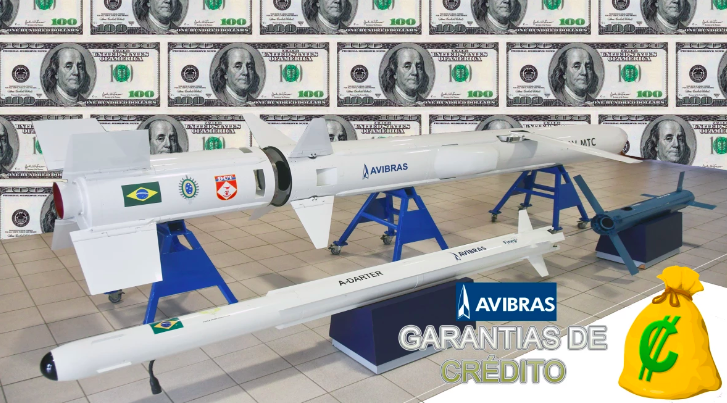
Let’s talk about Bank Guarantees, an urgent issue for Avibras. Why is it important to include the company in this financial mechanism at the beginning of 2023?
Down payment guarantees, and contract performance, guarantees work like this, the more advantageous the contract the company gets, the more difficult it is to obtain this coverage in the financial market.
There is this unbelievable reputational concept that the Defense sector is bad for the image of the giant Brazilian banks and their investors.
We are systematically denied access to this credit, even by Banco do Brasil, to name one institution.
The budgetary issue and the export guarantee insurance must be on the agenda of the National Congress.
This cannot remain only in the Executive Branch; the Legislative Branch needs to define the investments in the Brazilian Defense industrial base in a permanent, linear, and planned way.
We generate a considerable amount of federal and state taxes when we produce.
What about the question of Avibras having access to the General Export Fund to finance part of its contracts?
The General Export Fund, if available today, just with Avibras’ operations, could be about R$3 billion in cash (US$579 million).
This is an issue that the Chamber of Foreign Trade (Camex) needs to look at carefully, but it is necessary to start with the Legislative.
We need to clarify the Legislative regarding these circumstances, the entry of foreign currency into the country by exporting companies, and not only through highly volatile speculative capital.
And when I say we need, I am talking about the fundamental actions of the Counties, of Abimde, of Simde, of the Federations, of the National Confederation of Industries, in short, of all the actors involved.
To obtain the guarantees required by the contracts, we need to export.
The purchasing power of the Brazilian State alone does not sustain the structure that Infodefensa.com had the rare opportunity to see.
In addition to institutional support for exports, we need practical support, which is export guarantees.
João Verdi, my father and founder of Avibras, talks about export credits and guarantees in almost all of the interviews he gave as head of the company.
For decades, this has been a painful and recurrent problem in the Brazilian Defense Industrial Base.
But would an Export Fund independent from the federal budget be enough?
No doubt about it! A genuinely effective financing policy for exporting companies would generate resources for the Federal Government with very low risk.
Such a fund could be administered by Camex under the coordination of the economic area of the Federal Government so that it would cease to be just an accounting thing and become very effective even if it did not have huge resources.
We know that the new government is willing to help the Defense Industrial Base, but we need this to be operational in the very short term.
We understand that we are not at the top of the government’s priorities, but we cannot be outside the government’s priorities, or we will lose this technological legacy.
With information from Infodefensa
This article was produced by The Rio Times’ automated newsroom system. How we use AI · Report an error · Editorial responsibility: Matthias Camenzind, Editor-in-Chief
Read More from The Rio Times