The analysis of thousands of satellite images from the last 37 years revealed significant losses of tropical forests and glaciers in the country, which have repercussions on the current climate.
Forestry engineer Marlene Quintanilla explained to Sputnik how this environmental deterioration occurred and assessed the consequences for the population.
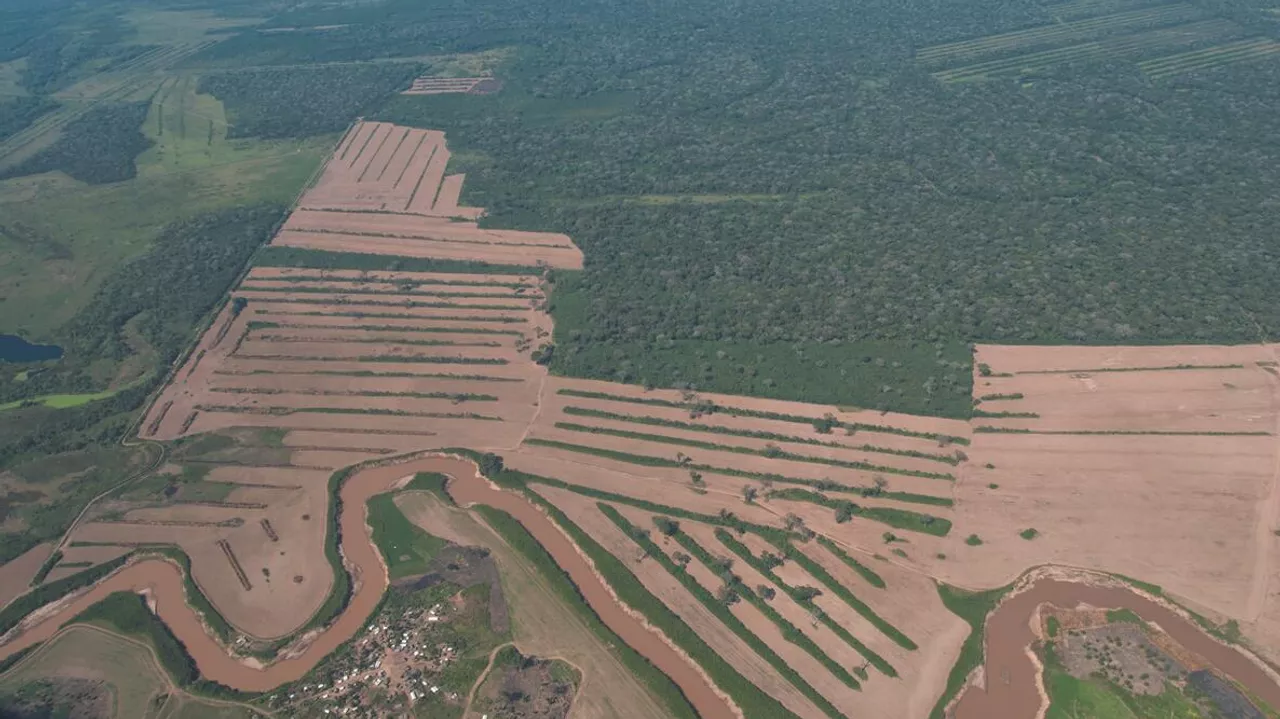
The Friends of Nature Foundation (FAN) research, carried out with the support of the Amazon Socio-environmental Information Network (RAISG), showed that Bolivia went from having 63 million hectares covered with trees in 1985 to 55 million hectares in 2022.
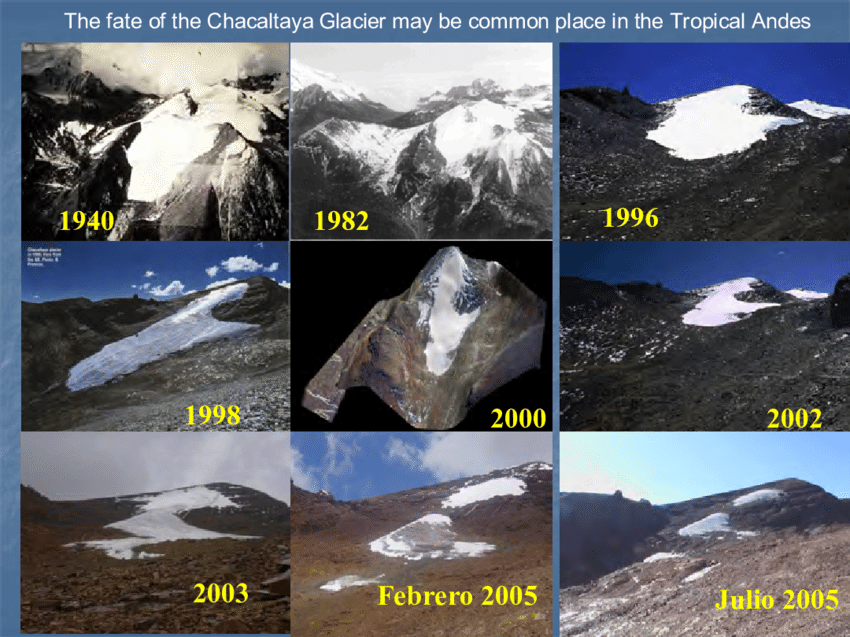
At the same time, 56% of the country’s glaciers evaporated.
Through the study Looking at the Past to Trace the Future of Bolivia’s Forests, the foundation aims to “know what the changes are, where the most sensitive areas are suffering these changes because our focus is on biodiversity conservation,” Marlene Quintanilla, FAN’s Director of Research and Knowledge Management, explained to Sputnik.
“When land use changes are made, they affect biodiversity and the ecosystem services from which Bolivians benefit,” the forestry engineer said.
Quintanilla emphasized that the study aims to detect the causes of the loss of Andean forests and glaciers.
This will allow more effective actions for environmental protection.
“It is an important milestone to have data that allows us to visualize a history of more than 37 years. This way, we can better understand what has happened each year,” she said.
In this way, it is possible to elucidate the immediate effect the recent decades’ state policies have had on the agricultural sector.
The researcher explained that between 1996 and 2000, deforestation peaked at 190,000 hectares per year.
A new leap occurred as of 2015 when 200,000 hectares were logged per year for the first time.
“Bolivia became more open to expanding agricultural areas through public policies at that time,” she said.
Between 2016 and 2020, “deforestation exceeded 200,000 hectares. We reached 270,000 hectares, which is a very important amount,” equivalent to the loss of 35 soccer fields per hour.
The problem has worsened in recent years.
“In 2021 and 2022, deforestation has increased above 370,000 hectares yearly. Last year we exceeded 400,000 hectares of forest eliminated,” she said.
This is a vehement warning sign for the director of Research and Knowledge Management of the FAN.
“Deforestation in the country is expanding and is double what it used to be”.
Deforested Santa Cruz
Seventy-five percent of those eight million hectares logged are in the department of Santa Cruz (east).
“Where they are deforesting, the soils do not have the ideal productivity. Quintanilla explained they are poor soils,” which is why the new lands only produce for five years at most.
“This does not improve the economy because they are exploiting areas unsuitable for sustaining crops,” said the expert.
For the FAN representative, the population must become aware of the origin of the products it consumes.
“For example, there is no difference in price between wood that comes from legal management versus wood of illegal origin. As a population, we are responsible because we do not differentiate where the products come from”.
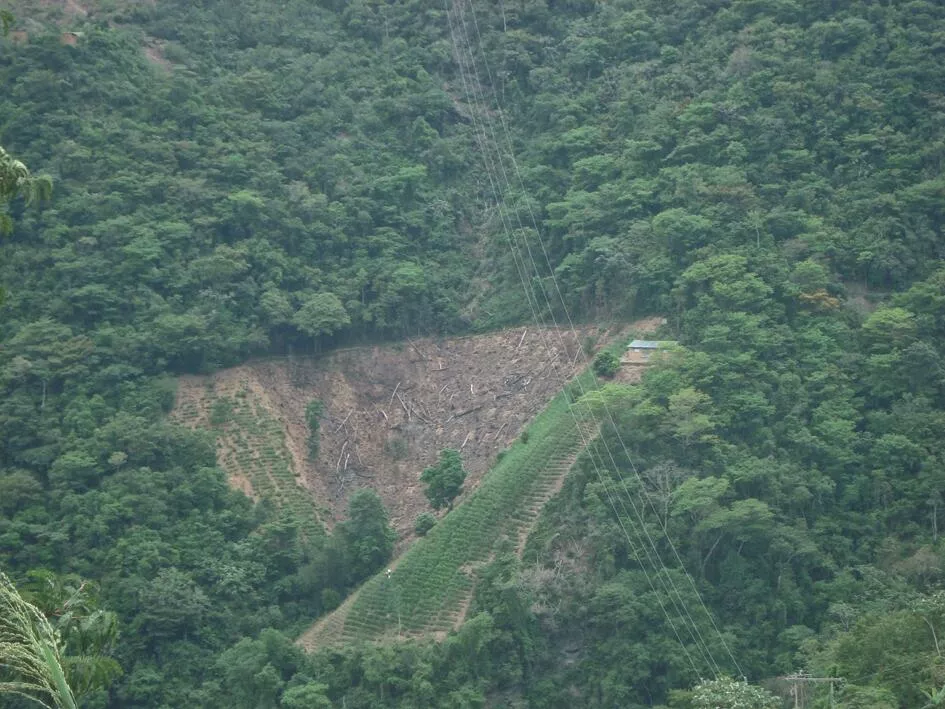
The director explained that to access the right to own land, they must give productivity to up to 20 hectares, which results in more deforestation.
Also, the researcher said that the start of mining projects in forested areas of Santa Cruz contributes to environmental deterioration.
She also noted the constant arrival of investors from neighboring countries, who have the resources to produce soils with no productive vocation.
LAST GLACIERS
The analysis of satellite photos of the last decades allowed us to identify the retreat of the Andean glaciers, present in the departments of La Paz, Oruro, and Potosí.
The melting of snow-capped mountains is a global phenomenon affecting tropical glaciers, including those found in Asia.
It is fundamentally based on the planet’s average temperature increase, which has risen steadily in recent decades.
For Quintanilla, in Bolivia, there is a remarkable effect that links the melting of glaciers with deforestation in the east of the country. It is part of the water cycle.
“Everything is interconnected. The air masses coming from the Atlantic Ocean pick up the air masses and humidity that the Amazon forests have.”
“These air masses reach the Andes and generate rainfall,” which leaves water for activities and human consumption, as well as cooling the temperatures of the cities in this region.
“So, the forests are temperature regulators.”
“They provide humidity through the ‘flying rivers’, as they call the humidity that travels and collides with the Andes to generate the water cycle and supply the main Andean cities,” Quintanilla said.
“When you remove a forest, you remove all this amount of moisture that has to travel through the atmosphere until it reaches the watersheds and aquifer reservoirs,” which impacts water scarcity in the Andean departments.
“Therefore, “deforestation, not only in Bolivia but also in Brazil, directly impacts the highlands”.
Quintanilla pointed out that the evaporation of glaciers has no solution in sight.
“It is difficult to recover because when we talk about forest, we can restore and not touch certain areas.”
But in the case of glaciers, “there are longer processes, hundreds of thousands of years, for the ice sheets to form on the mountains. So it is almost impossible to regenerate the glaciers.”
Therefore, “it is up to us to stop deforestation or limit it,” she warned.
With information from Sputnik
News Bolivia, English news Bolivia, Bolivian environment
More: Bolivia news in English, every day from The Rio Times.
Editorial responsibility: Matthias Camenzind, Editor-in-Chief · Editorial standards · Report an error