Mexican Giant Grupo Bimbo Nears Spanish Waffle Maker Buyout
Mexico · Companies
Key Facts
—Target company. Punto Gofre, an Alicante-based waffle maker founded in 1978.
—Product line. Classic and chocolate waffles sold under Mercadona’s Hacendado brand.
—Deal timeline. Negotiations are advanced; closure expected in autumn 2026.
—Deal size. Financial terms have not been publicly disclosed.
—Bimbo’s vehicle. The acquisition would be handled by subsidiary Bakery Iberian Investments.
Grupo Bimbo, the Mexican baking powerhouse, is in advanced negotiations to acquire Punto Gofre, a historic Spanish waffle maker based in Alicante, according to Spanish business daily el Confidencial.
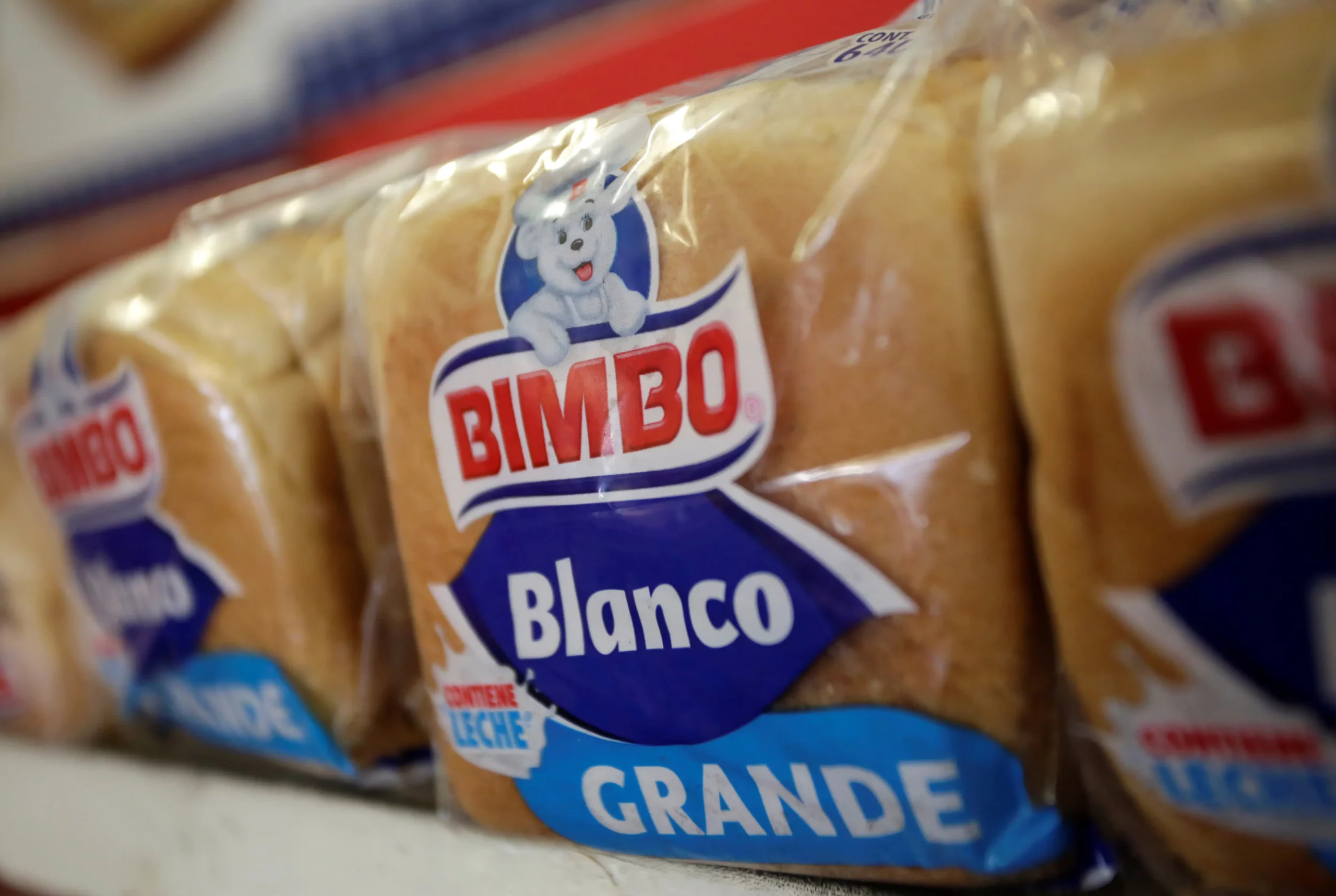
What Grupo Bimbo Already Owns in Europe
The company’s European footprint grew dramatically in 2019 and 2021 when it bought two factories from Cerealto Siro Foods. Those plants, located in Paterna (Valencia) and Medina del Campo (Valladolid), transformed Grupo Bimbo into the primary bread and pastry supplier for Mercadona, Spain’s largest supermarket chain.
That move paid off quickly. Sales across Grupo Bimbo’s Europe, Asia, and Africa division jumped 13.2%, generating €428 million (roughly US$489 million) in revenue over a single three-month period.
For foreign readers unfamiliar with the landscape, Mercadona is a dominant force in Spanish retail, controlling roughly a quarter of the country’s grocery market. Becoming its trusted manufacturing partner is a coveted position that guarantees massive, steady production volumes and long-term stability.
Adding Waffles to the Cart
Punto Gofre would bring a completely new category into the fold. Founded in 1978 by Belgian entrepreneur Henry Monsieur, the company produces classic waffles and chocolate waffles exclusively for Mercadona’s popular Hacendado private-label brand.
This is not a branded play. Grupo Bimbo is deliberately shifting from selling its own labels on crowded supermarket shelves to becoming an indispensable white-label partner for Mercadona, locking in high-volume, long-term production contracts.
The Hacendado brand is a household name across Spain, covering everything from milk and olive oil to cleaning products. By adding waffles to its existing bread and pastry supply deals, Grupo Bimbo captures a larger share of the breakfast and snack aisle without the marketing costs of building consumer brand loyalty.
Live Company IntelligenceGrupo Bimbo S.A.B. de C.V — the full investor dossier
Valuation & profitability
Price & risk
$52.0752-wk high
$67.43
Revenue trend · 6y
Ownership
Dividend
Why Grupo Bimbo Is Betting on White Labels
The strategy is a direct response to earlier struggles. Before the Cerealto Siro acquisitions, Grupo Bimbo’s Spanish operations had accumulated losses of €236 million (about US$269 million).
By leveraging its massive production scale to serve Mercadona’s private-label portfolio, the company is revitalizing its Iberian business. The Punto Gofre deal would deepen that relationship, covering a breakfast staple beyond bread and pastries.
For expats and investors, this signals a pragmatic pivot. Instead of fighting for shelf space against entrenched European brands, Grupo Bimbo is embedding itself in the supply chain of the country’s top retailer, trading thinner margins for guaranteed demand and operational efficiency.
A Quietly Expanding European Footprint
Grupo Bimbo is already a global titan, with operations in more than 30 countries, but its European presence remains a work in progress. The Iberian market, encompassing Spain and Portugal, serves as its main beachhead for the continent.
The subsidiary Bakery Iberian Investments was created specifically to manage these acquisitions, signaling a structured, long-term commitment rather than a one-off experiment.
This European expansion mirrors the acquisition-driven strategy Grupo Bimbo has pursued across Latin America, where our reporting has documented its aggressive consolidation of regional baking markets. In Uruguay, Bimbo’s acquisition of Pagnifique overcame regulatory rejection to secure control of up to 70% of the bread market, while in Brazil it absorbed Wickbold and in North Africa it recently acquired Morocco’s Joy Food International. The Punto Gofre deal, though smaller in scale, follows the same playbook: identify established local producers, acquire their manufacturing capacity and retail contracts, and integrate them into a global production network that now spans more than 30 countries. Each deal adds another piece to a manufacturing network designed to serve Mercadona’s sprawling logistics system.
For tourists and casual observers, the name Grupo Bimbo might conjure images of its iconic teddy bear mascot on packaged snacks back home. In Spain, however, the company is increasingly invisible to shoppers, operating behind the scenes as the industrial engine for the store-brand products locals buy every day.
The Road Ahead for the Deal
No purchase price has been disclosed. The transaction would be executed through Bakery Iberian Investments, the subsidiary Grupo Bimbo uses for its Iberian acquisitions.
If talks conclude successfully, the deal could close in autumn 2026. It would mark another quiet but calculated step in the Mexican group’s mission to dominate Europe’s private-label bakery sector from the inside.
What happens next depends on regulatory approvals and final negotiations, but the pattern is clear. Grupo Bimbo is likely to continue scouting for established, family-run suppliers who already hold prized contracts with Mercadona, folding them into its growing Spanish production network.
More: Mexico news in English, every day from The Rio Times.
Frequently Asked Questions
What does Punto Gofre make?
Punto Gofre produces classic and chocolate waffles sold in Spain under Mercadona’s Hacendado private-label brand. The company was founded in 1978 in Alicante by Belgian entrepreneur Henry Monsieur and has been a trusted supplier for Spain’s largest supermarket chain ever since.
Why is Grupo Bimbo buying white-label suppliers?
The company is shifting from branded sales to becoming Mercadona’s exclusive manufacturing partner, securing stable, high-volume contracts to turn around its previously loss-making Spanish operations. Before this strategy began, Grupo Bimbo’s Spanish unit had accumulated losses of €236 million (about US$269 million), making the pivot to private-label production a critical financial turnaround plan.
When will the Punto Gofre deal close?
Negotiations are advanced, and if finalized, the acquisition is expected to close in autumn 2026. The deal would be executed through Bakery Iberian Investments, the subsidiary Grupo Bimbo uses specifically for its Iberian acquisitions, though no purchase price has been publicly disclosed.
Connected Coverage
This article was produced by The Rio Times’ automated newsroom system. How we use AI · Report an error · Editorial responsibility: Matthias Camenzind, Editor-in-Chief
In depth
LatAm Markets: Live Signals → — real-time movers, turnover leaders and FX across Latin America.