From Plantations to Barricades: The 30-Day Strike That Forced Panama to Declare Emergency Measures
On May 27, 2025, Panama’s government declared a state of emergency in Bocas del Toro province after a month of protests and strikes led by the Banana Industry and Related Companies Workers’ Union (Sitraibana).
The crisis originated in opposition to two pension reform laws: Law 45, which regulates retirement benefits for agricultural workers, and Law 462, a broader overhaul of the state-run Social Security Fund (CSS).
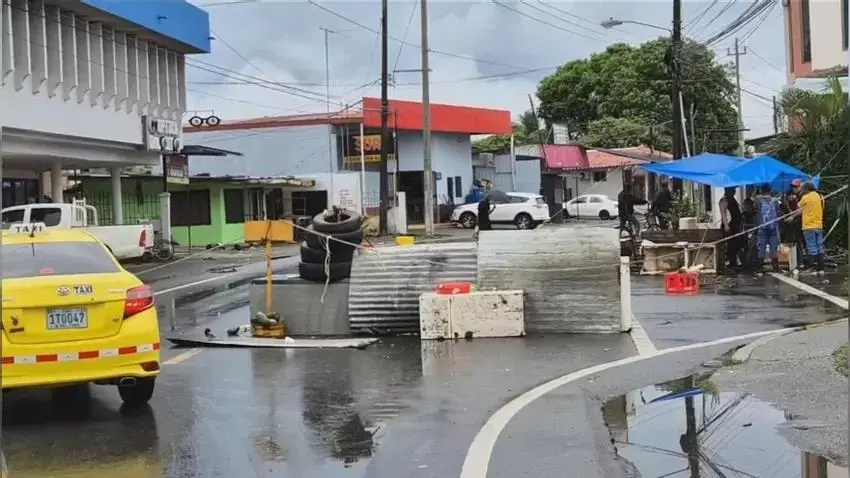
The strikes, which began on April 28, 2025, quickly escalated as teachers’ unions and the Construction Workers’ Union (Suntracs) joined the protests, erecting over 30 roadblocks that severed supply chains for essentials like fuel, medicine, and food.
The economic toll has been severe. Chiquita Panama, the region’s largest employer, reported $75 million in losses due to halted operations and the destruction of crops.
A May 16, 2025, ruling by a Changuinola labor court declared the strike illegal, citing violations of Panama’s Labor Code, but unions defied the order. Chiquita responded by laying off approximately 5,000 workers, arguing the strike constituted “unjustified abandonment of work.”
Agricultural producers estimate 900,000 boxes of bananas (worth $10 million) were lost to spoilage by mid-May, with long-term damage to plantations threatening a 40% reduction in future harvests.
This is particularly critical for Panama’s economy, as Bocas del Toro contributes 17.6% of the nation’s banana exports, a sector that supports 7,300 direct jobs. Socially, the province’s 200,000 residents faced acute shortages.
Hospitals reported dwindling stocks of insulin and antibiotics, while small businesses, including tourism operators, incurred $2.3 million in losses due to canceled bookings.
Panama’s Emergency Decree Spurs High-Level Commission
The government’s emergency decree (Cabinet Decree No. 48) established a High-Level Commission to expedite recovery efforts through emergency contracts for infrastructure and supply chain repairs.
The commission, led by ministers from Labor, Agriculture, and Health, emphasized constitutional rights would remain intact and avoided using force to clear blockades, prioritizing dialogue instead.
The protests reflect deeper societal tensions. Unions argue the pension reforms—intended to address a projected $1.2 billion CSS deficit by 2030—unfairly reduce worker benefits.
Teachers’ unions, meanwhile, demand a 30% salary increase, while Suntracs opposes a U.S.-Panama security memorandum, framing it as foreign interference.
The government maintains the reforms are fiscally necessary but has struggled to negotiate, as unions reject conditional talks tied to ending the strike.
More: Latin America news in English, every day from The Rio Times.
This article was produced by The Rio Times’ automated newsroom system. How we use AI · Report an error
Read More from The Rio Times