DHL Bets R$270 Million on the Hole FedEx Left
BRAZIL · LOGISTICS
Key Facts
- —The commitment DHL Express is putting R$270 million into Brazil through 2030, announced in August 2026.
- —The capacity The São Paulo distribution centre handles about 3,000 pieces an hour. The target is double that by 2028.
- —The retail build From 39 stores to 75 by 2030, plus 17 new collection mini-centres.
- —The reach A network covering roughly 3,300 municipalities, about 90 percent of Brazilian GDP.
- —The vacancy FedEx announced on 7 January 2026 that it was closing its Brazilian domestic operation after 37 years. Client collections stopped about 30 days later.
- —The other hole Correios lost R$5.6 billion in the first half of 2026, after a record R$8.5 billion loss in 2025.
Runoff · Sunday, 25 October
Brazil Runoff 2026: Lula vs Flávio
Date, polls, debates, odds and how the runoff works, updated every day.
Read our Brazil election 2026 runoff guide →
Brazil runoff polls · Polymarket and Kalshi odds · When results come · Brazil election poll data (CSV)
Prediction markets · who wins the runoff
Implied chance of winning Brazil’s presidency on 25 October, from traders’ prices.
Polymarket
Flávio Bolsonaro 79.7% · Lula 20.5% (US$197 million traded)
Kalshi (regulated in the US by the CFTC)
Flávio Bolsonaro 80% · Lula 21%
As of 24 October, 11:40 pm ET (03:40 Lisbon), updated every 20 minutes. Prices are bets, not polls, and can move fast.
Why we show this: prediction markets turn real-money bets into a live probability that moves within minutes of the news, which is why investors, campaigns and newsrooms in the United States now follow them closely. We show them next to polls and official results, never instead of them.
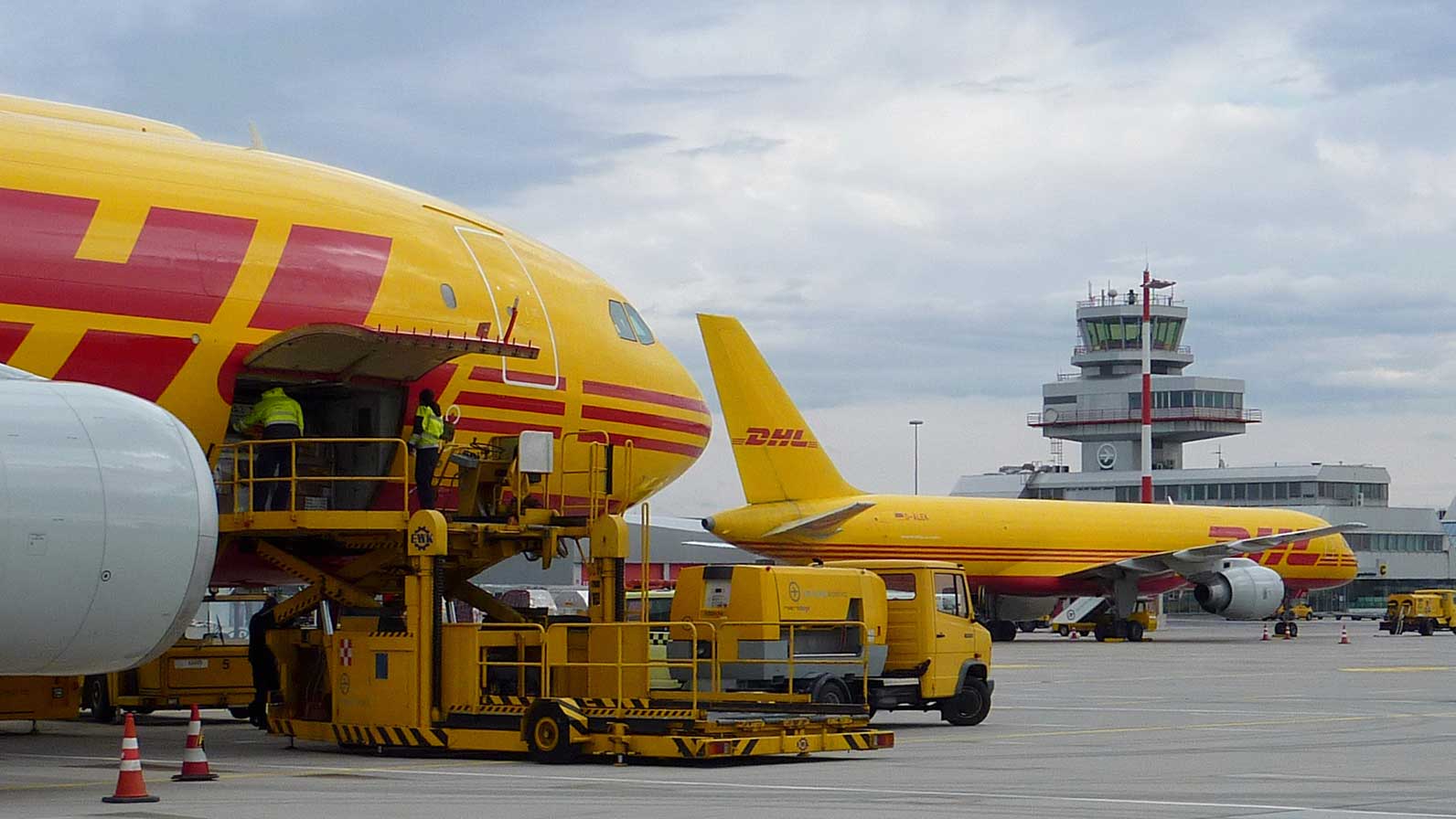
Two of the biggest names in Brazilian parcel delivery stopped competing this year. One shut its domestic arm, the other is losing billions. DHL has decided that is an opening.
DHL Express said in August it will spend R$270 million in Brazil through 2030, expanding its São Paulo distribution centre and nearly doubling its retail footprint. The timing is not accidental.
What the Money Buys
The core of it is the São Paulo distribution centre. It processes roughly 3,000 pieces an hour today. DHL wants that doubled by 2028, two years before the spending programme itself runs out.
The retail side grows from 39 stores to 75 by 2030, with 17 additional collection mini-centres alongside them. Those are the customer-facing points that matter for small exporters, who cannot run their own pickup contracts.
DHL puts its Brazilian coverage at about 3,300 municipalities, which it translates as roughly 90 percent of national GDP. Mirele Mautschke, chief executive of DHL Express Brazil, said the company will pursue growth in Brazil organically.
That word is doing work. DHL looked at buying Correios once. The Chamber of Deputies approved a privatisation bill in 2021 and the Senate did not take it up. The company is not pursuing that route now.
The Two Gaps
FedEx announced on 7 January 2026 that it was ending its domestic transport operation in Brazil after 37 years. Collections from clients stopped roughly 30 days later, in the first week of February.
It is worth being precise about what closed. FedEx did not leave Brazil. It shut the domestic parcel business and kept international transport, air and road services and supply-chain solutions. The company described the move as a strategic repositioning responding to market dynamics, and did not disclose how many jobs went.
The second gap is public. Correios lost R$3.2 billion in the first quarter of 2026 and R$5.6 billion across the first half, following a record R$8.5 billion loss in 2025. The Treasury has been co-signing its debt rather than restructuring it, and management has ruled out privatisation even as reporting has put the potential shortfall as high as R$23 billion next year.
Correios is still the only delivery option in around 40 percent of Brazilian municipalities. That is precisely the coverage a private carrier cannot replicate quickly, and precisely why its financial state is a national logistics problem rather than a state-company problem.
DHL Is Not Alone
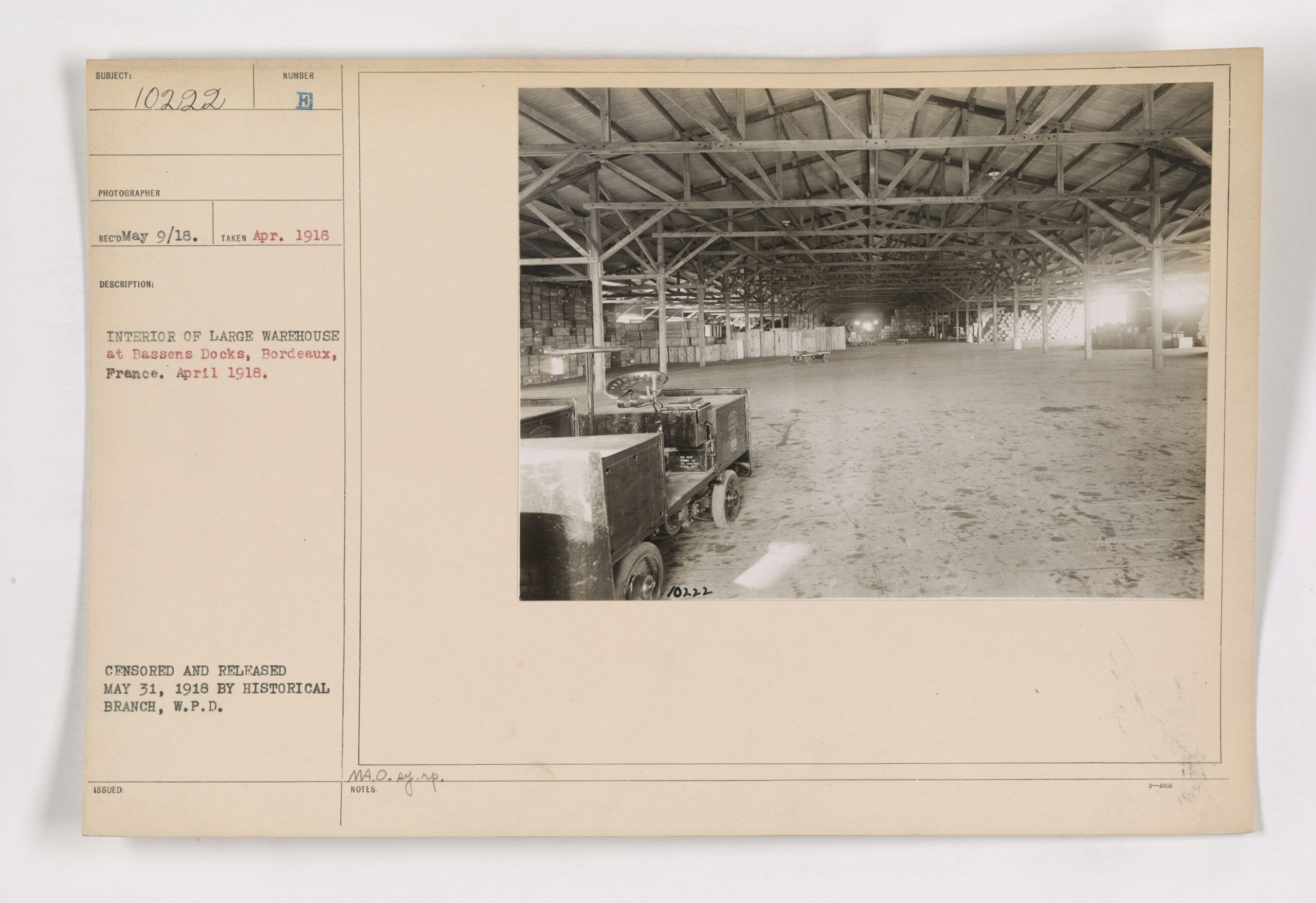
Jadlog opened a R$200 million hub in Perus, in northwest São Paulo near the Rodoanel, on 7 May. It is about 20,000 square metres with 87 loading docks and a 310-metre circular sorter, rated at 18,000 packages an hour up to 35 kilos each. Chief executive Bruno Tortorello named it Jadlog Nexus 87. It is the largest single investment in the company’s twenty-year history.
DHL had already committed R$100 million in March, through a different division. That one is DHL Supply Chain Latin America, under chief executive Agustín Croche, and it funds a fifth distribution hub, the first in the centre-west, plus refrigerated and armoured fleet for pharmaceutical logistics and equipment tied to data-centre projects.
The pharmaceutical piece has a specific driver. Weight-loss drugs are high value, temperature-sensitive and stolen often enough to change how they are moved.
Brazilian e-commerce turnover is running at roughly R$259 billion for 2026 on the commonly cited estimates, growing around 15 percent. Estimates vary by methodology and the range in circulation runs from about R$235 billion upward, so the growth direction is firmer than the level.
One Link Worth Not Making
CMA CGM agreed on 1 July 2026 to acquire FedEx Supply Chain, at an enterprise value of about US$1.4 billion, through its CEVA Logistics arm.
It is tempting to read that as the second act of FedEx’s Brazilian retreat. It is not. The transaction covers North America only, some 150 warehouses and about 20,000 employees across more than 240 locations. Brazil is not part of it.
The two events are unrelated except in that both involve FedEx narrowing what it owns.

What to Watch
The test of DHL’s bet is whether doubling São Paulo throughput by 2028 arrives before Correios stabilises or is restructured. If the state carrier is recapitalised and holds its municipal coverage, the addressable gap is smaller than it looks today.
The second test is margin. Domestic Brazilian parcel delivery is what FedEx walked away from after 37 years, and FedEx did not explain why in operational terms. Whatever made that business unattractive has not obviously changed.
DHL’s answer is that it is not chasing the same volume. Express and international, plus small and micro business customers through an expanded retail network, is a different book from nationwide domestic parcels.
More: Brazil news in English, every day from The Rio Times.
Frequently Asked Questions
How much is DHL investing in Brazil?
DHL Express committed R$270 million through 2030 in August 2026. Separately, DHL Supply Chain Latin America announced R$100 million in March 2026.
Did FedEx leave Brazil?
No. It closed its domestic transport operation, announced 7 January 2026 with client collections ending about 30 days later, but kept international transport and supply-chain services in the country.
What is happening to Correios?
It lost R$5.6 billion in the first half of 2026 after a record R$8.5 billion loss in 2025. The government is guaranteeing its debt and management has ruled out privatisation.
Does the CMA CGM deal affect Brazil?
No. CMA CGM’s US$1.4 billion agreement to buy FedEx Supply Chain, announced 1 July 2026, covers North America only.
What else is being built?
Jadlog opened a R$200 million hub in Perus, São Paulo, on 7 May 2026, rated at 18,000 packages an hour.
Sources: NeoFeed, Exame, ND+, Mundo Logística, Transporte Moderno, CMA CGM, Poder360, Metrópoles, Gazeta do Povo.
This article was drafted with automated assistance and reviewed before publication. How we use AI · Report an error · Editorial responsibility: Matthias Camenzind, Editor-in-Chief