
Mexico · TOURISM
Key Facts
- —What happened Fonatur has started work on its first new resort in twenty years, in Nayarit.
- —How big The first phase covers 542 hectares and costs 7,134.7 million pesos (US$422 million).
- —The real story The agency is returning to its classic role of building destinations from scratch.
- —The catch No completion date or hotel count has been announced; only the first phase is underway.
- —On the map Centro Turístico Sustentable Compostela sits in Compostela, Nayarit, on Mexico’s Pacific coast.
- —What comes next Later phases remain undefined, with the focus now on Boca de Chila and Chacala-Las Cuevas.
The new Pacific coast project marks a return to Fonatur’s classic role as a state developer. Meanwhile, the agency’s focus shifts toward the Tren Maya.
The Fonatur Nayarit resort is Mexico’s first new state tourism development in twenty years. The federal agency, Fonatur, has begun work on the Centro Turístico Sustentable Compostela in the Pacific state of Nayarit.
A New Beginning for Fonatur
However, Mexico’s state tourism developer is building a new destination for the first time in two decades. According to El Economista, the project is the Centro Turístico Sustentable (CTS) Compostela, in the municipality of Compostela, Nayarit.
Work has already started this year. The first phase covers 542.32 hectares, about 1,340 acres, and requires an investment of 7,134.7 million pesos (US$422 million).
The project marks a return to Fonatur’s traditional role. After two decades, the agency is again building a destination from scratch.
The project is located in Nayarit, a Pacific coast state north of Puerto Vallarta. However, this marks a significant shift for the agency, which has focused on other duties.
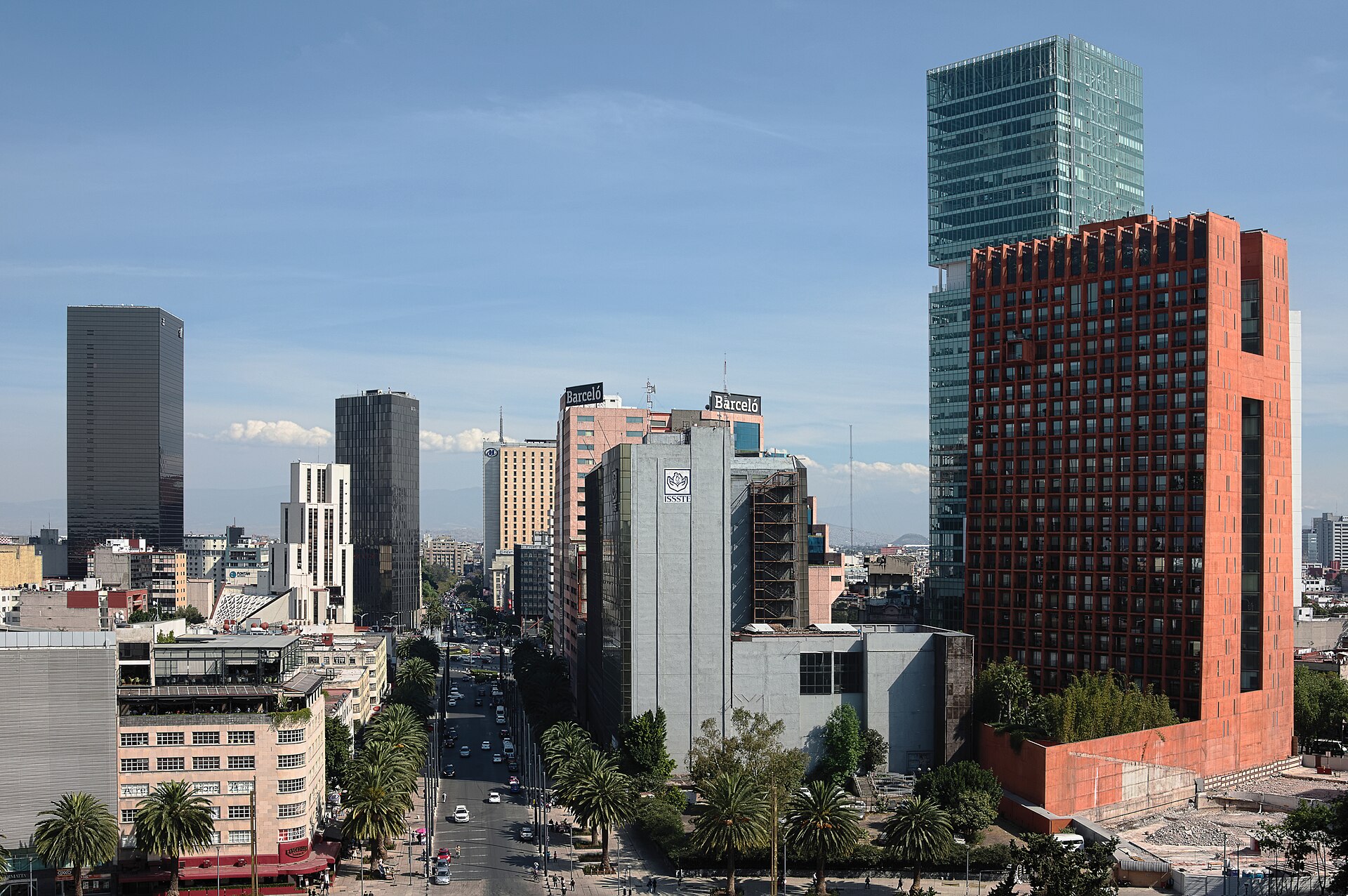
What Is Fonatur?
Fonatur is the Fondo Nacional de Fomento al Turismo, or National Tourism Promotion Fund. Moreover, it is a federal agency that assembles land and lays down roads, water, and power.
The agency sits under the tourism ministry. In fact, according to the Diario Oficial de la Federación, Fonatur is a parastatal body assigned to the Secretariat of Tourism.
Fonatur develops land for tourism, then sells or leases it to developers. This model has produced major resort cities across Mexico.
Fonatur’s model involves assembling land and providing infrastructure, then attracting private investment. As a result, it has created major destinations like Cancún and Los Cabos.
The New Project’s Components
The site brings together two sustainable tourism projects. El Economista reported that CTS Compostela will integrate Boca de Chila and Chacala-Las Cuevas.
These are part of the first phase, which has already begun. The investment figure is 7,134.7 million pesos, which at the Banxico FIX rate of 16.90 pesos per dollar is about US$422 million.
The first phase covers 542.32 hectares, or about 1,340 acres. This area includes two sustainable tourism projects, Boca de Chila and Chacala-Las Cuevas.
Boca de Chila and Chacala-Las Cuevas are the two sub-projects within the first phase. Meanwhile, the investment of 7,134.7 million pesos (US$422 million) will fund this initial development.
Fonatur’s Past Creations
Fonatur has a long history of building resort cities from scratch. Its own list names five Centros Integralmente Planeados, meaning resort cities planned from scratch: Cancún, Ixtapa, Huatulco, Los Cabos and Loreto.
In short, these are large, planned destinations with airports, hotel zones and road grids. Cancún is the most famous example.
These planned centres are designed from scratch on empty coastline. Each includes its own airport, hotel zone, and residential areas.
These five centres are known as Centros Integralmente Planeados, or CIPs. In addition, they represent the agency’s most ambitious projects, each with its own airport and infrastructure.
Smaller Projects in the Mix
In addition, Fonatur lists three Proyectos Turísticos Integrales, or Integral Tourism Projects. These are Marina Cozumel, Litibú and Playa Espíritu, and they are smaller than the CIPs.
The new Nayarit project is a different category, a sustainable tourism centre. Still, it follows the same model of state-led development.
These smaller projects are part of Fonatur’s portfolio. They are less extensive than the five major centres.
These Proyectos Turísticos Integrales are smaller than the CIPs but still significant. However, the new CTS Compostela is a different category, focusing on sustainability.
A Nearby Precedent
The nearest precedent is in the same municipality. Fonatur’s Proyecto Turístico Integral Costa Canuva sits in Riviera Nayarit, in Compostela.
According to a Fonatur communiqué, Costa Canuva has capacity for 7,208 lodging units, of which about 3,200 will be hotel rooms. Meanwhile, that project involves a US$1.8 billion investment across 250 hectares, with a Ritz-Carlton Reserve as the first hotel.
Costa Canuva is a larger project in the same region. However, the new CTS Compostela is a different category, focusing on sustainability.
Costa Canuva is a larger project, with a US$1.8 billion investment across 250 hectares. In contrast, the new project’s first phase covers 542.32 hectares, though its full scope is unknown.
How Fonatur Works
Fonatur puts in land and infrastructure, then looks to private capital for the hotels. For example, Opportimes reported that Fonatur is the original landowner and holds a joint stake with Mota-Engil in a trust, or fideicomiso.
This trust obliges both parties to build infrastructure and bring in partners. The model is common in Mexican tourism development.
Despite that, an older plan for Compostela, El Capomo, showed the same approach: public infrastructure, private money for the rest. The agency typically holds land in a trust with private partners.
This arrangement ensures infrastructure is built and investors are brought in. The agency typically uses a trust, or fideicomiso, to hold land and share obligations with private partners.
This model has been effective in developing tourism infrastructure across Mexico.
A Changing Role
Fonatur’s role has been changing in recent years. Mexican outlets report that the agency is now mainly associated with the Tren Maya railway project.
It has concentrated on operating and developing some destinations and selling land. Meanwhile, the federal government has begun transferring tourism services to state governments.
The new Nayarit project, therefore, marks a return to its classic development work. Despite this shift, the new project shows Fonatur’s core mission continues.
It still develops tourism infrastructure for the country. Despite its recent focus on the Tren Maya, Fonatur is returning to its core mission.
However, the agency’s role is evolving as the government transfers services to states.
The Future of the Fonatur Nayarit Resort
The Fonatur Nayarit resort is still in its early stages. No completion date or number of hotel rooms has been announced.
However, the project signals a renewed commitment to state-led tourism development. For now, the focus is on the first phase, which is already underway.
In short, this is a significant step for Fonatur and for Nayarit’s Pacific coast. The resort’s full scope remains unknown, as later phases are not yet defined.
Still, the first phase is a clear start. The resort’s full scope remains undefined, with no completion date announced.
Nevertheless, the first phase is underway, signaling a new era for Fonatur.
More: Mexico news in English, every day from The Rio Times.
Frequently Asked Questions
What is the Fonatur Nayarit resort?
It is a new tourism development in Compostela, Nayarit, on Mexico’s Pacific coast. It is the first such project by Fonatur in twenty years, according to El Economista.
How much will the Fonatur Nayarit resort cost?
The first phase requires an investment of 7,134.7 million pesos, about US$422 million. The project covers 542.32 hectares, roughly 1,340 acres.
What will be built at the Fonatur Nayarit resort?
The project will include two sustainable tourism projects: Boca de Chila and Chacala-Las Cuevas. No specific hotel count has been announced.
Why is this Fonatur project significant?
It marks Fonatur’s first new tourism development in two decades. The agency is known for building planned resort cities like Cancún, but has recently focused on the Tren Maya.
Connected Coverage
Sources: El Economista; Fonatur and Gobierno de México; Diario Oficial de la Federación; El Financiero; Opportimes; Milenio; Crónica.
More Latin America news: Argentina | Mexico | Colombia | Chile | Peru | Venezuela | Uruguay | Ecuador | Brazil
This article was produced by The Rio Times’ automated newsroom system. How we use AI · Report an error · Editorial responsibility: Matthias Camenzind, Editor-in-Chief