Ten Nigerian Films Are Going to Luanda, and One Is Premiering There
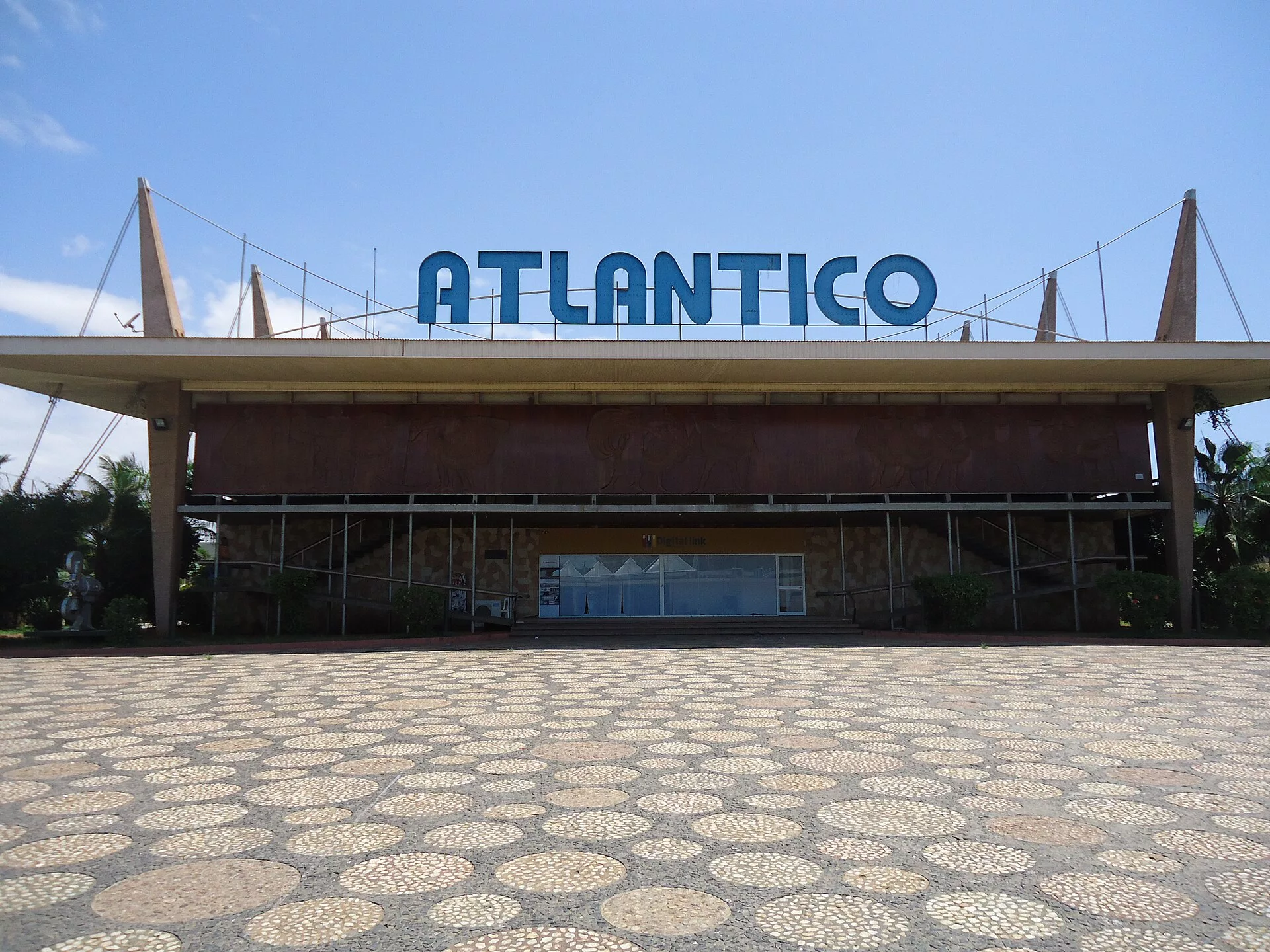
Angola · FILM
Key Facts
- —Dates The Luanda International Film Festival, known as FIC Luanda, runs from 28 October to 2 November 2026, returning after an eleven-year hiatus for its eighth edition.
- —Nigerian strand Nigeria is the festival’s Country of Focus. A Nigerian Panorama curated by the Surreal16 Collective brings ten Nigerian films to Angolan audiences.
- —Competition The Panorama itself is non-competitive, but three of the ten Nigerian films will also screen in the festival’s official competition.
- —Scale The edition is expected to show more than 100 films from over 18 countries across three venues, with screenings open to the public. The full Nigerian selection has yet to be announced.
FIC Luanda will host a Nigerian Panorama of ten films curated by the Surreal16 Collective when it returns this October after eleven years away, with three of them in official competition and one world premiere. It is an unusually direct piece of traffic between Africa’s largest film industry and its Lusophone south.
The Luanda International Film Festival, better known as FIC Luanda, runs from 28 October to 2 November. The 2026 edition is the festival’s eighth, and its first in eleven years.
The revival is part of a broader push to rebuild Angola’s film sector, led by the National Agency for Cultural and Creative Industries, known by its Portuguese acronym ANICC. Cinemas are being rehabilitated, and training is being bundled into the festival itself.
What FIC Luanda is putting on
The edition is expected to screen more than 100 films from over 18 countries across three main venues and five parallel strands, with screenings open to the public. The programme mixes national and international competitions with showcases, roundtables and workshops.
The centrepiece of the international programming is Nigeria, named the festival’s Country of Focus. A Nigerian Panorama of ten films has been curated by the Surreal16 Collective, the Nigerian filmmaking group known for pushing against Nollywood’s commercial conventions.
The showcase is billed as non-competitive, but three of the ten Nigerian films will also screen in the official competition. That is a substantial presence for one country’s cinema at another country’s festival.
Angola’s own national competition has so far received 41 submissions, according to ANICC: 25 short fiction films, nine feature fiction films and seven documentaries.
The films, and why the curator matters
Abba T. Makama, the Surreal16 co-founder and filmmaker who will attend the festival as a special guest, has teased titles including Mami Wata, Eyimofe, About Sarah and Juju Stories. Kewa Oni’s The Odds is set to make its world premiere during the festival, in the international fiction competition.
The full Nigerian selection has yet to be announced, so the named titles are a preview rather than a programme.
The Surreal16 Collective is a deliberate choice rather than a neutral one. Its founders built their reputation on films that reject the melodramatic template that made Nollywood commercially enormous. The Panorama is a curated argument about what Nigerian cinema can be, not a survey of what sells at home.
A world premiere is the more concrete prize. Festivals compete for them, and giving one to Luanda rather than to a European festival is a decision with real signalling value.
Why Lagos and Luanda talking to each other is the story
African film industries have historically reached each other through Paris, London and, increasingly, streaming platforms, rather than directly. Anglophone and Lusophone African cinema in particular have had remarkably little contact.
A Nigerian strand programmed by Nigerian curators for an Angolan state-backed festival cuts out those intermediaries. That is a small structural change and a genuinely unusual one.
Angola has an underdeveloped exhibition sector and a small production base, which is precisely why the festival is bundled with training. Its LUALab development lab offers mentoring and support for emerging film projects.
Nigeria, by contrast, has volume and no shortage of talent; its constraint is distribution beyond its own borders and the diaspora. Each side needs roughly what the other has.
The Atlantic connection this points at
For Rio Times readers, the Luanda–Lagos axis has an obvious extension across the ocean. Brazil shares a language with Angola, a substantial Afro-Atlantic cultural inheritance, and a film sector that has spent decades looking mainly toward Europe and North America.
Lusophone co-production between Brazil, Angola, Mozambique and Portugal has been discussed for years and delivered relatively little. Festivals are where those relationships usually start, because they are cheaper than co-financing.
If Luanda can attract world premieres and curate serious international strands, it becomes a plausible meeting point for that traffic. That is a bigger prize than any single edition.
One practical caveat belongs here. Angola has limited commercial cinema infrastructure outside the capital, so a festival strand is not the same as distribution, and none of these films has announced an Angolan release. That gap is the honest measure of how early this all is.
Frequently Asked Questions
When does FIC Luanda 2026 take place?
The festival runs from 28 October to 2 November 2026 in Luanda. It is the eighth edition, returning after an eleven-year hiatus.
What is the Nigerian Panorama?
It is a strand of ten Nigerian films curated by the Surreal16 Collective, with Nigeria named the festival’s Country of Focus. The showcase is non-competitive, though three of the ten films will also screen in the official competition.
Which films have been named?
Surreal16 co-founder Abba T. Makama has mentioned Mami Wata, Eyimofe, About Sarah and Juju Stories. Kewa Oni’s The Odds is set for its world premiere at the festival. The full selection is still to be announced.
Who organises the festival?
FIC Luanda is an initiative of Angola’s National Agency for Cultural and Creative Industries (ANICC), as part of a wider effort to rebuild the country’s film sector.
What is LUALab?
LUALab is the festival’s film project development lab, offering mentoring and support for emerging projects alongside the screenings.
Connected Coverage
African cinema has been travelling further this year, from a Ghanaian debut winning at Locarno to El Gouna’s opening selection. Angola’s own economy and cultural spending are covered on our Southern Africa hub, alongside the continent-wide picture in Africa: The New Scramble.
Sources
More Africa news: Nigeria | South Africa | Kenya | Egypt | Ghana | Morocco | DR Congo | Angola | Ethiopia | Tanzania
This article was produced by The Rio Times’ automated newsroom system. How we use AI · Report an error · Editorial responsibility: Matthias Camenzind, Editor-in-Chief
Living in or visiting Luanda? See this month's events.