Ethiopia Farm Machinery Drive Pulls in Czech Makers With a Training Project
Ethiopia · Agriculture
Key Facts
- —What happened Czech diplomats toured Ethiopia’s state farm-machinery training centre in Addis Ababa on Friday 18 September 2026.
- —The project behind it Czech aid project AgriMECH-ET, announced on 9 September 2026, will train Ethiopian mechanics on Czech machines until the end of 2028.
- —Why it matters Ministry of Agriculture targets reported by Ecofin Agency call for 65,000 tractors, from about 20,000 active in early 2025.
- —Who else is courting Italy’s McCormick tractors and German development bank KfW are already active, through a local distributor and a leasing programme.
- —The catch The Czech announcement names no budget and no machinery order, so no sales figure is attached yet.
- —What comes next Machines are to be chosen only after a study of what Ethiopian farms and service firms actually need.
Ethiopia still ploughs most of its land with oxen and wants more than three times as many tractors by 2035. The Czech Republic is betting that training mechanics is the way into Ethiopia farm machinery sales.
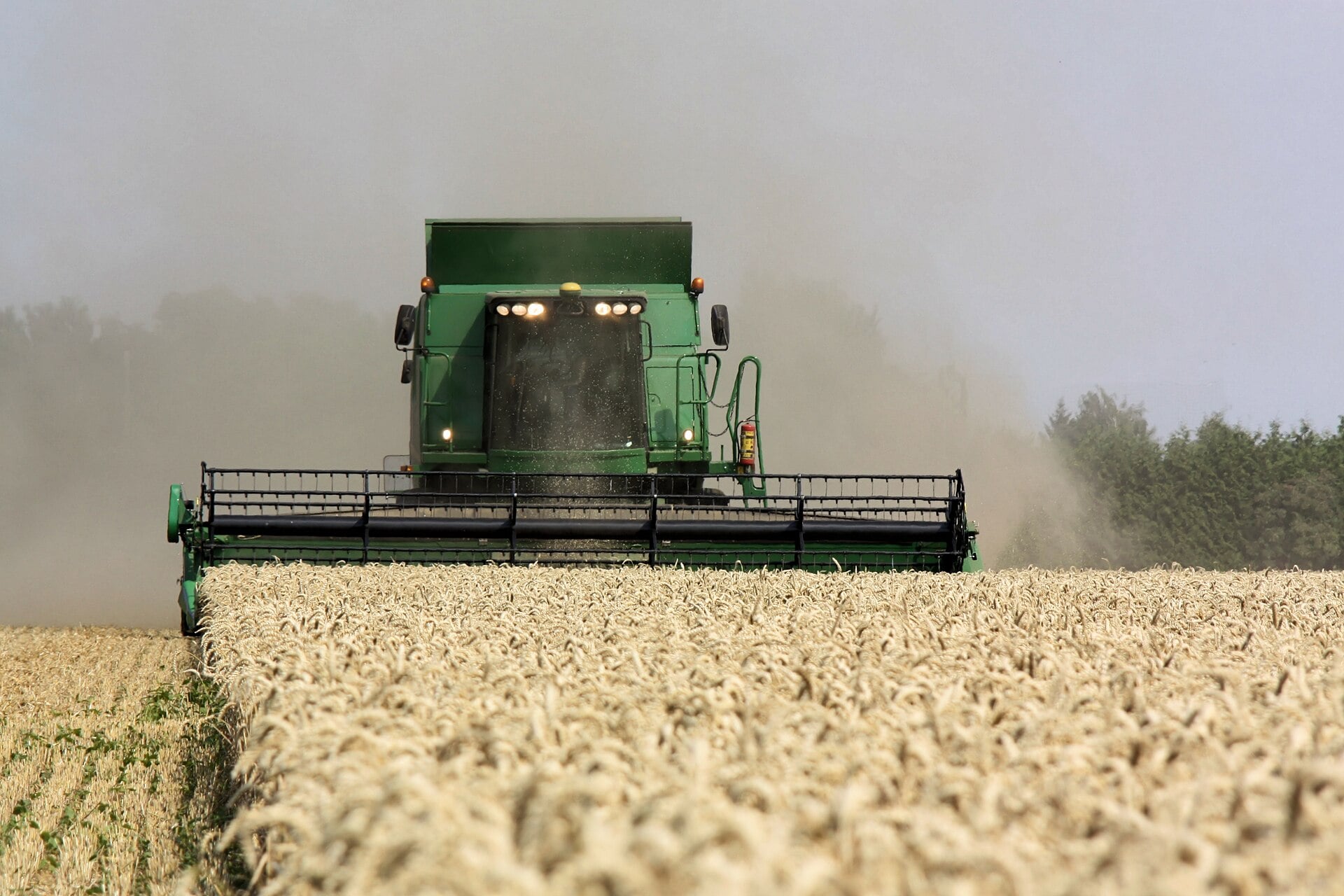
The Czech Republic is making a quiet play for Ethiopia farm machinery sales, and it starts with mechanics rather than tractors. On Friday 18 September 2026, Czech diplomats toured a state training centre for farm machines in Addis Ababa.
The visit came nine days after Prague’s aid agency announced a project to train Ethiopians on Czech equipment until 2028. For Czech manufacturers, the aim is a workforce that already knows their machines.
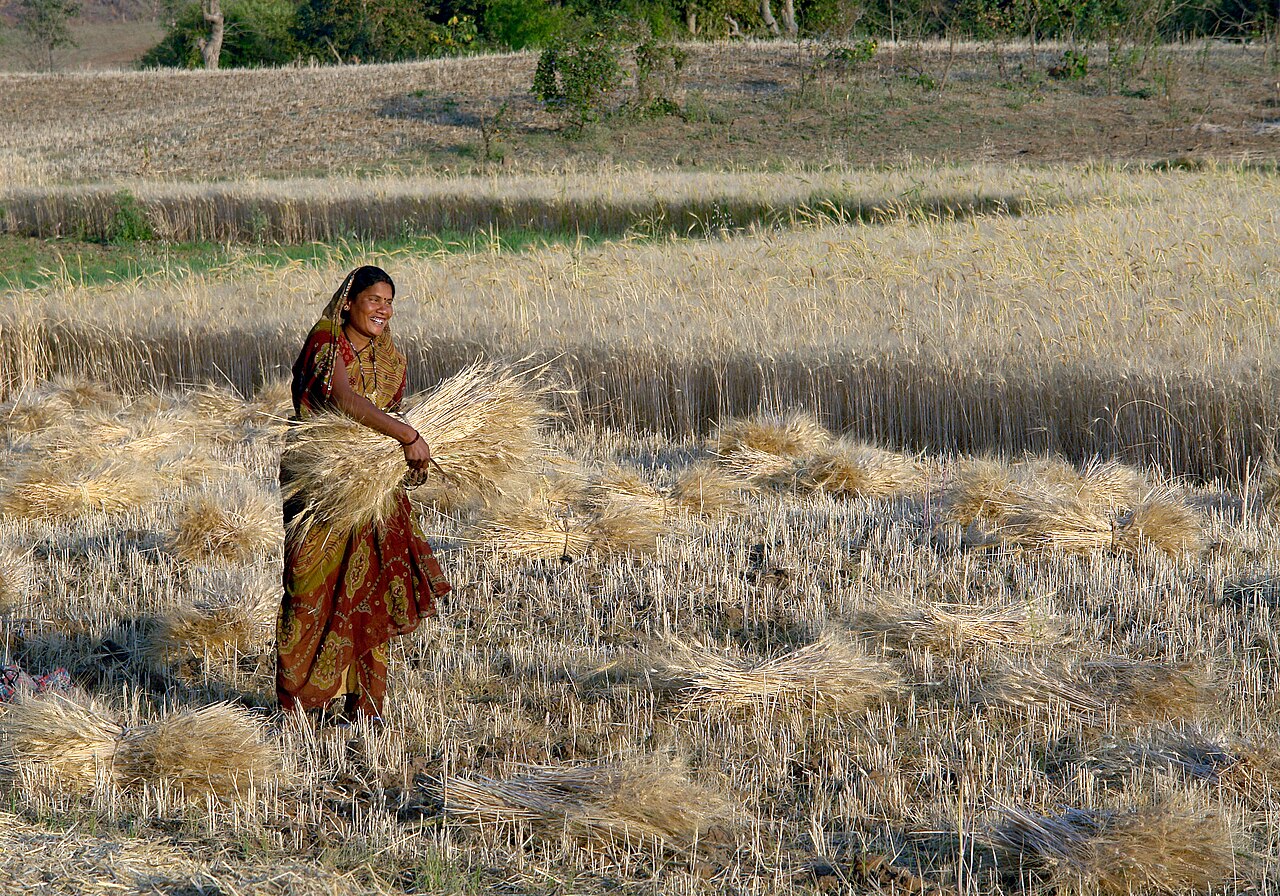
Ethiopia, Africa’s second most populous country, still farms largely with oxen and hand tools. Its government wants to more than triple the number of tractors in use within a decade.
A tour of the Kality centre
The delegation was led by Jan Rouček, named as the Czech Republic’s next ambassador to Ethiopia but still ambassador-designate. It visited the Agricultural Mechanization Center of Excellence in Kality, an industrial district on the southern edge of the capital.
Experts from Ethiopia’s Ministry of Agriculture showed the group workshops, testing and inspection halls, metalworking equipment and training rooms. The embassy described the visit in a note published the same day.
The centre was built with South Korea. According to the Czech embassy, Seoul paid US$14.7 million for it and construction took seven months.
Talks covered training for machine operators and service technicians, equipment demonstrations and maintenance. They also covered links between Ethiopian and Czech colleges and businesses.
Afterwards the embassy sent the centre a catalogue of Czech suppliers. It lists tractor maker Zetor alongside implement makers such as Farmet, Bednař and SMS CZ, and sprayer firm Agrio.
What the Czech project will do
The project is called AgriMECH-ET. The Czech Development Agency, the government body that runs Czech foreign aid, announced it on Wednesday 9 September 2026.
Its main implementer is Caritas Czech Republic, a Catholic aid charity. The Czech association of agricultural and forestry machinery makers will bring in the equipment.
The project has two hubs: the Kality centre and a training centre run by the Ethiopian Agricultural Businesses Corporation. That corporation is a state-owned supplier of farm machinery and inputs.
The plan is to train 80 instructors in operating, servicing, diagnosing and repairing machines. At least 75% of them are expected to show measurable gains in skill.
Three Ethiopian vocational schools will update their courses, and about 240 students are to train on real machines at the two hubs. Before anything is bought, a study will assess what local farms and machinery service firms need.
Michal Minčev, director of the agency, spelled out the commercial logic. “The project will support cooperation with Czech manufacturers, especially in training, maintenance, spare-parts supply and long-term technical backup,” he said.
His statement, issued in Czech, added that specialists trained on Czech machines would create lasting openings for Czech firms. The agency did not give a budget.
Why Ethiopia is shopping for tractors
Ethiopia’s Ministry of Agriculture has published a National Agricultural Mechanization Strategy for 2026 to 2035. It covers machinery research, technical training, testing and certification.
Ministry of Agriculture targets reported by Ecofin Agency, a business news service, aim for 65,000 tractors. The baseline was about 20,000 active tractors at the start of 2025.
The same targets reported by Ecofin foresee combine harvesters rising from 2,700 to 15,000. The ministry’s horizon for both goals is 2035.
Only about 5 million hectares were worked by tractor in 2025, Ecofin reported, roughly 27% of arable land. Farming employs most Ethiopians, so productivity gains matter for food prices and jobs.
In March 2026 the government handed regional states machinery worth 2.32 billion birr (about US$14.4 million). The package included tractors, walking tractors, threshers and solar-powered pumps.
Birr conversions use a rate of 160.876 to the US dollar, the National Bank of Ethiopia’s indicative rate for 22 September 2026. Other conversions use the European Central Bank’s reference rate of 1.1490 dollars per euro on 21 September 2026.
Cheaper imports are not new policy. Ethiopia removed import duties on about 600 types of farm inputs and machinery around 2019, according to the planning ministry in 2023.
The competition from Italy and Germany
The Czechs are not alone.
In December 2025 Italy’s McCormick brand, owned by Argo Tractors, signed an exclusive distribution deal with Kerchanshe Group. Kerchanshe is an Ethiopian conglomerate best known as a large coffee exporter.
In July 2026, Ethiopia’s national chamber of commerce launched a partnership with the Embassy of Italy and the Italian Trade Agency. It aims to connect Ethiopian importers with Italian machinery makers.
The immediate target is EIMA International, a farm-machinery fair in Bologna in November 2026. It is organised by FederUnacoma, the Italian federation of agricultural machinery manufacturers.
Germany uses finance instead, funding a leasing scheme since 2018 through its development bank KfW and the Development Bank of Ethiopia. By November 2022 it had delivered machines worth €13 million (about US$14.9 million).
In October 2024 Ethiopia and KfW signed grant agreements worth €30 million (about US$34.5 million), partly for more mechanisation leasing. Each approach tries to lock in customers early, through dealers, loans or trained mechanics.
What to watch
The Czech bet assumes that trained technicians will later ask for familiar brands and parts. Whether that turns into orders depends on the needs study, and on whether Ethiopian buyers can find the foreign currency.
For Ethiopia farm machinery policy, the test is simpler. A broken machine with nobody to fix it is worth little, and that is the gap the Czech project targets.
More: Africa coverage, every day from The Rio Times.
Frequently Asked Questions
What is AgriMECH-ET?
It is a Czech development project announced by the Czech Development Agency on 9 September 2026. Caritas Czech Republic leads it, with Czech machinery makers supplying equipment. It will train 80 instructors and about 240 students to operate and repair farm machines in Ethiopia. It runs until the end of 2028.
Where is the Kality centre?
The Agricultural Mechanization Center of Excellence is in Kality, on the southern edge of Addis Ababa. It was built with South Korean funding of US$14.7 million, according to the Czech embassy. It tests, inspects and repairs farm machines and trains technicians.
How big is Ethiopia farm machinery demand?
Ministry of Agriculture targets reported by Ecofin Agency call for 65,000 tractors by 2035. The baseline was about 20,000 active tractors at the start of 2025. Combine harvesters are to grow from 2,700 to 15,000. About 27% of arable land was worked by tractor in 2025, Ecofin reported.
Did Ethiopia just cut import taxes on farm machinery?
No. Ethiopia removed import duties on about 600 types of farm inputs and machinery around 2019. The planning ministry described that step in 2023, crediting it with helping to modernise farming.
Sources: Czech Embassy in Addis Ababa on the visit to the Kality centre, Czech Development Agency on the AgriMECH-ET project (in Czech), Czech Development Agency on the reissued grant call, Ecofin Agency on European suppliers and the strategy targets, Ecofin Agency on the March 2026 equipment rollout, African Farming on the McCormick and Kerchanshe deal, Capital on the Italian machinery partnership, Kerchanshe Group company profile, Ethiopian News Agency on the German grants, The Reporter on Ethiopia’s earlier duty exemptions, National Bank of Ethiopia exchange rate
This article was produced by The Rio Times’ automated newsroom system. How we use AI · Report an error
Read More from The Rio Times