Escaping the Crowds: The Booming Business of Private Island Tourism
As the tourism industry grapples with overflowing destinations, it pivots towards the lucrative market of private islands.
During summer in the Northern Hemisphere, the drawbacks of mass tourism become evident.
Cities like Venice, overwhelmed by tourists, now charge day-trippers to manage crowds.
Residents in Spain and Majorca have protested against the surge of visitors, underscoring escalating tensions.
Specialized companies are proposing private islands as an innovative and exclusive solution.
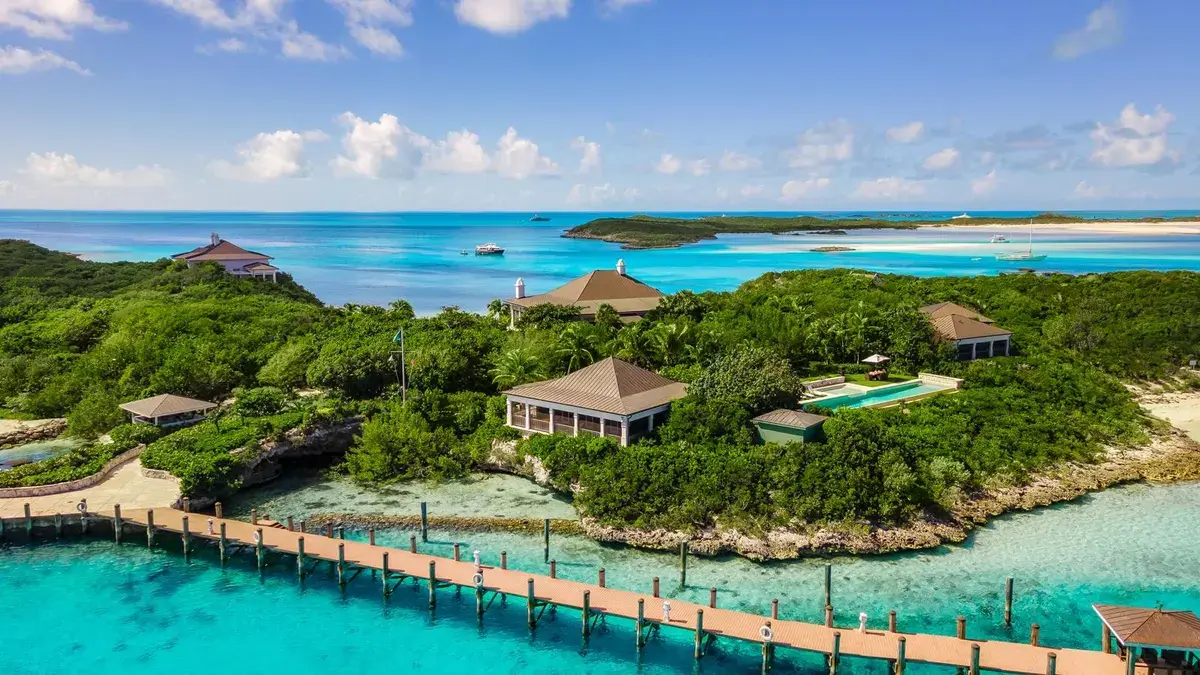
Some Global Platforms for Private Island Hunters
- Private Islands Online: This is a comprehensive marketplace that lists private islands for sale and rent worldwide. It offers a wide range of islands in various locations, including the Caribbean, the Pacific, and Southeast Asia. The platform caters to both buyers and those looking for rental opportunities.
- Vladi Private Islands: Founded by Farhad Vladi, this company has been in the business of selling private islands for over 40 years. It offers a selection of islands for sale and rent across the globe, including in Europe, the Americas, and the South Pacific.
- Sotheby’s International Realty: Known for luxury real estate, Sotheby’s also lists private islands for sale. Their offerings include islands in the Bahamas, the Mediterranean, and other exclusive locations.
- Christie’s International Real Estate: Similar to Sotheby’s, Christie’s provides a platform for buying and selling luxury properties, including private islands. Their listings feature islands in various parts of the world, catering to high-net-worth individuals.
For instance, in Brazil, the opulent Ilha do Japão located in Angra dos Reis, beloved by celebrities such as Bruna Marquezine and Bruno Gagliasso, was on the market a year ago.
Since the pandemic, interest in secluded island getaways has soared, especially in the Caribbean and Central America.
Private island prices vary widely, from as low as $26,000 for a plot in Belize to as high as $160 million for Thailand’s Rangyai Island.
Additionally, owning an island comes with substantial maintenance expenses, such as logistics and staffing.
Not only individuals but also corporations show keen interest in these islands. From cruise operators to hotel chains, industries invest in private destinations.
This strategy benefits them twofold: enhancing guest experiences and consolidating spending.
For instance, Norwegian Cruise Line owns two Caribbean islands, which offer a variety of activities and resort amenities. Similarly, Royal Caribbean has invested $250 million in enhancing its CocoCay island.
Investments in private island resorts have surged. Since 2019, cruise lines have poured at least $1.5 billion into such ventures across the Caribbean. This demonstrates a strong commitment to creating exclusive, controlled vacation spots.
Stacy Fischer-Rosenthal from Fischer Travel notes a continuous rise in private island vacations.
Escaping the Crowds: The Booming Business of Private Island Tourism
These islands promise a luxurious and exclusive setting for discerning clients. The Caribbean, easily reachable by private jet from New York, remains particularly popular for quick, luxurious getaways.
However, island ownership is not without its challenges. Basic services like water, waste management, and emergency medical care can be costly and complex.
Additionally, each island falls under specific national and international laws, adding layers of bureaucracy to ownership.
While private islands offer a retreat from bustling tourist spots, their long-term impact on global tourism and overcrowded cities like Barcelona or Venice is yet to be determined.
As global tourism rebounds, the allure of private islands continues to captivate the imaginations and wallets of travelers worldwide.
This article was produced by The Rio Times’ automated newsroom system. How we use AI · Report an error
Read More from The Rio Times