El Salvador Implements 30% Tax on Foreign-Funded Organizations to Protect National Sovereignty
El Salvador’s Congress approved a new Foreign Agents Law on Tuesday that imposes a 30% tax on transactions from international donors to local organizations.
The legislation, which passed with 57 votes in favor and only three against, aims to regulate what the government describes as “foreign agents” operating within the country.
President Nayib Bukele announced the proposal last week following protests by farming families outside his residence. He claimed these demonstrations were manipulated by “self-proclaimed leftist groups and globalist NGOs” whose primary goal was to attack his government.
The law requires affected organizations to register with a newly established Foreign Agents Registry under the Ministry of Interior. Revenue generated from the tax will fund public interest initiatives and social programs.
Organizations failing to comply face severe penalties, including fines ranging from $100,000 to $250,000 and potential cancellation of their legal status.
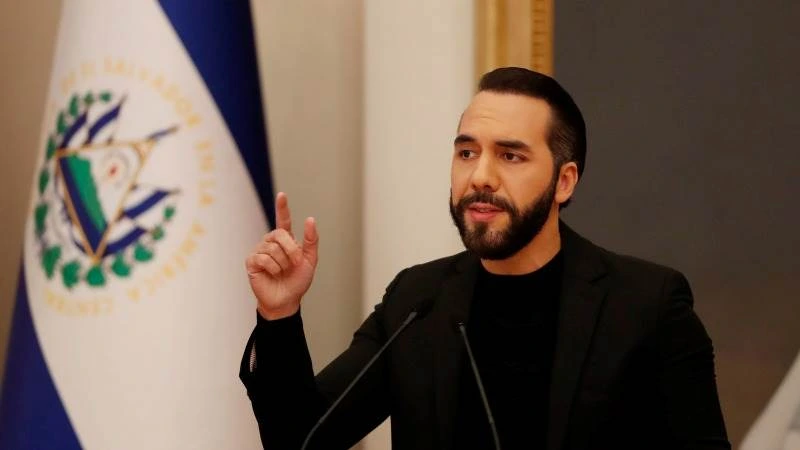
Supporters argue the legislation fills a legal vacuum and protects El Salvador‘s sovereignty from covert external interference. Ruling party lawmaker Suecy Callejas emphasized that the law will increase transparency around how non-governmental organizations operate and influence the country.
El Salvador’s New NGO Registration Law Raises Concerns
The measure exempts diplomatic missions, foreign investment promoters, humanitarian aid agencies, and strictly religious, academic, or scientific organizations. However, the law grants significant discretion to government authorities in determining which entities must register.
This legislation mirrors similar laws in countries like Nicaragua, where thousands of NGOs have been shut down since 2018. Bukele attempted to pass a similar bill in 2021 but withdrew it following international pressure from the United States and European Union.
The timing coincides with Bukele‘s consolidation of power across all branches of government following recent elections. Critics view this as part of a broader pattern of silencing dissent and independent voices in El Salvador.
The law will take effect eight days after its publication in the official government gazette. Proponents believe it represents a necessary step toward protecting national interests and ensuring that foreign-funded activities align with El Salvador’s development priorities rather than external agendas.
More: Latin America news in English, every day from The Rio Times.
This article was produced by The Rio Times’ automated newsroom system. How we use AI · Report an error
Read More from The Rio Times